Wearable Nail Vending Machine: 2026 Profit & Placement Guide
wearable nail vending machine is an emerging niche, with the global vending machine market projected to reach $28.5 billion by 2026, and the nail art segment is growing at 12% annually. These compact, automated kiosks are designed for high-traffic locations like malls, airports, and salons, allowing customers to purchase press-on nails or nail art designs 24/7. They operate via touchscreen selection and contactless payment, offering a hands-off revenue stream for owners.
What Exactly Is a Wearable Nail Vending Machine?
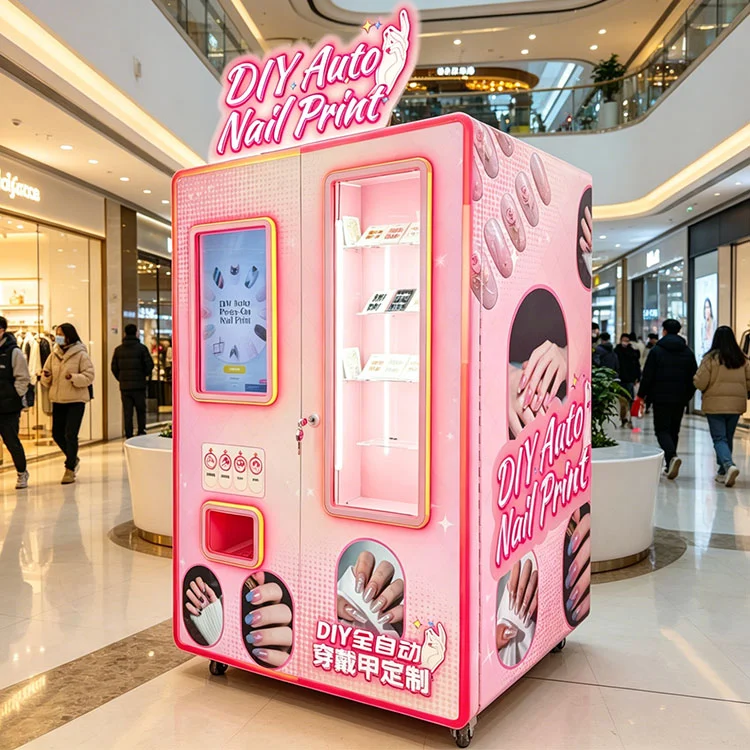
So, you’ve heard the term “wearable nail vending machine,” but what does it actually mean? It’s not about a machine you wear—that would be weird. Instead, it’s a smart, self-service kiosk that stocks and dispenses ready-to-wear nail art. Think of it like a Redbox, but for your fingertips.
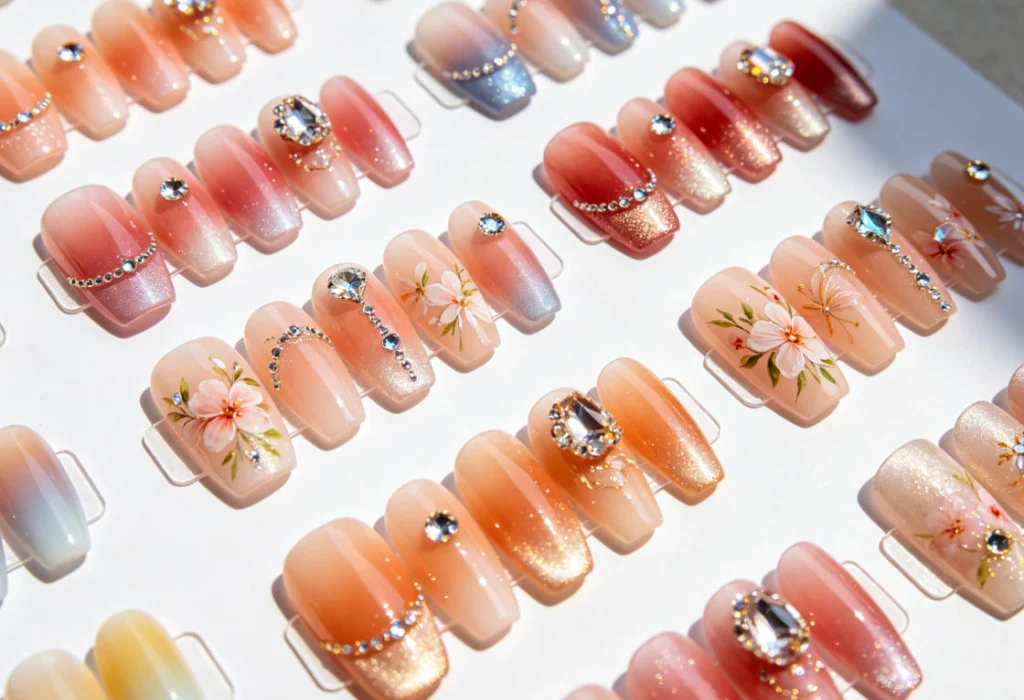
These machines typically hold 100 to 300 units of pre-designed press-on nails, nail wraps, or even DIY nail kits. The customer browses designs on a screen, pays via card or phone, and the machine delivers their selection. For business owners, it’s a low-labor model—no staff needed, just restocking every few days.
The real kicker? They’re small. Most units are about the size of a standard vending machine, making them easy to place in corners of stores or near checkout lines. And with touchless tech becoming the norm, they fit right into the post-pandemic shopping experience.
💡 Key Tip: When scouting locations, focus on spots with high foot traffic but low wait times—like airport gates or nail salon lobbies—to maximize impulse buys.
How Does It Work Under the Hood?
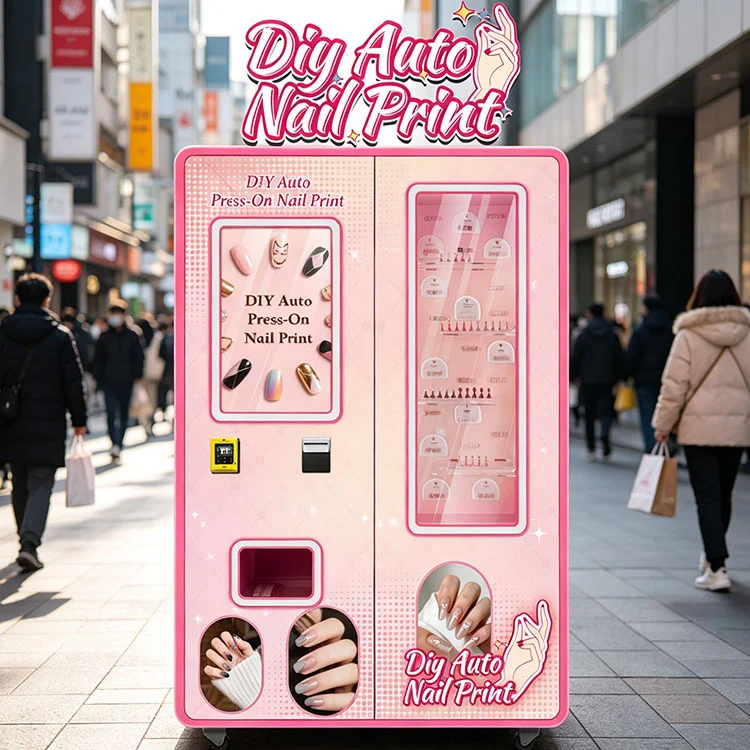
Let’s get into the mechanics. Most wearable nail vending machines use a carousel or spiral dispensing system, similar to snack machines, but with softer grips to avoid damaging the delicate nail products. The technology behind them has come a long way.
Here’s a breakdown of the typical components:
ComponentFunctionWhy It MattersTouchscreen InterfaceDisplays designs and processes paymentsUser-friendly design reduces purchase frictionInventory CarouselStores and rotates nail product traysPrevents product jams and ensures smooth dispensingPayment SystemAccepts cards, mobile wallets, and cashExpands customer base with multiple optionsClimate ControlMaintains temperature and humidityPrevents nail glue from drying out or designs fadingRemote MonitoringTracks sales and inventory in real-timeLets you restock only when needed, saving time
For operators, the remote monitoring feature is a game-changer. You can check sales data from your phone, get alerts when a product runs low, and even adjust pricing on the fly. No more guessing what’s selling—you’ll have hard data.
Where to Place Your Machine for Maximum Profit

Location is everything. You’ve probably heard that a thousand times, but with nail vending, it’s doubly true. These machines thrive on impulse purchases—someone walking by, sees a cute nail design, and buys it in under a minute.
Top-performing spots include:
- Shopping malls – near food courts or restrooms, where people linger
- Airports – travelers love quick, fun purchases before a flight
- Nail salons – customers waiting for appointments are a captive audience
- College campuses – students are always looking for affordable style
- Train stations – commuters with a few minutes to spare
But here’s the catch: rent costs vary wildly. A mall kiosk spot might run $500–$2,000 per month, while a salon corner could be just $100–$300. You’ve got to balance foot traffic with overhead.
💡 Practical Advice: Start with a low-rent, medium-traffic location for your first machine. Once you’ve proven the model, scale to pricier spots. It’s less risky.
Profitability: What You Can Really Expect

Let’s talk numbers. A typical press-on nail set sells for $8–$15 at retail. Assuming you sell 10–20 sets per day, that’s $80–$300 in daily revenue. On the high end, that’s $9,000 per month. But that’s before costs.
Here’s a realistic profit breakdown for a single machine:
ItemMonthly Cost/RevenueNotesGross Revenue (avg 15 sales/day at $10)$4,500Based on moderate trafficProduct Cost (wholesale)-$1,35030% of retail priceLocation Rent-$500Average for a mid-tier spotElectricity & Maintenance-$150Low for vending machinesPayment Processing Fees-$1353% of transactionsNet Monthly Profit$2,365Before taxes
Of course, these numbers can swing. In a high-traffic airport, you might triple sales. In a slow location, you might break even. The key is testing and optimizing.
💡 Critical Info: Don’t forget to factor in machine depreciation. A good unit lasts 5–7 years, so spread that cost over its lifespan when calculating your real ROI.
Choosing the Right Supplier: What to Look For
Not all suppliers are created equal. When you’re dropping $5,000–$15,000 on a machine, you want reliability. Here’s what separates the pros from the amateurs.
First, check certifications. A reputable manufacturer will have CE, UKCA, and RoHS certifications, ensuring the machine meets safety and quality standards. At Wider Matrix, we’ve been in the automation game since 2016, and we’ve shipped over 3,000 machines to 130+ countries. That experience matters—we’ve seen what works and what breaks.
Second, look at customization. Can they tailor the machine to your brand? Some suppliers offer custom software for unique payment systems or design interfaces. We specialize in that—mixing hardware and software to fit your exact needs.
Third, consider supply chain support. A supplier with deep sourcing experience can help you find the best components at lower costs. Our team has years of supply chain know-how, which means we can offer competitive pricing without cutting corners.
💡 Heads Up: Avoid suppliers who can’t provide clear warranty terms or after-sales support. A machine that breaks down without service will eat your profits fast.
Common Mistakes to Avoid
I’ve seen plenty of new operators trip up on these. Don’t be one of them.
- Ignoring product variety – If you only stock one style, customers get bored. Rotate designs monthly.
- Skipping location research – Placing a machine in a dead zone is a waste. Watch foot traffic patterns for a week before committing.
- Underpricing – You’re selling convenience and art. $8 is fine; don’t go lower unless you’re running a promotion.
- Neglecting maintenance – A jammed machine loses sales and trust. Clean and test it weekly.
One more thing: don’t expect overnight riches. This is a passive income stream, not a lottery ticket. It takes 3–6 months to optimize a location and see consistent profits.
💡 Key Takeaway: Start with one machine, learn the ropes, and reinvest profits into a second unit. Scaling too fast is a common mistake that leads to burnout.
FAQ: Wearable Nail Vending Machine Questions Answered
1. How much does a wearable nail vending machine cost?
Prices range from $5,000 for a basic model to $15,000 for a high-end unit with climate control and remote monitoring. The average is around $8,000–$10,000. Check out our detailed cost and ROI guide for a full breakdown.
2. Can I customize the nail designs sold in the machine?
Absolutely. Most machines let you upload your own designs or partner with local nail artists. Some suppliers, like us, offer custom software to manage design rotations remotely.
3. How often do I need to restock?
It depends on sales volume. A busy machine might need restocking every 2–3 days, while a slower one can go a week. Remote monitoring tools alert you when inventory is low.
4. What payment methods do these machines accept?
Most modern units accept credit/debit cards, Apple Pay, Google Pay, and sometimes cash. Contactless is becoming standard, especially post-pandemic.
5. Is a wearable nail vending machine profitable?
Yes, with the right location. Average monthly profits range from $1,500 to $3,000 per machine after costs. High-traffic spots can double that. See real profit data in our monthly earnings analysis.
6. Do I need a special license to operate one?
In most places, no. But some cities require a vending permit or business license. Check with your local chamber of commerce—it’s usually a simple process.
7. What happens if the machine breaks down?
Reputable suppliers offer warranties (1–3 years) and remote diagnostics. We provide 24/7 support and can often fix software issues remotely. For hardware, we ship replacement parts within 48 hours.
8. Can I run multiple machines at once?
Yes, and that’s where the real money is. Many operators start with one, then scale to 5–10 machines across different locations. Remote monitoring makes managing a fleet manageable.
Expert Quote
“In the vending machine industry, equipment stability and supply chain management are keys to success. We’ve seen many entrepreneurs struggle with frequent repairs due to low-quality equipment, ultimately affecting profitability. Choosing suppliers with international certifications and comprehensive after-sales service may cost more initially, but significantly reduces operating costs in the long run. At Wider Matrix, our machines are certified to CE, UKCA, RoHS, and more—because we know that reliability builds trust with both operators and their customers.”
— James Chen, Senior Automation Industry Consultant