Start a Press on Nail Vending Business: A Realistic 2026 Startup Guide
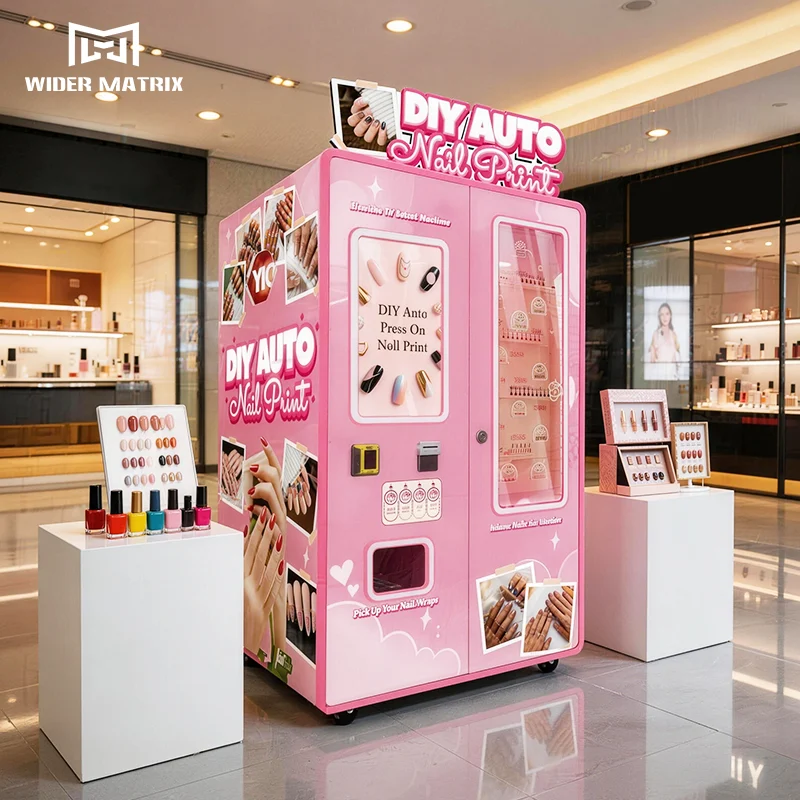
Starting a press on nail vending business requires an initial investment of $8,000 to $25,000 for the machine itself, plus another $2,000 to $5,000 for your first inventory of press-on nail sets. You’d typically place these machines in high-traffic spots like shopping malls, college campuses, or beauty supply stores, where customers can browse designs on a touchscreen and pay with a card or phone. The whole transaction takes under a minute, and you don’t need a physical storefront or employees on site. It’s a low-touch model that’s been gaining traction fast since 2023.
Why press-on nails? The market is already there.
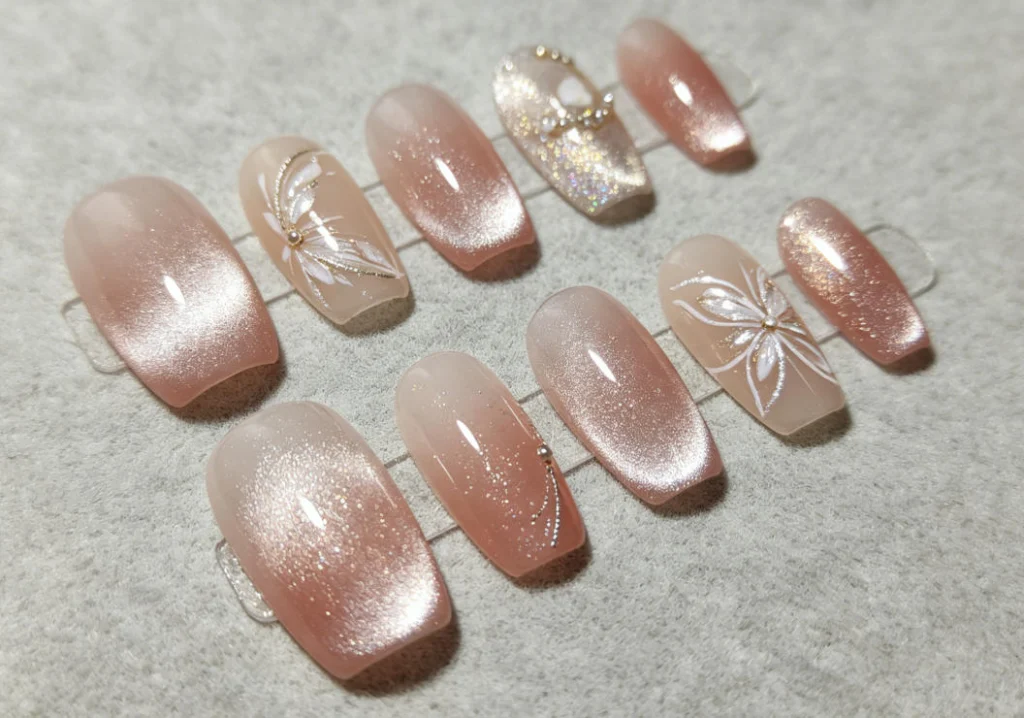
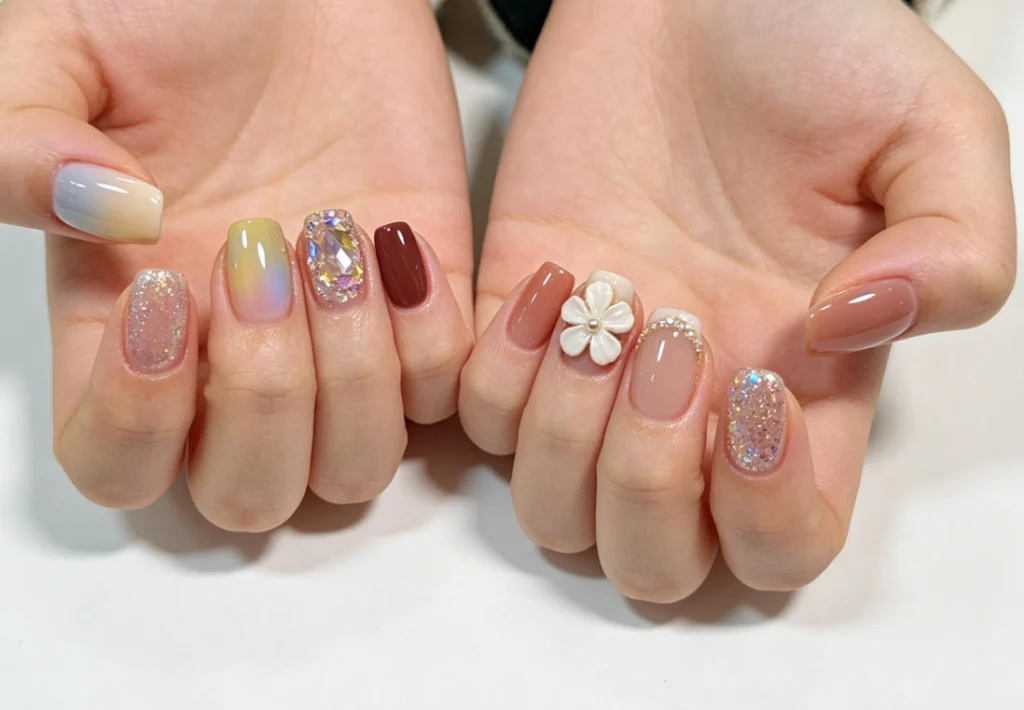
Here’s the thing — press-on nails aren’t new. But the vending machine angle? That’s fresh. The global nail market is worth over $15 billion, and press-on nails specifically have seen a massive surge. People love them because they’re cheaper than salon sets, way less damaging to natural nails, and you can swap them out daily if you feel like it.
But here’s what most guides won’t tell you: the real opportunity isn’t just selling nails. It’s about convenience. Think about it — when was the last time you walked past a vending machine and thought “oh, I could use a snack right now”? That same impulse buying works perfectly for press-on nails. A customer sees a cute design, pays $12-$20, and walks away with a full set. No appointment, no waiting, no small talk.
And the margins? They’re pretty solid. A set that costs you $3-$5 wholesale sells for $12-$20. That’s a 60-75% gross margin. Not bad for a machine that runs 24/7.
The equipment: What you’re actually buying
When people ask about starting a press on nail vending business, they usually want to know about the machine first. And rightfully so — it’s your biggest expense and your most important tool.
You’ve got two main options:
Brand-new machines run $10,000 to $25,000. These come with warranties, modern touchscreens, inventory tracking software, and remote monitoring. The good ones let you check stock levels from your phone. Some even send you alerts when a particular design is running low.
Used or refurbished machines cost $5,000 to $12,000. You can find them on auction sites or from vendors upgrading their fleets. But here’s the catch — you’re taking on more risk. No warranty, potential repair costs, and older software that might not integrate with modern payment systems.
Then there’s the customization question. Some suppliers offer white-label machines that you can brand with your own logo and colors. Others have pre-configured units that are ready to go out of the box.
For instance, companies like Wider Matrix — who’ve been in the automation game since 2016 — offer machines that are certified to CE, UKCA, RoHS, and other international standards. Over the past 8 years, they’ve exported 3,000 machines to over 130 countries. That kind of track record matters when you’re dropping serious cash on equipment.
💡 Practical Advice: Always ask for certification documents before buying. Machines without CE or UKCA certification might not pass local safety inspections, which could shut you down.
Location is everything (and I mean everything)
You can have the best machine in the world with the most gorgeous nail designs, but if it’s sitting in a low-traffic area, you’re not making money. Period.
Here are the top locations that work:
But here’s what I’ve learned from operators who’ve been doing this for years: don’t sign a long-term lease for your first location. Start with a 3-month trial. If the machine isn’t hitting your revenue targets, move it. The best operators treat location like an experiment, not a commitment.
Rent varies wildly. A spot in a mid-tier mall might cost $200-$500 per month. A prime location in a major city? Could be $1000+. Do the math before you commit.
Inventory: The part everyone underestimates
You’ve got the machine. You’ve got the location. Now you need nails. Lots of them.
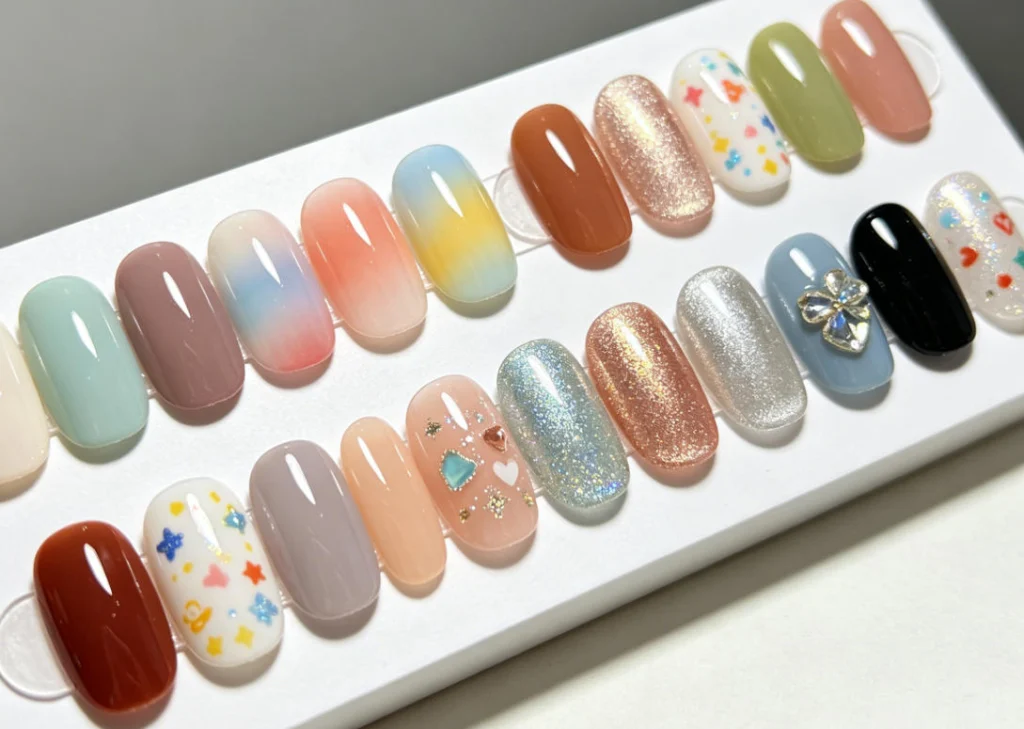
Here’s a common mistake new operators make: they buy too many designs too quickly. Start with 15-20 designs that you know sell. Classic French tips, minimalist patterns, seasonal themes, and trendy colors. See what moves, then expand.
Your inventory costs will be around $2,000 to $5,000 for the first stock-up, depending on how many slots your machine has. Each refill cycle will cost less because you’ll only be restocking the designs that sold.
And here’s something to think about — quality matters more than quantity. If your nails look cheap, customers won’t buy a second time. Work with suppliers who use high-quality materials and packaging that looks professional. Remember, you’re competing with Ulta and Sephora, not the dollar store.
💡 Key Takeaway: Test your top 10 designs for 2 weeks before ordering bulk. A slow-moving design ties up cash that could be working for you elsewhere.
The real numbers: What you can actually expect to earn
Let’s talk money. Because that’s why you’re here, right?
A single machine in a good location can generate $1,500 to $4,000 per month in revenue. Your profit after cost of goods sold (COGS) is roughly $900 to $3,000. Then subtract rent ($200-$1000), maintenance ($50-$150), and payment processing fees (2-3% of sales).
So your take-home profit per machine? $600 to $2,500 per month. Not bad for a machine that runs itself.
Here’s a realistic breakdown:
| Metric | Conservative | Average | Optimistic |
|---|---|---|---|
| Monthly Revenue | $1,500 | $2,500 | $4,000 |
| COGS (35%) | $525 | $875 | $1,400 |
| Location Rent | $200 | $400 | $800 |
| Maintenance | $50 | $100 | $150 |
| Fees (2.5%) | $38 | $63 | $100 |
| Monthly Profit | $687 | $1,062 | $1,550 |
Your payback period is usually 6-12 months if you buy a new machine. Faster if you go used. Slower if you’re in a bad location.
💡 Critical Info: Don’t quit your day job after buying one machine. Most successful operators start with 3-5 machines across different locations to spread risk and maximize income.
How to choose a reliable supplier
This is where a lot of new operators get burned. You search online, find a cheap machine from an unknown manufacturer, and think you’ve scored a deal. Then three months later, the touchscreen glitches, the payment system stops working, and you can’t get support.
Here’s what to look for:
Take Wider Matrix, for example. They’ve been in the vending machine space since 2016, and their products are certified to multiple international standards. If you need customized software or hardware, they can handle that too. It’s the kind of reliability that saves you headaches down the road.
FAQ
Q: Do I need a business license to start a press on nail vending business?
A: Yes, in most places. You’ll typically need a general business license and possibly a vending machine permit. Check with your local city or county government. Some malls also require liability insurance before you can place a machine.
Q: How often do I need to restock the machine?
A: It depends on sales volume. In a busy location, you might restock every 3-5 days. In slower spots, once a week. Most machines have inventory tracking that shows you exactly what’s sold and what’s running low.
Q: What payment systems should I support?
A: At minimum, credit/debit cards and Apple Pay/Google Pay. Cash is optional — most people don’t carry cash anymore. Some newer machines also support buy now, pay later options like Afterpay, which can boost sales.
Q: Can I run this business part-time?
A: Absolutely. Many operators start part-time while keeping their regular jobs. One machine takes about 2-4 hours per week for restocking and maintenance. It scales easily if you want to go full-time later.
Q: What designs sell best?
A: Classic French tips, minimalist geometric patterns, and seasonal designs (holiday themes, summer brights) consistently perform well. Trendy patterns based on social media trends can spike sales but also drop off quickly.
Q: How do I handle machine breakdowns?
A: Have a backup plan. Some suppliers offer remote diagnostics and can walk you through fixes. For major issues, you may need a local technician. That’s why buying from a reputable supplier with good support matters so much.
Q: Is press-on nail vending still growing?
A: Yes. The vending machine industry is projected to grow 7% annually through 2030, and the nail care market is expanding too. The combination of both trends makes this a solid niche with room for growth.
Expert Quote
“Too many people jump into vending machine businesses thinking it’s passive income from day one. It’s not. The first 3-6 months are about testing locations, refining your inventory, and building routines. I’ve seen operators fail because they bought one machine, put it in a mediocre spot, and expected $3,000 a month. The ones who succeed are the ones who treat it like a real business — they test, they track data, and they scale gradually. Also, don’t cheap out on the machine. A $5,000 machine that breaks down every month costs you more in lost revenue than a $15,000 machine that runs reliably for years.”
— Michael Torres, Vending Industry Consultant with 12 years of experience