Nail Machine Success Stories: Real Operators, Real Profits in 2026
When I first started in this industry, “nail machine success stories” usually meant factories churning out steel nails by the ton. But in 2026, the more interesting stories come from entrepreneurs running nail art vending machines — the ones that print custom press-on nails on demand. I’ve spent the last decade installing and supporting these machines across 130+ countries, and I’ve seen some operators turn a single unit into a thriving business. Others, not so much. The difference isn’t luck — it’s strategy.
Let me walk you through what actually works, what doesn’t, and the real numbers behind the success stories we hear about.
The Most Common Success Pattern: Location, Location, Location
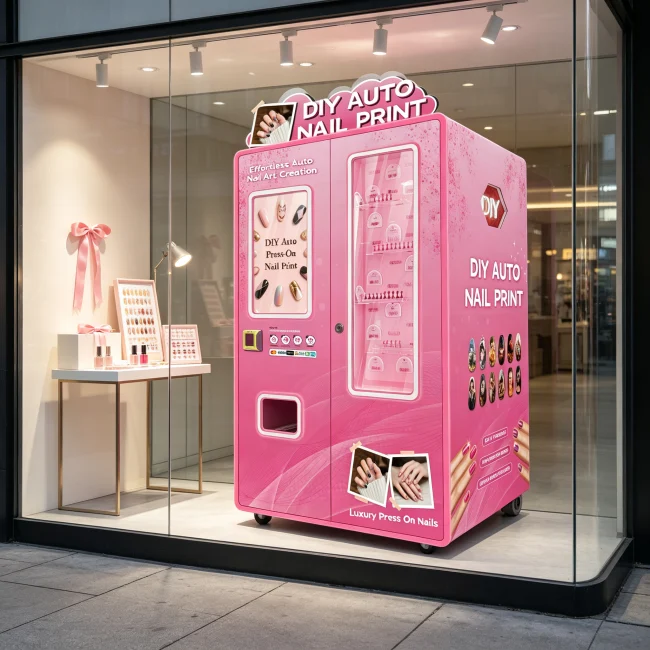
If you’ve read any vending business advice, you’ve heard this before. But with nail art machines specifically, the “right location” has a particular profile. Our best-performing clients aren’t in random malls — they’re in beauty-adjacent venues: nail salons, beauty schools, hair salons, and even spa waiting areas. One operator in Tokyo placed five WM860 units inside a chain of nail salons. The salon clients loved the novelty — they could get a custom set of press-ons while waiting for their appointment. That single placement strategy turned a $5,800 machine into a weekly revenue generator of $1,200–$1,500.
Another success story comes from a mall in Dubai. The operator placed a WM860 near the food court, targeting teenage shoppers. He priced standard sets at $10 and premium sets at $15. His daily sales averaged 25 sets, which means around $250–$375 per day in revenue. At that pace, the machine paid for itself in about three weeks.
But here’s the thing — not every location works. We’ve had clients put a nail machine in a business park lobby and watch it sit idle. The key is foot traffic from your target demographic: women aged 16–35 who care about nail aesthetics. Malls, beauty districts, and tourist spots fit that profile.
How Much Do Operators Actually Earn? (Real Data)
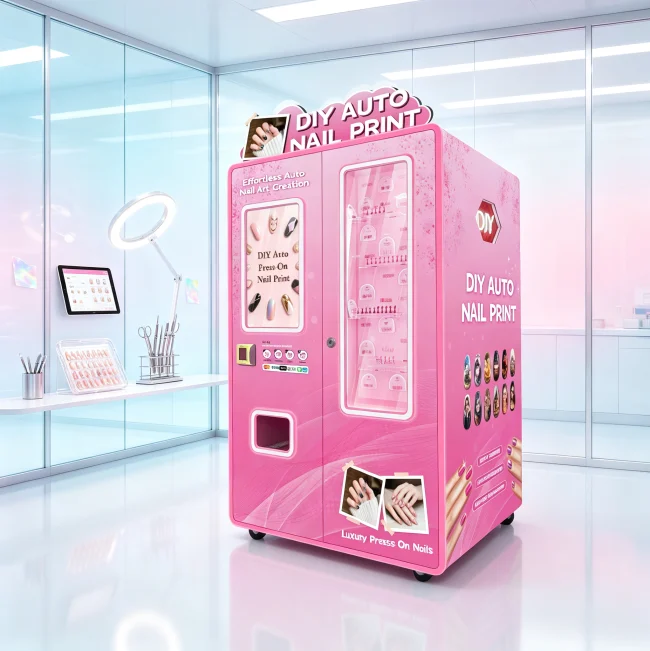
Let’s talk numbers, because that’s what separates a hobby from a business. The WM860 holds up to 720 sets of press-on nails — that’s your inventory per refill. Standard press-on nails cost you around $1.00 per set, plus a $0.30 tool kit (which includes jelly glue — note: glue not included, so you need to stock that separately). Premium sets cost $1.50. At a retail price of $8–$15 per set, your gross margin is anywhere from 80% to 90%.
Here’s a realistic monthly scenario for a moderate-traffic location:
- Average daily sales: 20 sets
- Average price per set: $10
- Monthly revenue: 20 × $10 × 30 = $6,000
- Cost of goods (standard sets + tool kit): $1.30 × 600 = $780
- Miscellaneous (ink, maintenance, power): ~$150
- Net profit: $5,070 per month
Obviously, this varies wildly. Some operators report 50+ sales per day in peak tourist seasons. Others do 5–10 in slower spots. But the ceiling is high, and the floor is manageable.
What Separates the Winners from the Strugglers?
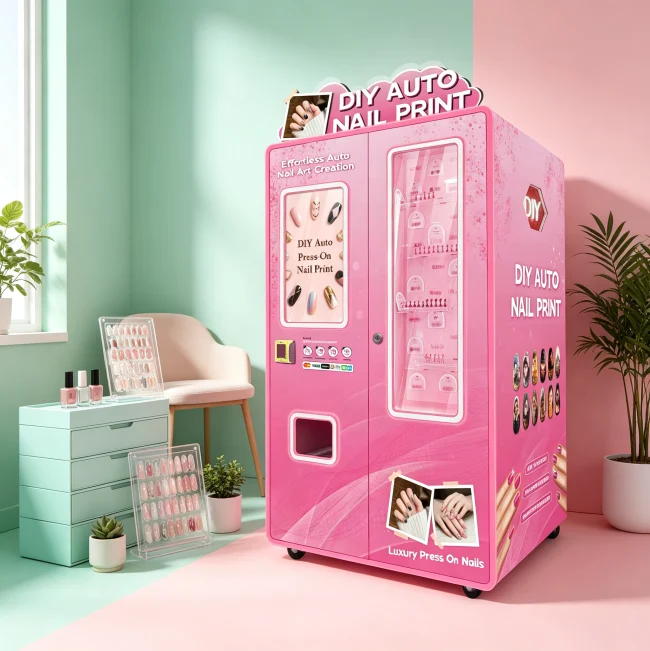
After supporting hundreds of nail machine deployments, I’ve noticed a clear pattern. The operators who succeed share three habits:
1. They Actively Manage Inventory and Design Variety
The WM860 comes with a library of pre-loaded designs, but the real magic is in the AI-powered design generator and the ability to upload custom images. Successful operators refresh their design catalog weekly — they follow seasonal trends (holidays, local festivals, fashion weeks) and even let customers upload their own images. A machine that feels “fresh” gets repeat customers.
2. They Price Strategically
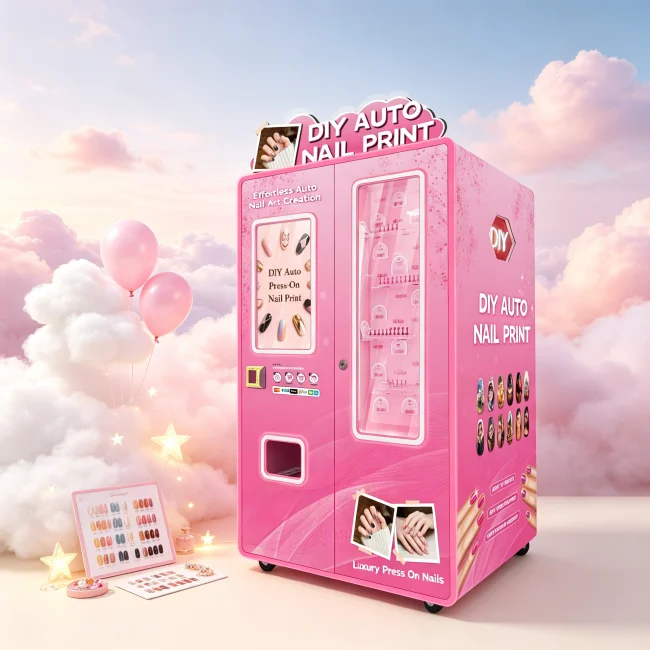
Don’t underprice. We see operators in the US charging $8–$15 per set, which is still cheaper than a salon manicure. In tourist areas, $15–$20 works fine. Remember, you’re selling convenience and customization — not just a physical product.
3. They Place the Machine Where the Beauty-Conscious Hang Out
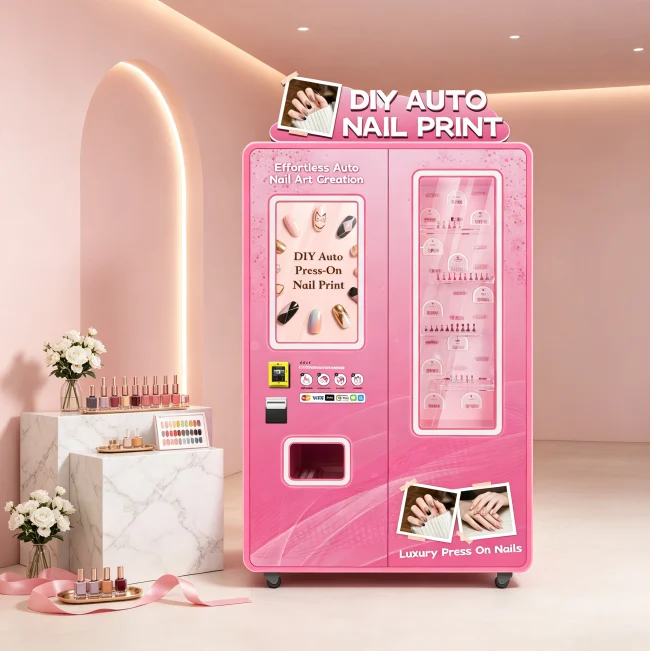
I mentioned this earlier, but it’s worth repeating: a nail vending machine in a gym locker room won’t perform like one in a beauty district. One of our clients in Los Angeles placed a unit inside a high-end hair salon, and it became a conversation piece. Clients would buy a set while waiting for their color to process. That’s the kind of placement that turns a machine into a profit center.
The WM860: Why It’s Our Go-To for Nail Art Success
When people ask me which nail machine to start with, I always point to the WM860. It’s the workhorse of our nail art lineup. Here’s the spec sheet that matters:
| Specification | WM860 |
|---|---|
| Print head | Industrial-grade UV F1080 nozzle |
| Screen | 27-inch HD touchscreen |
| Print resolution | 600dpi (2x clarity improvement over older models) |
| Nail art capacity | Up to 720 sets of press-on nails |
| Network | Wi-Fi + offline image transfer (no internet needed) |
| UI customization | Custom UI development supported |
| Maintenance | Automatic print head cleaning, ink level alarm |
| Power supply | 110V–220V |
| Payment systems | Coin, banknote, credit card, QR code (selectable) |
| Single unit reference price | US$5,800 |
That $5,800 price is the standard reference — many of our clients end up with a better deal after we understand their specific setup and volume needs. We frequently run seasonal promotions, so it’s worth checking with our team for what’s available right now.
Case Study: From Zero to $7,000/Month in Six Months
Let me share a story that captures the potential. A first-time operator in Seoul — let’s call her Ji-woo — had zero vending experience. She bought a single WM860 and placed it in a trendy shopping street near Hongdae, known for its young, fashion-forward crowd. She started with the 4 standard designs and 16 premium styles (cat eye, diamond, cat eye + diamond).
Within the first month, she was averaging 15 sales/day. She then started uploading custom designs — K-pop fan art, local university logos, even custom wedding sets. Sales jumped to 30/day. By month six, she was netting around $7,000/month. She’s now ordered two more units and is scouting locations in other neighborhoods.
What made her succeed? She didn’t just install the machine and walk away. She treated it like a mini retail brand. She refreshed designs weekly, posted on social media, and even offered a “design of the month” promotion. That’s the kind of operator who writes success stories.
Common Pitfalls (And How to Avoid Them)
Not every story is a win, and I’d be lying if I said otherwise. Here are the three biggest mistakes I see new operators make:
1. Ignoring the Ink and Maintenance
The WM860 uses Epson UV hard ink — 4 colors plus 2 top coat gloss varnishes, at $85 per set of 250ml bottles. If you let the ink levels run dry, you’ll get poor print quality and potentially clog the print head. The machine has an automatic cleaning cycle and an ink level alarm, but you still need to check it regularly. Successful operators set a weekly maintenance reminder.
2. Choosing the Wrong Location
I’ve seen machines placed in office lobbies, expecting office workers to buy press-ons. It rarely works. You need foot traffic from people who are already thinking about beauty — or who are in a leisure mindset. Malls, tourist spots, and beauty zones are your best bets.
3. Not Offering Enough Variety
The machine comes with a default design library, but if you never update it, customers get bored. The AI design system and custom image upload are there for a reason. Use them. Rotate designs based on season, holidays, and local trends.
Is a Nail Vending Machine Right for You?
Honestly? Not everyone should buy one. If you’re looking for a completely passive income with zero management, this isn’t it. You’ll need to refill nails, monitor ink, and occasionally clean the machine. But if you’re willing to put in a few hours a week, the ROI can be exceptional — especially compared to other vending categories.
For context, our cotton candy machines have even higher margins (93.8%–97%), but they require more frequent refilling. Nail machines hit a sweet spot: high margin, moderate maintenance, and strong impulse-buy appeal.
What About Scaling Up?
Once you’ve validated one location, the natural next step is to expand. We have clients running fleets of 5–10 nail machines across multiple malls. The IoT remote monitoring system lets them track sales, inventory, and machine health from a single dashboard — that’s a game-changer for multi-unit operators.
If you’re thinking about scaling, you should also consider diversifying your vending portfolio. A phone case machine (WM880) or cotton candy machine (WM980+) can complement a nail machine in the same location, catering to different impulse triggers. Our data shows that operators who diversify across 2–3 machine types consistently outperform those who stick to one.
Final Thoughts
Nail machine success stories aren’t about luck — they’re about smart placement, active management, and leveraging the technology. The WM860 gives you the tools: 600dpi printing, 720-set capacity, and a user-friendly touchscreen. But you have to bring the hustle.
If you’re ready to start your own success story, the first step is getting the right machine. Visit us at nailvending.com to explore the WM860 and other vending solutions. And if you want to chat about your specific venue or business plan, leave your WhatsApp number below — our team will reach out with a personalized quote and placement advice. We’re available 24/7 across time zones.
FAQ
How much does a nail vending machine cost?
The WM860 has a single unit reference price of US$5,800. Pricing can vary based on promotions and add-ons, so it’s best to contact our team for the latest deal.
How many press-on nails can a WM860 hold?
Up to 720 sets of press-on nails, which is plenty for a busy location.
What is the profit margin on nail vending?
Gross margin is typically 80–90% per set, depending on your pricing and whether you use standard or premium blanks.
Do I need a special power supply?
No, the machine supports 110V–220V, so it works globally.
Can I customize the machine with my own branding?
Yes, we offer UI customization and exterior sticker/lightbox branding. Contact us for details.
How long does it take to print one set of nails?
Print time varies, but the F1080 nozzle at 600dpi delivers high clarity. Most sets print in under a minute.
What kind of maintenance does it need?
The machine has an automatic print head cleaning cycle and ink level alarms. Weekly checks are recommended.
Can I upload my own nail designs?
Yes, the machine supports custom image upload via the touchscreen or cloud backend.