Nail Design Vending Machine: The 2026 Ultimate Guide to Profit & Models
The nail design vending machine has exploded from a viral social media trend into a serious business opportunity. As of 2026, these high-tech kiosks are transforming malls, airports, and entertainment venues, offering on-demand, customized nail art in minutes. But beyond the captivating TikTok videos lies a critical question for entrepreneurs and retailers: Is this a profitable investment, and how do you navigate the market to find the right machine and business model? This definitive guide moves past basic product listings to provide the comprehensive commercial analysis, operational insights, and real-world data you need to make an informed decision.
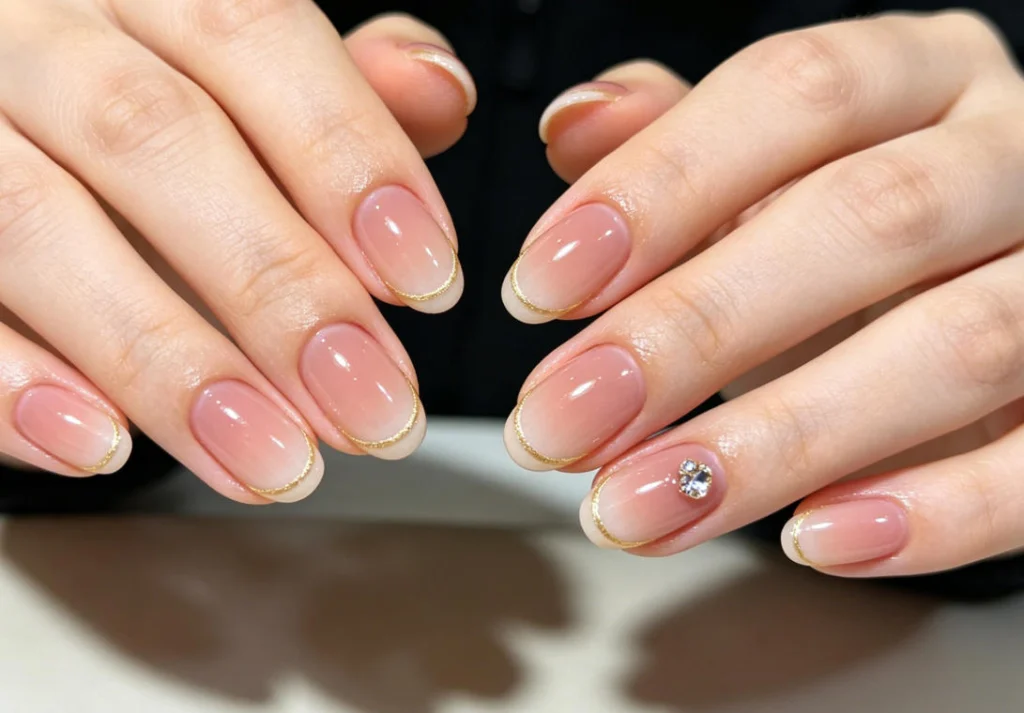
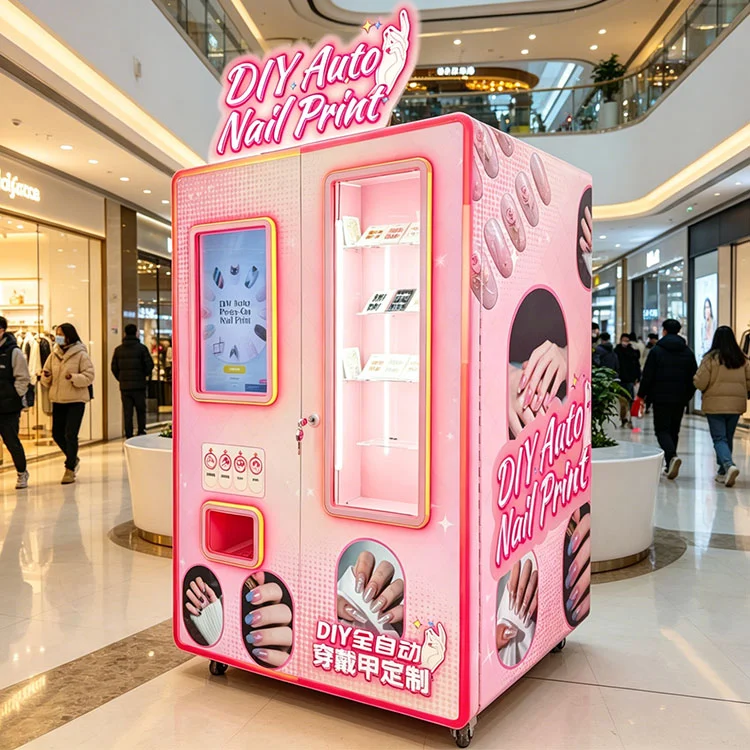
A nail design vending machine is a self-service kiosk that allows customers to select and instantly print custom designs onto press-on nail sets. The core technology involves industrial-grade UV printing. A customer uses a large touchscreen to choose from hundreds of pre-loaded designs or upload their own image, pays via card/tap/coin, and the machine automatically prints and UV-cures the design onto a blank nail set in 30-60 seconds. The customer receives a complete kit with nails, adhesive, and a filing tool. The appeal is a blend of instant gratification, personalization, and a novel retail experience that drives social sharing. For operators, it represents a 24/7, low-labor business with high perceived value.
The Business Model Deep Dive: Revenue, Costs & Profitability
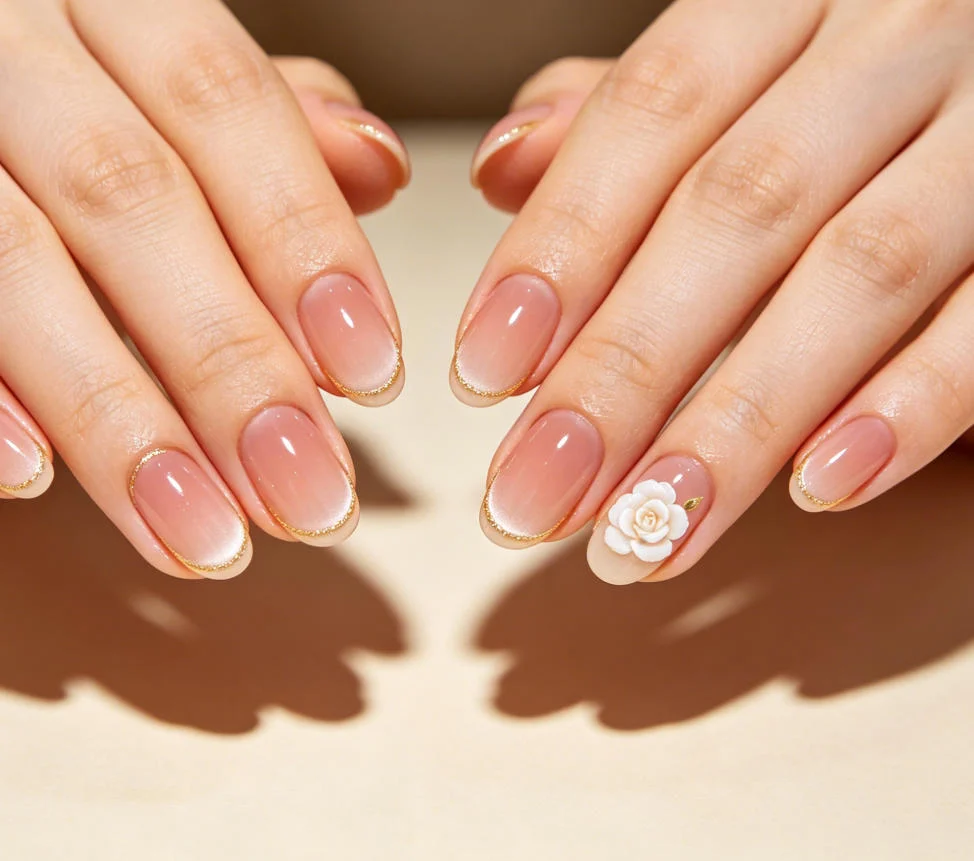
Understanding the economics is crucial. This isn’t just about selling nail sets; it’s about maximizing foot traffic conversion.
Revenue Streams:
Operational Cost & Profit Analysis:
Based on industry data from leading manufacturers like Wider Matrix, here’s a transparent breakdown:
Total Startup Investment (Typical Scenario): ~$10,899
ROI Timeline: With 20 daily sales, the machine can pay for itself in about 31 days. In a high-traffic location achieving 50 sales daily, payback can occur in as little as 12 days, with potential monthly profits exceeding $26,000.
Top Machine Models Compared: Features, Price & Best Use Cases
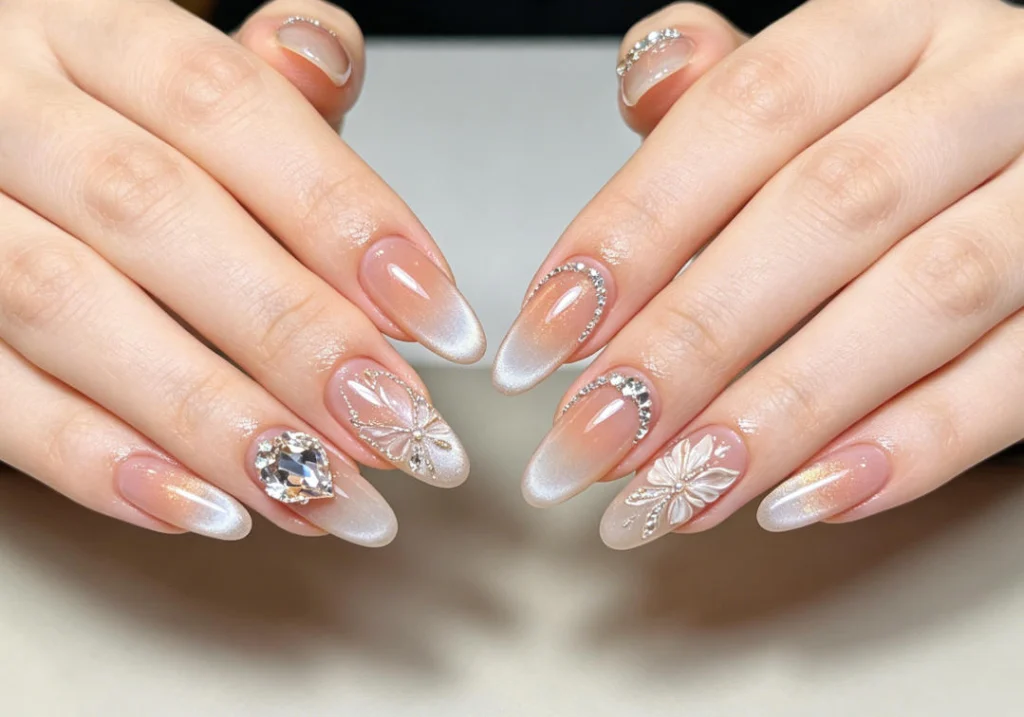
Not all nail vending machines are equal. Here’s a comparative analysis of key models in the market.
| Model / Feature | Wider Matrix WM860 | Brand A (Typical Amazon Kit) | Brand B (Premium Kiosk) |
|---|---|---|---|
| Key Selling Point | AI-Powered Speed & Reliability | Low Entry Cost | High-End Aesthetics |
| Print & Cure Speed | 30 seconds (Industry-leading) | 2-3 minutes | 4-5 minutes |
| Print Quality | 600DPI Industrial UV | Consumer-grade (~300DPI) | 480DPI Commercial |
| AI Positioning | Yes – Auto nail box detection | Manual alignment required | Semi-automatic |
| Inventory Capacity | 720 sets | 200-300 sets | 500 sets |
| Touchscreen | 27-inch HD Interactive | 15-inch Basic | 24-inch HD |
| Approx. Price | $5,800 (MSRP $8,980) | $3,500 – $4,500 | $9,000 – $12,000 |
| Best For | Maximizing ROI, high-traffic locations | Testing the market on a budget | Luxury retail environments |
| Cloud Management | AWS-based, 24/7 remote monitoring | Limited or none | Basic proprietary system |
Why Technical Specs Matter: The print speed and AI positioning directly impact customer wait times and satisfaction. A machine that takes 5 minutes per customer creates a queue, potentially losing sales. Manual alignment leads to misprints and wasted consumables. Industrial-grade components, like the 600DPI printhead, ensure vibrant, professional results that justify the $14.99 price point.
Your Step-by-Step Launch Checklist
Operational Excellence: Maintenance, Compliance & Scaling
FAQs: Answering Your Critical Questions
Q: Is the nail art hygienic and safe?
A: Yes. Customers are not applying polish directly to their nails. They receive a sealed kit of press-on nails. The UV inks used in professional machines from certified manufacturers are non-toxic, odorless, and cured instantly into a solid polymer, making them safe for cosmetic use.
Q: What about design copyright?
A: The machine software should only allow the use of pre-licensed design libraries or personal images uploaded by the user. Reputable providers ensure their design catalog is properly licensed to avoid intellectual property issues.
Q: How reliable are these machines, and what’s the support like?
A: Reliability hinges on component quality and software stability. Look for suppliers offering at least a 1-year warranty, lifetime technical support, and 24/7 remote monitoring. A robust cloud infrastructure (like AWS) ensures stable operation. Ask about the availability of spare parts and local service networks.
Q: Can I customize the machine with my branding?
A: Leading technology-driven manufacturers specialize in custom software and hardware solutions. You can often customize the touchscreen user interface, machine exterior branding, and even pre-load specific designs to match your brand or location theme.
Q: What’s the biggest risk in this business?
A: The single biggest risk is a poor location choice. The machine itself is a durable asset, but without sufficient target foot traffic, sales will not materialize. Thorough location scouting is more critical than the machine purchase decision itself.
The nail design vending machine represents a compelling fusion of technology, beauty, and unattended retail. Success requires treating it as a serious business venture—prioritizing location, selecting equipment based on performance and reliability metrics rather than just upfront cost, and managing operations proactively. By focusing on the high-margin economics, customer experience speed, and partnering with an experienced provider with a global support footprint, entrepreneurs can tap into a trend that is redefining impulse retail.
For a detailed ROI calculation tailored to your target location or to compare technical specifications of professional-grade machines, reaching out to an industry expert can provide the final piece of data for your decision.