Are Nail Printers a Good Investment for Salons? Real Data & ROI
If you’ve been eyeing a nail printer for your salon, you’re probably asking the same question every owner asks: “Is this thing actually going to pay for itself, or am I just buying an expensive toy?” I get it — the price tag makes you pause, and the hype makes you skeptical. So let me give you the straight answer from someone who’s been in the trenches: yes, nail printers can be a genuinely good investment for salons, but only if you understand what they really do, what they cost, and where they fit in your business model.
What a Nail Printer Actually Does for Your Salon
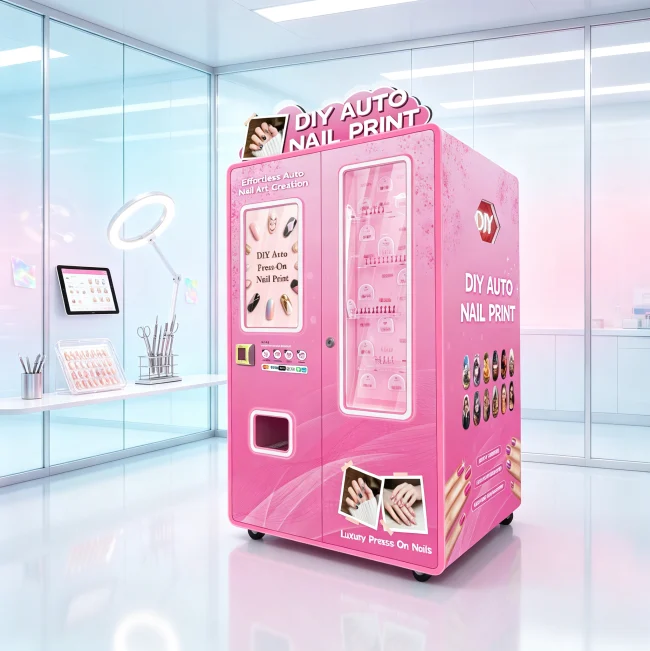
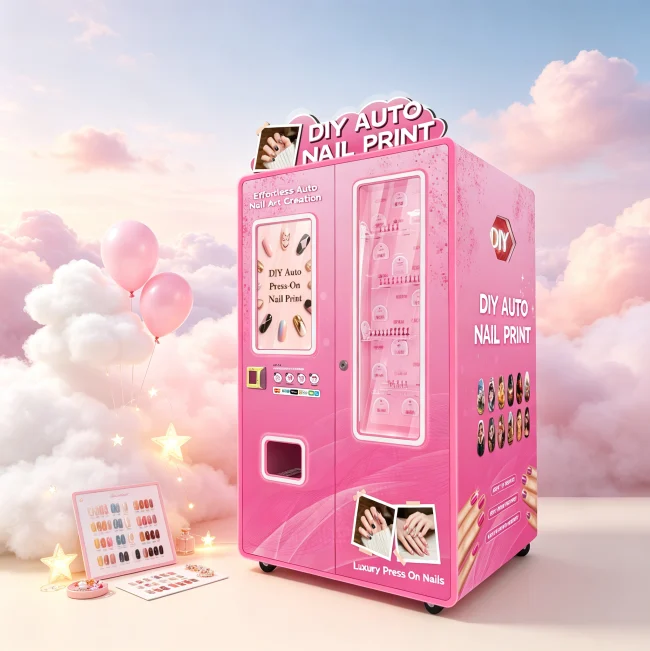
A nail printer is essentially a UV printer that prints full-color designs directly onto press-on nails or, in some cases, onto your client’s natural nails. The Wider Matrix WM860, for example, uses an industrial-grade UV F1080 print head and supports 600dpi printing — that’s detailed, sharp images that rival hand-painted art. But here’s the thing: it’s not about replacing your nail techs. It’s about expanding what you can offer.
Think about it: how many clients walk in wanting a trendy design but don’t want to wait 45 minutes for hand-painting? With a nail printer, you can create custom press-on sets in minutes. The WM860 holds up to 720 sets of press-on nails, and you can print a set in under two minutes. That’s a whole new revenue stream without tying up your artists.
The Real Cost of a Nail Printer (and What It Does to Your Margins)
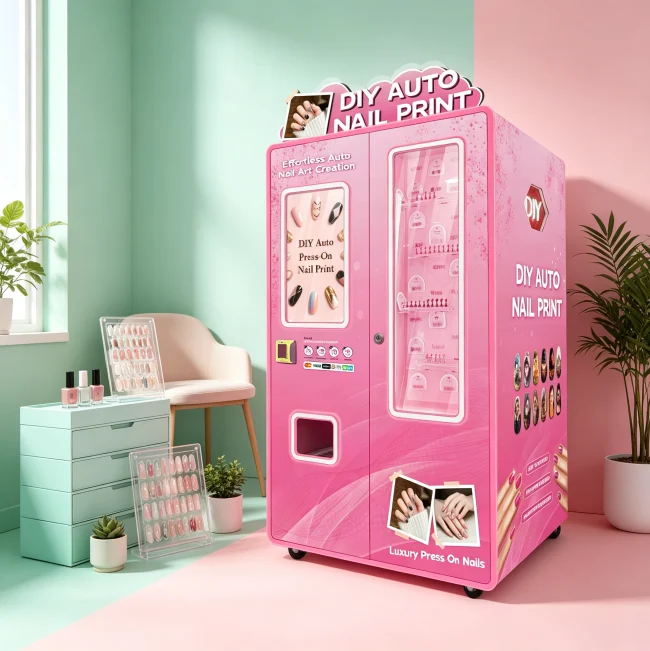
Let’s talk numbers, because that’s what really matters. The WM860 has a single unit reference price of $5,800. That’s not pocket change, but it’s also not a luxury car. And when you break down the per-unit costs, the margins are pretty sweet.
Here’s a realistic cost breakdown:
- Standard press-on nail set: $1.00 for the nails + $0.30 for the tool kit (jelly glue and accessories) = $1.30 total cost
- Premium press-on nail set (cat eye, diamond): $1.50 + $0.30 = $1.80 total cost
Now, what can you charge? In the US, a set of custom press-ons goes for $8–$15, sometimes more if they’re fancy. Even at the low end, that’s a 500% markup. At the high end, you’re looking at over 1000%. And that’s just the physical product — you’re also selling the experience of instant, customized art.
Plus, the ink is cheap. A set of four UV ink bottles (CMYK) plus two top coat gloss varnishes runs about $85, and that can print hundreds of sets. You’ll need to factor in that cost, but it’s minimal per nail.
Of course, the price I just mentioned is the standard reference price. Pricing does fluctuate throughout the year, and we frequently run seasonal promotions — worth checking with our team for what’s available right now.
How Long Until You Break Even?
Let’s do the math together. Say you set your retail price at $12 per standard set. Your profit per set is $12 – $1.30 = $10.70. To cover the $5,800 machine cost, you need to sell about 542 sets. That sounds like a lot, but think about your client base.
If you sell just 15 sets a day (which is very doable in a busy salon, especially if you offer a “grab-and-go” display near the register), you break even in about 36 days. That’s just over a month. Even if you’re slower — say 5 sets a day — you’re looking at 108 days, under four months. Compare that to other salon equipment like a new massage chair or a high-end dryer, which can take a year or more to pay off.
And here’s a kicker: the WM860 has a capacity of 720 sets, so you can stock up on blanks and print on demand. You don’t have to tie up cash in inventory.
What About the “Time Saving” Argument?
One of the biggest selling points of nail printers is time. A hand-painted set takes 45–60 minutes. A printed set takes about 2 minutes. That means you can serve more clients in a day, or you can let your nail techs focus on intricate gel art while the printer handles the simpler, high-volume designs.
I’ve seen salons use the printer for event services — bridal parties, birthday parties, corporate events. Clients love watching their nails get printed. It’s a conversation starter, and it’s a way to offer something unique that your competitors don’t have.
Not a Magic Bullet: Where Nail Printers Fall Short
I’m not going to sugarcoat it — nail printers have limitations. The print quality on curved nail surfaces is good but not perfect. If you’re expecting airbrush-level gradients or delicate hand-painted florals, you’ll be disappointed. The printer excels at crisp, detailed patterns, photorealistic images, and geometric designs. It’s not meant to replace artistic talent.
Also, the printer works best with press-on nails. Printing directly onto natural nails is harder because of the curvature and skin contact. Most salons use the printer to create press-on sets that clients can either wear immediately or take home. That’s actually a win — press-ons are a growing market, and clients love the convenience.
Another thing to consider: the learning curve. The WM860 has a 27-inch HD touchscreen and user-friendly software, but you’ll still need to train your staff to use the design software and maintain the printer. It’s not a set-it-and-forget-it machine. You’ll need to clean the print head regularly (the machine does have an automatic cleaning cycle, but you’ll still do some manual upkeep).
Real-World Examples from Our Installations
We installed a WM860 at a nail salon in Tokyo that was struggling to differentiate itself. They started offering custom press-on sets with anime and manga prints. Within a month, they had a waiting list for the press-on service, and their average ticket size jumped by 30%. Another salon in Los Angeles used the printer to create “designer” press-ons with logos — they now supply local boutiques.
But I’ve also seen a salon owner in London who bought a cheaper, lower-quality printer and ended up with faded prints and constant jams. She called us asking if we could fix it. We told her honestly: the cheap machine wasn’t worth repairing, and she should consider upgrading to an industrial-grade machine like the WM860. She did, and now she’s happy.
Is It Right for Your Salon?
Here’s a quick checklist to help you decide:
- Do you have a client base that’s interested in custom designs? If your clients are always asking for the latest nail art trends, a printer is a great fit.
- Are you looking to add a new revenue stream without adding staff? The printer requires minimal labor — just someone to operate it.
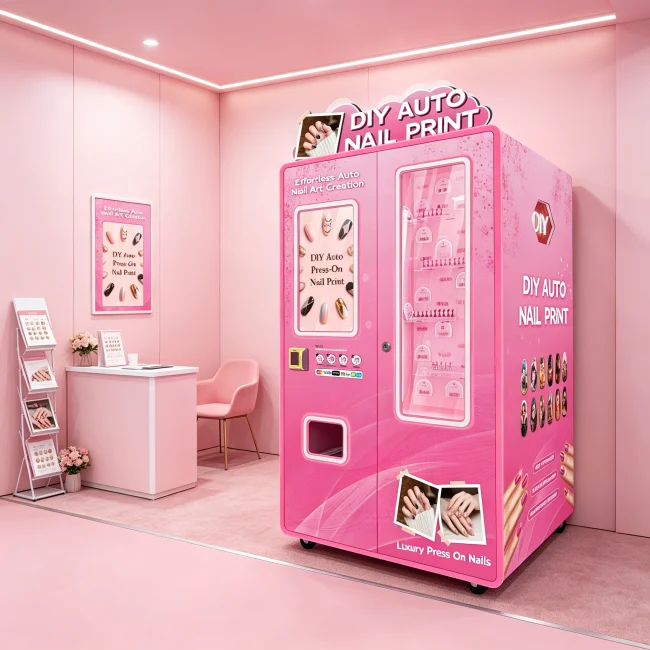
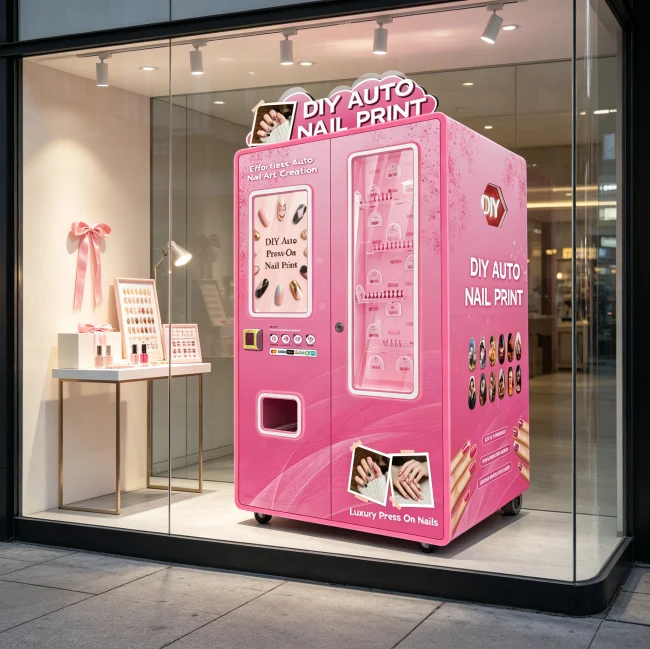
- Do you have the space? The WM860 is a vending machine-style unit, so it takes up floor space. But it can double as a retail display, which is a plus.
- Are you willing to put in the initial learning time? It’s not plug-and-play, but the learning curve is manageable.
If you’re on the fence, consider starting with a smaller investment. Our balloon vending machine (WM688) at $3,200 or the popcorn machine (WM680) at $1,800 are lower-risk entry points, but they don’t have the same margins as nail printing. For the nail printer, the ROI is solid if you’re proactive about marketing it.
The Bottom Line
So, are nail printers a good investment for salons? In my experience, yes — for salons that are willing to treat it as a new product line, not just a toy. The WM860 at $5,800 can pay for itself in a few months, and the margins are excellent. But it’s not for everyone. If you’re not going to actively promote the service, or if you expect it to replace your nail techs, you’ll be disappointed.
If you’re considering it, I’d recommend visiting our website at nailvending.com to see the full specs. And if you want to talk through your specific salon setup, leave your WhatsApp number and our team will reach out with a personalized consultation. We can also tell you about any current promotions — the listed price isn’t always the final story.
FAQ
How much does a nail printer cost?
The Wider Matrix WM860 nail art vending machine has a single unit reference price of $5,800. But pricing can vary based on promotions and bulk orders, so it’s best to contact our team for a current quote.
Can a nail printer print on natural nails?
Technically, yes, but it’s challenging due to the curvature. Most salons use the printer to create press-on nail sets, which is more reliable and allows for higher volume.
How long does it take to print a set of nails?
With the WM860, it takes about 1-2 minutes per set, depending on the complexity of the design.
What are the profit margins on printed press-on nails?
If you sell a set for $10 and your cost is $1.30, your profit margin is about 87%. Even with the machine cost and ink, margins are well above 80%.
Is a nail printer worth it for a small salon?
Yes, if you have the space and are willing to market the service. It’s a way to offer something unique and generate high margins without adding staff.
What kind of maintenance does a nail printer need?
The WM860 has automatic print head cleaning cycles and ink level alarms. You’ll need to regularly clean the machine and refill ink, but it’s low-maintenance compared to other equipment.
Can I customize the design software?
Yes, the WM860 supports custom UI development and offers a proprietary AI design system. You can also upload your own designs.