Is There a Nail Art Printing Machine? 2026 Guide & Buying Tips
You’ve probably seen those short videos — a machine spits out a perfectly painted set of press-on nails, and the whole process takes less time than a single coat of polish. The question I get asked daily, whether at trade shows or from clients on a video call, is simple: is there a nail art printing machine that actually works for a business? Short answer: yes. But the longer answer involves understanding what these machines can really do, how they fit into different business models, and why some operators absolutely crush it while others end up with a very expensive paperweight.
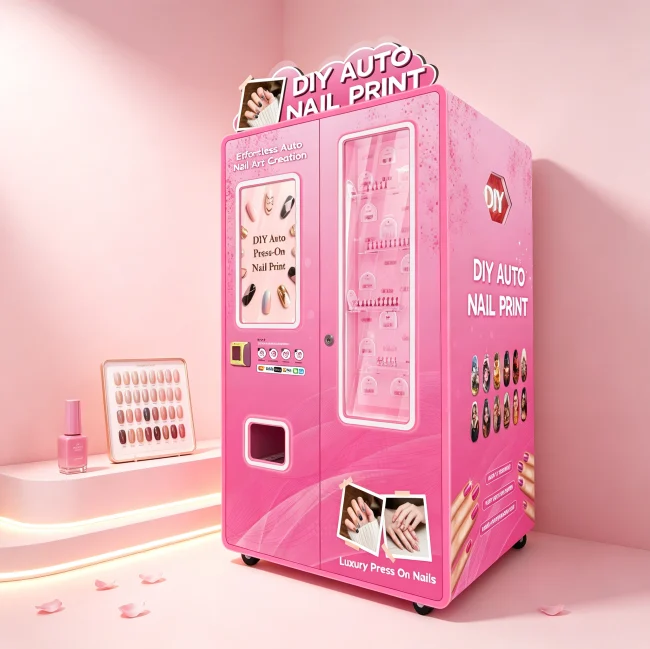
Let’s dig into what’s out there, what to look for, and whether this technology is worth your money.
What Exactly Is a Nail Art Printing Machine?
At its core, a nail art printing machine is a specialized vending or production unit that prints designs onto press-on nails or directly onto a client’s fingernails. The ones we build at Wider Matrix — the WM860 — are industrial-grade UV printers that use an Epson F1080 print head to lay down 600dpi color images onto nail tips. The result is a set of nails that looks custom-made, because it is.
The technology isn’t new — UV printing has been around for decades — but applying it to the nail industry in a way that’s reliable enough for daily commercial use? That’s relatively recent. And it’s changing how nail businesses operate.
Types of Nail Art Printing Machines (Not All Are the Same)
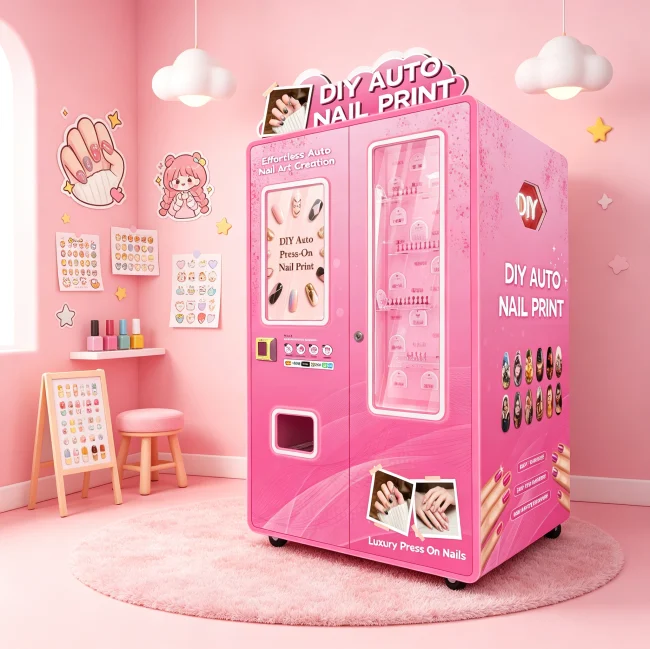
Here’s where it gets interesting. When someone asks “is there a nail art printing machine,” they might be picturing a handheld device for salon use, or a full-blown vending kiosk. There are three main categories:
- Portable desktop printers — These sit on a salon table and print on a client’s fingers. They’re compact, but they require a skilled operator to align the finger correctly. They’re not meant for unattended use.
- Vending-style machines — This is what we do. The WM860 is a self-contained unit with a 27-inch HD touchscreen. A customer walks up, picks a design, and the machine prints and dispenses a set of press-on nails in minutes. No staff required.
- Industrial production printers — These are for factories that print hundreds of nail sets per hour. Way overkill for a retail operation.
For an entrepreneur looking to generate profit, the vending-style machine is the sweet spot. It’s a business in a box.
Why the WM860 Stands Out (and Why It Might Not Be for You)
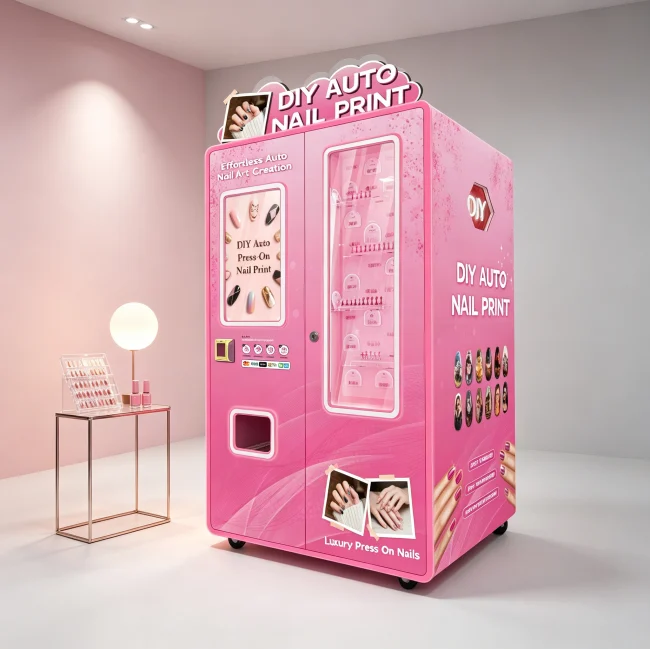
I’ve personally overseen installations of the WM860 in shopping malls, salons, and even airport lounges. It’s a workhorse. The F1080 nozzle gives you crisp, vivid prints — we’re talking 600dpi resolution, which is a 2x clarity improvement over earlier models. It holds up to 720 sets of press-on nails, so you don’t need to refill every day. And it runs on standard 110V-220V power, which means it works anywhere in the world.
But let’s be honest — it’s not for everyone. If you’re a nail technician who wants to offer custom prints to your existing clients, a portable printer might suit you better. The vending machine shines when you want to generate passive income without being tied to a chair.
Real-World Performance: A Case Study from Tokyo
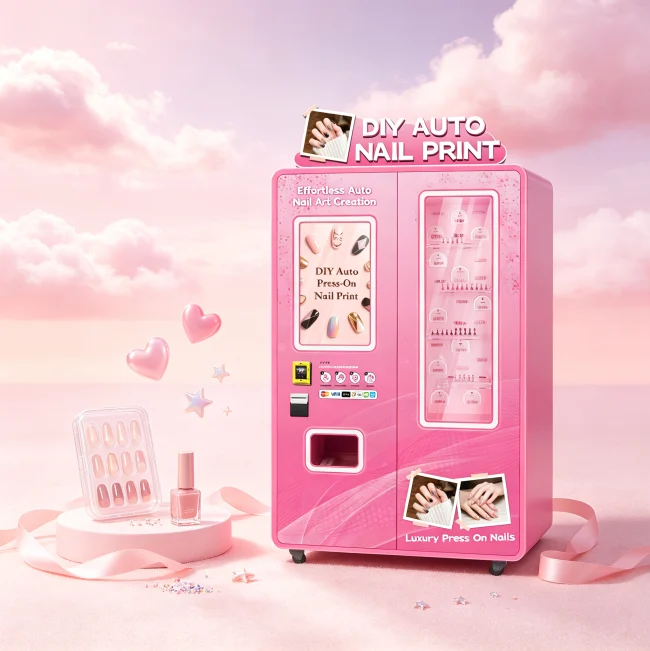
Last spring, a salon chain in Tokyo ordered five WM860 units. Their concern? Print quality on curved nail surfaces. Our F1080 nozzle at 600dpi handled it beautifully, but we had to adjust the dispensing mechanism to handle their preferred thicker gel-type press-on nails. Within a month, each machine was averaging 15 sets per day at ¥2,500 (about $17) per set. The cost per set, including the nail tip, ink, and tool kit, was roughly $1.30. You do the math — that’s a margin that most retail businesses dream about.
That’s not an isolated story. Another operator in Seoul placed two units near university campuses and hit payback in under three weeks. The key is location and foot traffic.
How Much Does It Cost and What’s the ROI?
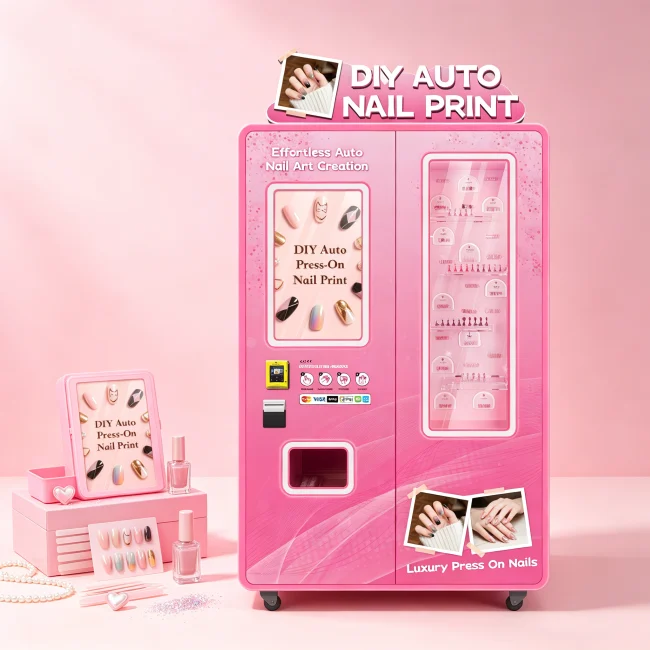
The WM860 is priced at US$5,800 for a single unit. That’s the reference price — it can fluctuate with promotions, so it’s worth checking with our team. But here’s the thing: the revenue potential is what matters. At $10 per set (a common retail price in the US), selling just 10 sets a day covers the machine cost in about two months. And you can sell premium sets with cat-eye or diamond effects for $15 or more.
Let’s break down the numbers:
| Item | Cost | Retail Price | Profit per Set |
|---|---|---|---|
| Standard press-on nails | $1.00 | $8–12 | $7–11 |
| Premium press-on nails | $1.50 | $12–18 | $10.50–16.50 |
| Nail art tool kit (jelly glue) | $0.30 | $1–2 | $0.70–1.70 |
Don’t forget ink. A set of four 250ml bottles costs $85 and can print hundreds of sets before needing replacement. So the consumable cost per set is only a few cents.
What to Look for When Buying (and What to Avoid)
I’ve seen operators make two big mistakes when buying a nail art printing machine:
- Buying a cheap knock-off. There are portable printers on Amazon for a few hundred dollars. They might work for a week, but the print heads clog, registration drifts, and the software is buggy. You’ll end up with angry customers and a pile of wasted supplies.
- Ignoring software and support. A nail art machine is 20% hardware and 80% software. You need regular updates, reliable connectivity, and a team that can help you troubleshoot remotely. That’s why we built our machines with AWS cloud backend and OTA updates — you can push new designs to your machine without touching it.
Also, think about your target market. Are you in a tourist area? Then offer designs with local landmarks. Near a university? Grunge and aesthetic designs sell. Our AI design generator can create custom artwork on the spot, so customers can input their own photos — that’s a huge differentiator.
Comparing Nail Art Machines to Other Vending Options
If you’re weighing a nail art machine against, say, a cotton candy machine or a phone case printer, consider this: nail art has a higher perceived value. A cotton candy costs $0.31 to make and sells for $5, which is a fantastic margin. But a nail set costs $1.30 and sells for $10–15. The profit per transaction is higher, and the product isn’t perishable — you can store 720 sets without worrying about spoilage.
Plus, nail art is a fashion item with endless variety. You’re not limited to a few flavors; you can offer thousands of designs. That’s why we see operators running nail art machines alongside other vending units — they complement each other.
Maintenance Realities: It’s Not Set-and-Forget
Like any precision equipment, the WM860 needs regular care. The print head needs an automatic cleaning cycle (which the machine does for you), and you should check ink levels weekly. But the bigger issue is keeping the nail tips stocked. Each set needs a base coat, and if you run out of a popular size, you lose sales.
One thing I always tell clients: don’t skip the daily wipe-down of the touchscreen. In a busy mall, that screen gets touched hundreds of times. Fingerprints and grime can obscure the display and make the machine look neglected. A clean machine sells more.
Where to Place Your Nail Art Vending Machine
Location is everything. The best spots I’ve seen:
- Mall corridors near beauty supply stores or fashion boutiques
- Airport terminals — travelers love impulse buys before a flight
- University student unions — the 18–25 demographic eats this up
- Tourist attractions — especially near photo-worthy spots
- Salons as an upsell — clients waiting for their appointment can grab a set
Avoid low-traffic areas or places where your target demographic doesn’t hang out. I once saw a unit placed next to a hardware store — it collected dust for a month before the operator moved it to a mall food court. Sales quadrupled.
The Future of Nail Art Printing
We’re seeing a surge in interest from Asia and the Middle East. The global market for press-on nails is booming, and machines like the WM860 are making it possible for anyone to start a nail business without a license or a physical storefront. That’s a huge shift.
Plus, the technology is improving. Our next firmware update will include AI-generated designs based on the customer’s favorite colors and style — no human designer needed. It’s stuff that would have sounded like sci-fi five years ago.
Is a Nail Art Printing Machine Worth It in 2026?
If you’re looking for a vending machine that offers high margins, low consumable costs, and a product that people actively seek out, yes. But it’s not a “set it and forget it” money printer. You need to pick a good location, keep it stocked, and market it a little. Do that, and the returns can be excellent.
Still on the fence? Check out our pricing guide and honest review to see how it stacks up against expectations. Or read about how to turn the WM860 into a profitable business.
If you’re ready to explore this seriously, reach out to our team. We’ll help you decide if a nail art vending machine is the right fit for your venue and budget. And since pricing does fluctuate throughout the year, it’s worth checking what promotions we have running right now.
Drop your WhatsApp number below — one of our vending specialists will message you directly with a personalized quote and detailed specs. Or visit nailvending.com to browse the full lineup.
FAQ
Can a nail art printing machine print on natural nails?
Yes, some portable models can print directly on a client’s nails. But for vending machines like the WM860, we focus on press-on nails because they’re hygienic, consistent, and can be pre-made in bulk. Direct printing on live fingers requires more complicated alignment and isn’t suited for unattended operation.
How long does it take to print a set of nails?
The WM860 takes about 1–2 minutes to print a set of five nails. The exact time depends on the design complexity and the number of nails in the set.
What kind of designs can I offer?
Anything you can imagine. The machine uses a standard image file, so you can upload your own designs or use the built-in library. Our AI design generator also lets customers create custom artwork by choosing colors and patterns.
How much does it cost to run a nail art vending machine?
Consumables cost about $1.30 per standard set (nail tip + ink) and $0.30 for a tool kit. Electricity is minimal — the machine draws about 200W during printing. The biggest ongoing cost is restocking nail tips and ink, which is why we keep prices low.
Is the ink safe for skin contact?
Yes, the UV ink we use is skin-safe and cures instantly under UV light. It’s the same technology used in many beauty products. We also include a top coat gloss to seal the design.
Where can I get a nail art printing machine?
Directly from manufacturers like Wider Matrix. We’re the ones who build them, so you get the best price and direct technical support. Check out our WM860 product page for full specs.