Nail Art Vending Machine Printer: The 2026 Investors Guide to Profit & Models
If you’re searching for “nail art vending machine printer,” you’re likely not just curious—you’re a savvy entrepreneur, salon owner, or investor actively investigating a tangible business opportunity. You’ve seen the buzz on social media and in news articles, and your core questions are practical and urgent: How much does it cost? Is it a viable business? How does it actually work? And where can I get a reliable one? This guide is designed to cut through the marketing fluff and provide the comprehensive, actionable analysis you need. We’ll move beyond basic product specs to deliver a detailed 2026 business guide, complete with unbiased model comparisons, deep financial breakdowns, and the operational insights competitors aren’t telling you.
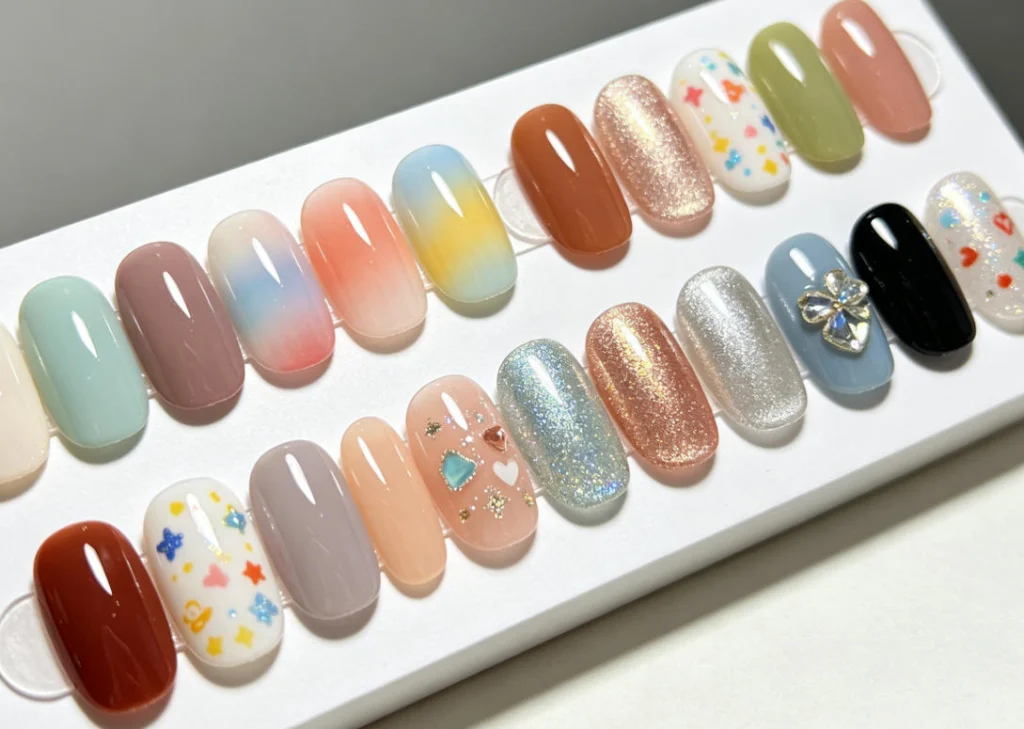
A nail art vending machine printer is a fully automated, self-service kiosk that allows customers to select, customize, and instantly receive a set of press-on nails. The user experience is seamless: a customer approaches the machine, browses dozens of pre-loaded designs on a large HD touchscreen, can often upload their own image for personalization, makes a payment, and watches as the machine automatically prints their chosen artwork onto a blank nail set and cures it with UV light in under a minute. The entire process is unattended, creating a potential 24/7 revenue stream with zero labor cost. This fusion of vending automation, direct-to-substrate UV printing, and consumer-driven customization represents a significant shift in the beauty retail landscape.
Market Viability: Is This a Sustainable Business in 2026?
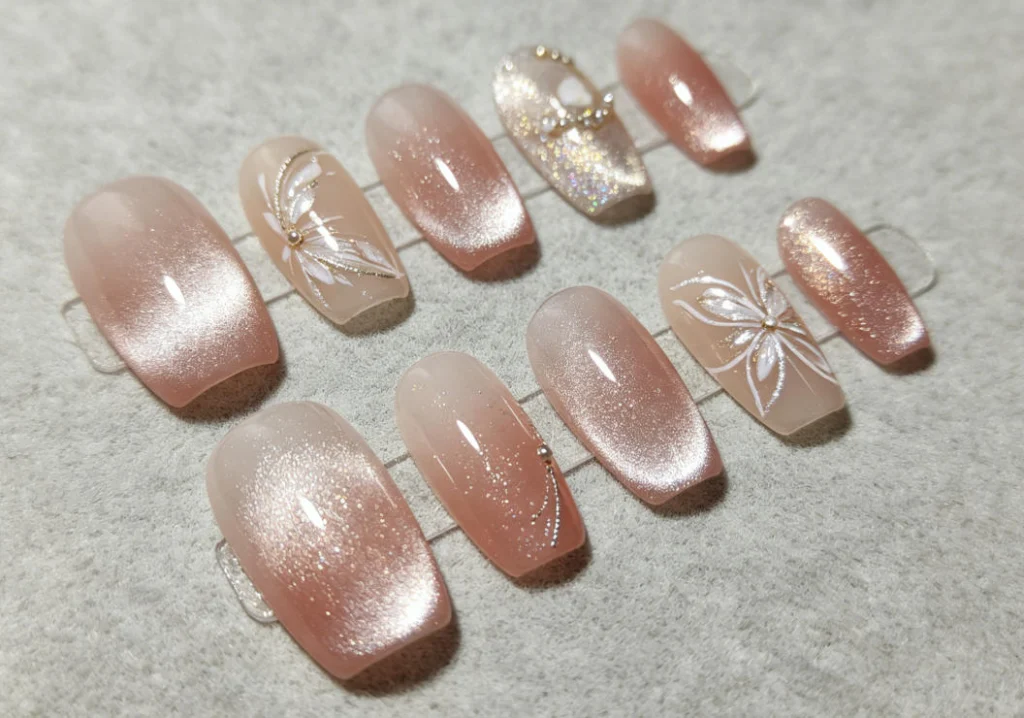
The concept is validated by more than just viral TikTok videos. Industry reports and observed deployments confirm strong market traction in high-foot-traffic locations like shopping malls, airports, college campuses, and entertainment complexes. The demand is driven by the enduring popularity of nail art, the consumer desire for instant gratification, and the relatively low price point for a personalized beauty product. For the operator, the model’s viability hinges on high margins and automation. With typical production costs under $1.50 per set and retail prices ranging from $12.99 to $19.99, the gross profit margin can exceed 85%. This, combined with the low overhead of an unattended machine, creates a compelling financial case, provided the unit is placed in the right location.
Comparative Model Breakdown: Key Machines on the Market
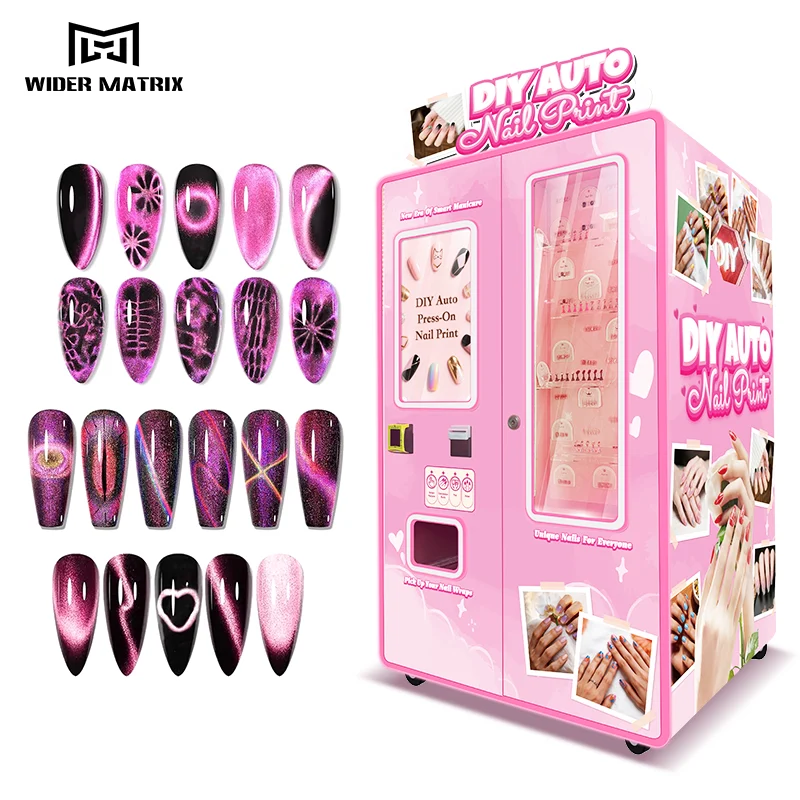
To make an informed decision, you need a clear, side-by-side comparison. Here is an analysis of three prominent models, including our own, based on publicly available specs and industry knowledge.
| Feature | Model A (Common Entry Model) | Model B (Mid-Range Competitor) | Wider Matrix WM860 (Professional Grade) |
|---|---|---|---|
| Approx. Price | $4,500 – $5,500 | $5,500 – $6,500 | $5,800 (MSRP $8,980) |
| Print Technology | Consumer-grade DTG | Basic UV Printing | 600DPI Industrial UV Printheads |
| Print & Cure Speed | 2-5 minutes | 1.5-3 minutes | 30 seconds |
| Alignment System | Manual customer placement | Semi-automatic guides | AI Smart Recognition & Auto-Positioning |
| Inventory Capacity | ~500 sets | ~600 sets | 720 sets |
| Ink Efficiency/Cost | ~2,000 sets/ink set | ~3,000 sets/ink set | ~5,000 sets/ink set ($0.017/print) |
| Touchscreen | 21-24" HD | 24" HD | 27" HD Capacitive Touchscreen |
| Remote Management | Basic connectivity | App-based monitoring | 24/7 Wi-Fi Cloud (AWS Infrastructure) |
| Key Differentiator | Lower upfront cost | Balanced features | Speed, quality, lowest operating cost, self-healing system |
Analysis: While Model A offers a lower entry point, it often sacrifices print quality, speed, and reliability, leading to potential customer dissatisfaction and higher long-term maintenance. Model B represents a step up but may lack the advanced automation that minimizes errors and downtime. The Wider Matrix WM860 is engineered for commercial durability and optimized operational economics, particularly its industry-leading ink efficiency which drastically reduces recurring costs.
Deep-Dive Financial Analysis & ROI Scenarios
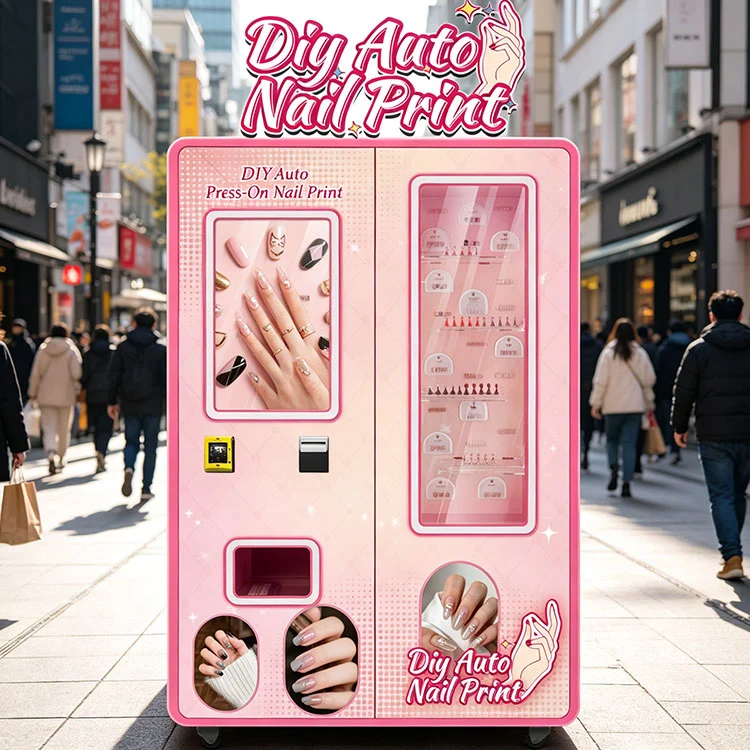
Moving beyond simple profit-per-sale, a serious business plan requires a full view of startup costs and scenario-based projections.
Total Startup Investment (Estimated Range): $9,500 – $12,000
This includes:
Operational Cost & Revenue Projections:
| Scenario | Daily Sales | Monthly Sales | Monthly Revenue | Monthly Cost | Monthly Net Profit | ROI Timeline |
|---|---|---|---|---|---|---|
| Conservative | 10 sets | 300 sets | $4,497 | $305 | $4,192 | ~2.5 Months |
| Moderate | 20 sets | 600 sets | $8,994 | $610 | $8,384 | ~1.2 Months |
| Aggressive | 35 sets | 1,050 sets | $15,740 | $1,068 | $14,672 | Under 1 Month |
Note: These exclude fixed location fees. The “Aggressive” scenario mirrors performance in top-tier locations like major malls.
The Step-by-Step Launch Checklist
Operational Insights: Maintenance, Troubleshooting & Best Practices
Routine Maintenance:
Common Troubleshooting:
Best Practice: Start with a smaller inventory variety (20-25 of your best-judged designs) and use the first month’s sales data to refine your stock. Focus on trendy, universally flattering styles initially.
FAQ: Your Pressing Questions, Answered
Q: How much space does the machine need?
A: Most standard models, including the WM860, require a footprint of approximately 1.2m x 1m (4ft x 3.3ft), plus space for customers to stand and interact.
Q: What about permits or regulations?
A: Regulations vary by city and location. Typically, vending machines in private spaces like malls require the landlord’s permission. It’s rarely a public permit issue, but always check with your location manager. Using machines built with internationally certified, non-toxic, and odorless materials (like CE, UKCA, RoHS) simplifies compliance discussions.
Q: Can I run multiple machines?
A: Absolutely. The cloud-based management systems offered by professional manufacturers are designed for multi-unit oversight. You can monitor sales and inventory for all your machines from a single dashboard, making it scalable.
Q: What kind of support can I expect after purchase?
A: This is a crucial differentiator. Look for suppliers offering comprehensive support. For example, we provide a 1-year warranty, lifetime technical support via a 24/7 engineer team, step-by-step video guides, and a self-healing system in our software to automatically diagnose and recover from many common glitches, minimizing downtime.
Q: Is customization available for my business?
A: Many established manufacturers offer OEM/ODM services. This can range from custom UI branding and color schemes on the screen to fully customized hardware designs. This is a core strength of technology-driven companies with in-house software and hardware R&D teams, allowing for solutions tailored to specific venue or branding needs.