Do You Need a Permit for a Vending Machine? The 2026 Guide
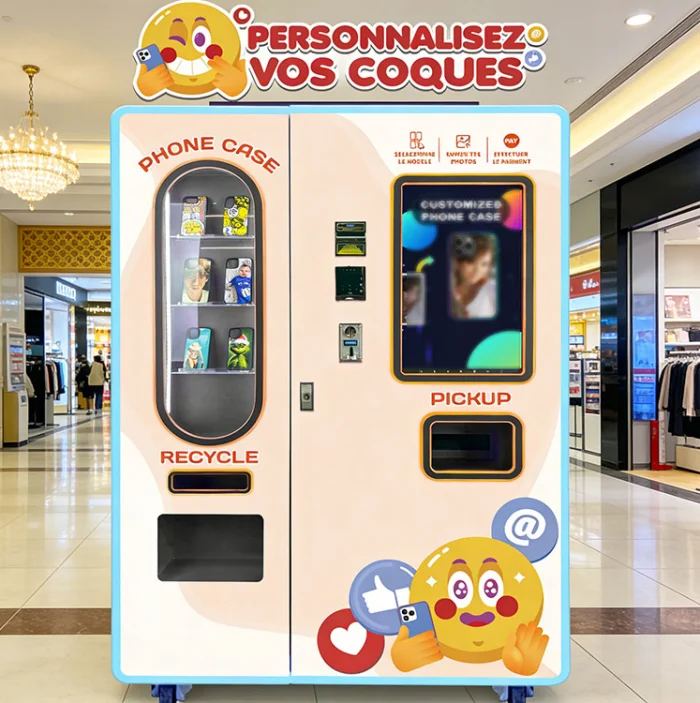
You generally need a permit or license to operate a vending machine, but the specific requirements vary by location, machine type, and what you’re selling. For example, in the US, most states require a seller’s permit and possibly a food handler’s permit if you’re selling food or beverages. Overseas, countries like Singapore mandate an SFA license for food vending. The good news? Many smart vending machines—like custom phone case printers or nail art vending machines—sell non-food items, which often means fewer regulatory hurdles. Let’s break down what you actually need based on real-world deployments.
Why Permit Requirements Depend on What You Sell
The single biggest factor determining your permit needs is the product category. Food and beverage machines face the strictest regulations because of health and safety concerns. In the US, the FDA’s Food Code applies, and many states require a vending machine license and routine inspections. For example, a pizza vending machine or ice cream vending machine will need permits similar to a restaurant in most jurisdictions.
On the other hand, machines that vend non-food items—like custom phone cases, press-on nail sets, or jigsaw puzzles—typically fall under general business licensing. You’ll still need a business license and possibly a seller’s permit to collect sales tax, but you can skip health department approvals. That’s a big advantage if you’re looking to get started quickly.
Some machines sit in a gray area. Cotton candy vending machines and popcorn vending machines produce food on-site, so they trigger food safety regulations. Protein shake vending machines also fall into that category. But a phone case vending machine? No food involved—just a product that’s already manufactured and safe to handle.
💡 Pro Tip: If you’re new to vending, start with a non-food machine like a phone case printer or nail art vending machine. You’ll avoid health permits and inspections, making your path to revenue much faster.
Permit Checklist by Machine Type
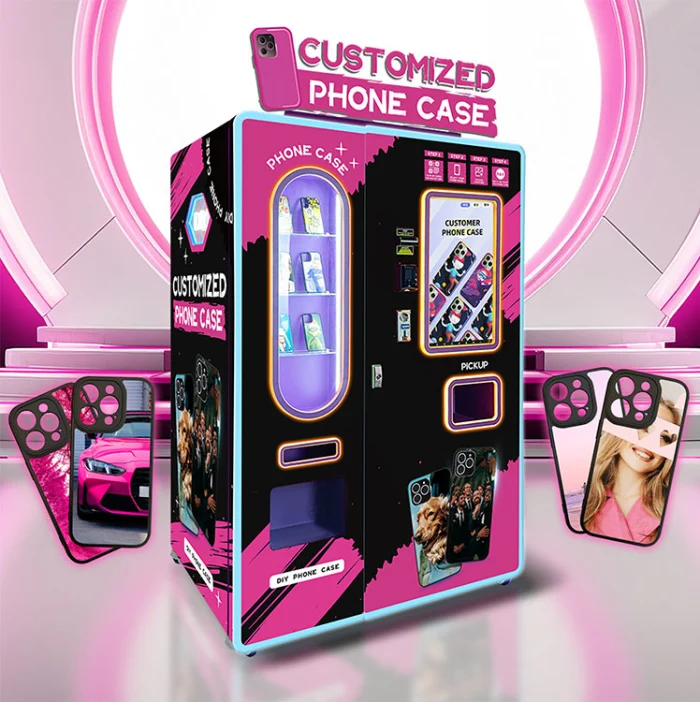
Here’s a quick reference for common Wider Matrix machines and typical permit requirements in the US and EU. Always check local laws, but this gives you a starting point.
| Machine Type | Product Category | Typical Permits Needed | Health Dept Inspection? |
|---|---|---|---|
| Phone Case Vending Machine (WM880) | Non-food | Business license, seller’s permit | No |
| Nail Art Vending Machine (WM860) | Non-food (press-on nails) | Business license, seller’s permit | No |
| Cotton Candy Machine (WM980 Plus) | Food (prepared on-site) | Business license, seller’s permit, food handler permit, vending machine license | Yes |
| Pizza Vending Machine (WM660) | Food (prepared on-site) | Business license, seller’s permit, food service license, vending machine license | Yes |
| Ice Cream Vending Machine (WM550) | Food (frozen) | Business license, seller’s permit, food handler permit, vending machine license | Yes |
| Protein Shake Machine (WM186) | Food (prepared on-site) | Business license, seller’s permit, food handler permit, vending machine license | Yes |
| Popcorn Vending Machine (WM680) | Food (prepared on-site) | Business license, seller’s permit, food handler permit, vending machine license | Yes |
| Jigsaw Puzzle Machine (WM520) | Non-food | Business license, seller’s permit | No |
Location Permissions: Don’t Forget the Property Owner
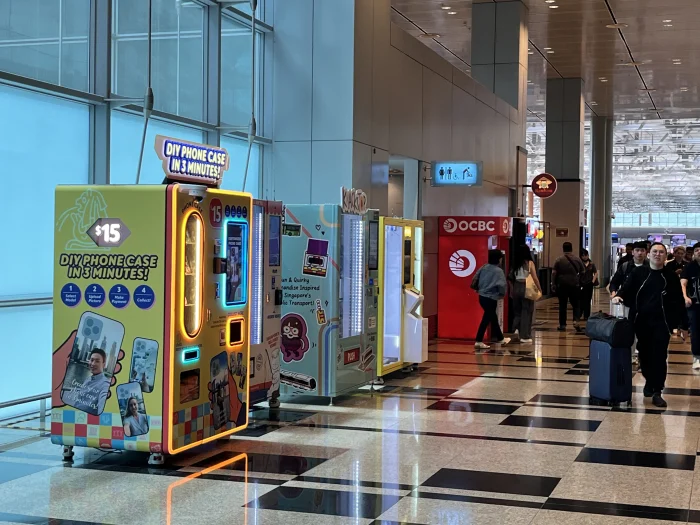
Even if you have all the government permits, you still need permission from the property owner or manager. Shopping malls, airports, and theme parks often have their own rules about vending machines. Some charge a flat monthly fee, others take a percentage of sales (typically 10-20%), and a few require you to go through a competitive bid process.
I’ve seen operators lose money because they secured permits but didn’t negotiate a good location agreement. Always get the placement terms in writing before you buy a machine. And remember: high-traffic spots like mall entrances or food courts may require a premium fee or a longer commitment.
📍 Location Alert: Always ask the property manager for their vending machine policy before signing a lease. Some malls have exclusive contracts with big vending operators, and they won’t let you place a machine at all.
International Considerations for Export Machines
If you’re importing a vending machine from a manufacturer like Wider Matrix, you also need to think about customs and certifications. Many countries require machines to have CE (Europe), UKCA (UK), RoHS, or other safety marks. Wider Matrix machines come with these certifications, which simplifies the import process. But you still need local business permits once the machine arrives.
For example, in Singapore, the Singapore Food Agency (SFA) requires a license for any vending machine that sells food. You can read more about that in our guide: Do You Need a License for a Vending Machine in Singapore? 2026 SFA Guide.
In South Africa, the regulatory environment is different. Check out our analysis: Is a Vending Machine Business Profitable in South Africa? Real Costs & ROI for 2026.
How to Find Your Local Permit Requirements
Don’t rely on generic internet advice—every city, county, and state has its own rules. Here’s what I recommend to new operators:
- Start with your city or county business license office. Ask what permits are needed for a vending machine selling your specific product.
- If selling food, contact your local health department. They’ll tell you if an inspection is required and what the standards are.
- Check your state’s department of revenue for seller’s permit and sales tax requirements. Most states require you to collect and remit sales tax on vending sales.
- For non-food machines, you might only need a general business license and a seller’s permit. That’s it.
I always tell operators to budget a few hundred dollars for permits and a couple of weeks of lead time. Some permits can be processed online in minutes; others require an in-person inspection and take a month.
📋 Operator Insight: Don’t skip the seller’s permit even if your state doesn’t require one for low-volume sales. Having it makes you look professional and avoids penalties if you later grow and need to register.
Common Mistakes Operators Make
One of the biggest mistakes I see is people assuming that because a machine is “automated,” it doesn’t need permits. That’s false. Another common error is thinking that one permit covers all machine types—it doesn’t. A phone case vending machine and a cotton candy vending machine fall under completely different regulatory categories.
I’ve also seen operators get fined for placing machines without property owner permission. Don’t be that person. Always get written approval. And finally, don’t forget about tax registration. Even if you’re a small operation, many states require you to collect sales tax on vending sales. The penalties for non-compliance can add up fast.
Why Non-Food Vending Machines Are a Great Entry Point
If you’re worried about the permit hassle, starting with a non-food vending machine is a smart move. Machines like the Wider Matrix WM880 phone case printer or the WM860 nail art vending machine let you start earning with minimal red tape. You can place them in malls, airports, or tourist spots without needing health inspections.
For a deeper look at profitability, check out our guide: What Is the Most Profitable Item for Vending Machines? The 2026 Data-Driven Guide. And if you’re curious about nail vending specifically, see Is a Nail Vending Machine Profitable in 2026? Data, ROI & Risks.
💰 ROI Reality: A non-food machine like a phone case printer can start generating revenue within weeks and often pays for itself in a few months—without the headache of food permits. That’s a huge advantage for first-time operators.
Final Thoughts on Permits and Getting Started
Permits don’t have to be a barrier. The key is to know exactly what your machine vends and then check with local authorities. For non-food machines, the process is usually straightforward. For food machines, expect more paperwork and inspections, but the higher profit margins can make it worth it.
If you’re still unsure, talk to other operators in your area or consult with a business attorney. And if you want a machine that’s already certified for international markets, Wider Matrix has you covered with CE, UKCA, RoHS, and more. Explore our product range: Vending Machine Products.
Frequently Asked Questions
Do I need a permit for a vending machine in my home state?
Yes, in most cases. Even if your state doesn’t require a specific vending machine license, you’ll likely need a general business license and a seller’s permit. Check with your city and county offices to be sure.
Can I operate a vending machine without a business license?
Technically you could, but it’s not recommended. Operating without a license can result in fines, seizure of the machine, and legal issues. It’s better to spend a small amount on licensing up front.
How much do vending machine permits cost?
Costs vary widely. A business license might be $50-$400 per year. A seller’s permit is often free. Food-related permits can cost $100-$1,000 depending on your location and the type of inspection required.
Do I need a health department permit for a cotton candy vending machine?
Yes, because cotton candy is prepared on-site and considered a food product. You’ll need to meet local health codes, which may include an inspection of the machine and your operational procedures.
Are permits different for phone case vending machines?
Generally, no. Since phone cases are non-food items, you usually only need a business license and a seller’s permit. No health department involvement is required.
How long does it take to get a vending machine permit?
It depends. A seller’s permit can be issued online in minutes. A business license might take a few days to a few weeks. Health department permits can take 2-6 weeks if an inspection is required.
Do I need a permit for a vending machine in a shopping mall?
You’ll need the mall’s permission first, plus any government permits. Malls often have their own application process and may charge a fee or take a percentage of sales.
Can I get a permit for a vending machine online?
Many permits can be applied for online through your city, county, or state website. For example, seller’s permits are often available through your state’s department of revenue portal.
“The biggest mistake new operators make is underestimating the importance of permits and location agreements. I’ve seen people lose thousands because they skipped a simple step. My advice: treat permits as a non-negotiable part of your startup budget, just like the machine itself. For non-food machines, the process is quick and cheap—there’s no excuse to skip it.”