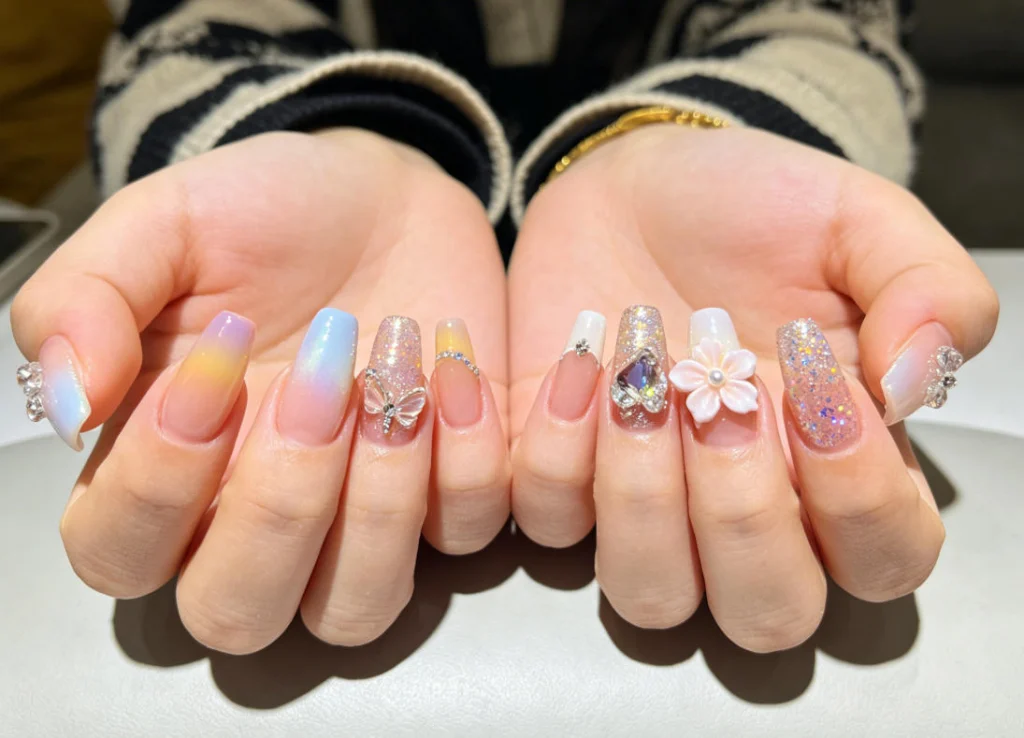
How Much Does a Nail Vending Machine Cost – 2026 Price & ROI Guide
You’re asking the right question. “How much does a nail vending machine cost?” is the starting point for any savvy entrepreneur, but the real answer is more nuanced than a single price tag. The cost is just one piece of the investment puzzle. To make a truly informed decision, you need to understand the full price spectrum, the hidden expenses, and how different features impact your bottom line. This 2026 buyer’s guide breaks down everything, from upfront purchase prices to long-term profitability, so you can invest with confidence.
| Machine Type & Key Features | Approximate Price Range (USD) | Best For |
|---|---|---|
| Basic Press-On Nail Dispenser | $1,500 – $3,500 | Low-risk entry, simple vending of pre-made sets. |
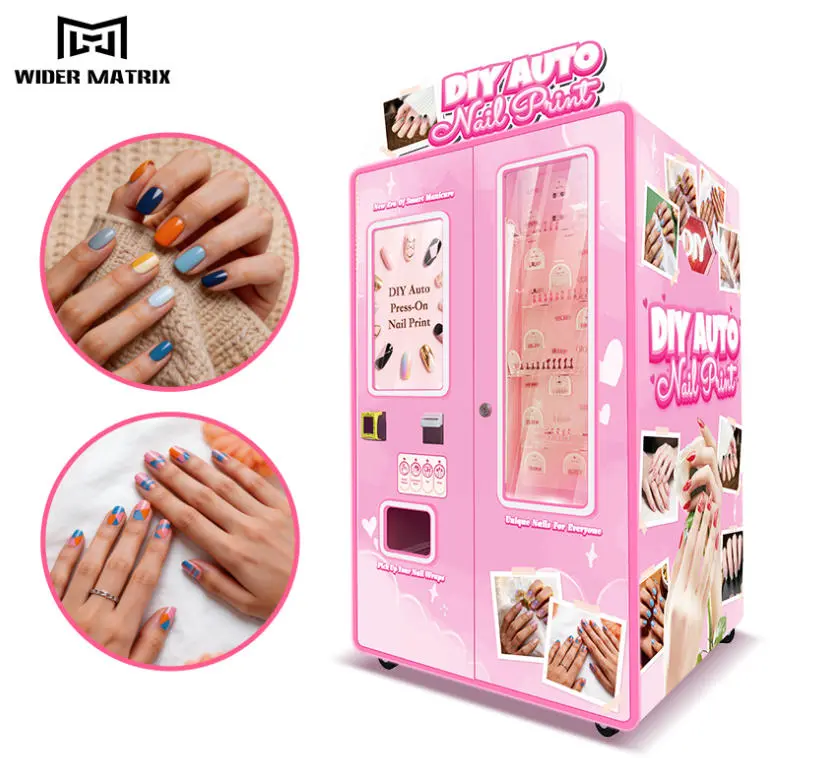
| AI-Powered DIY Print & Cure Machine (e.g., Wider Matrix WM860) | $5,500 – $9,500 | High-margin, personalized service; the current market leader for ROI. |
| Advanced Robotic Manicure Unit | $15,000 – $30,000+ | High-footfall luxury locations; much longer payback period. |
| Bulk/Wholesale Order (5+ units) | Variable; significant per-unit discount | Scaling a vending network or large franchise operations. |
The Real Cost of a Nail Vending Machine: A 2026 Buyer’s Guide
Breaking Down the Purchase Price
The machine you choose directly dictates your initial investment and revenue potential.
1. Basic Press-On Nail Dispensers ($1,500 – $3,500)
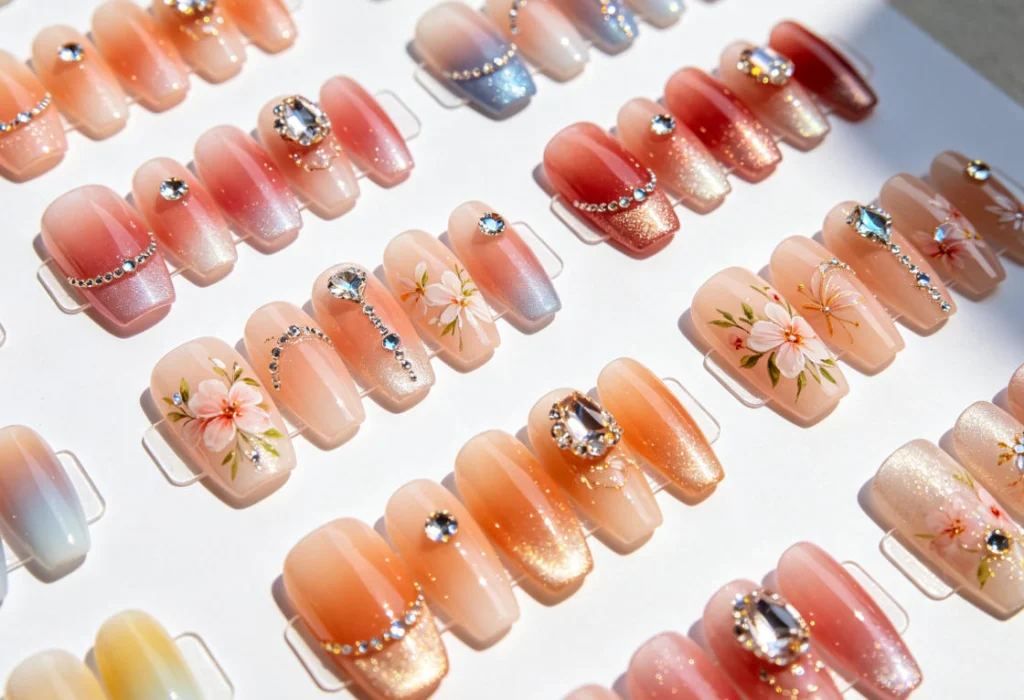
These are essentially glorified retail cabinets. They vend pre-packaged, mass-produced nail sets. The low price is attractive, but so are the limitations: no customization, lower perceived value, and thinner profit margins. You’re competing with drugstore shelves, not offering a unique experience.
2. AI-Powered DIY Print & Cure Machines ($5,500 – $9,500)
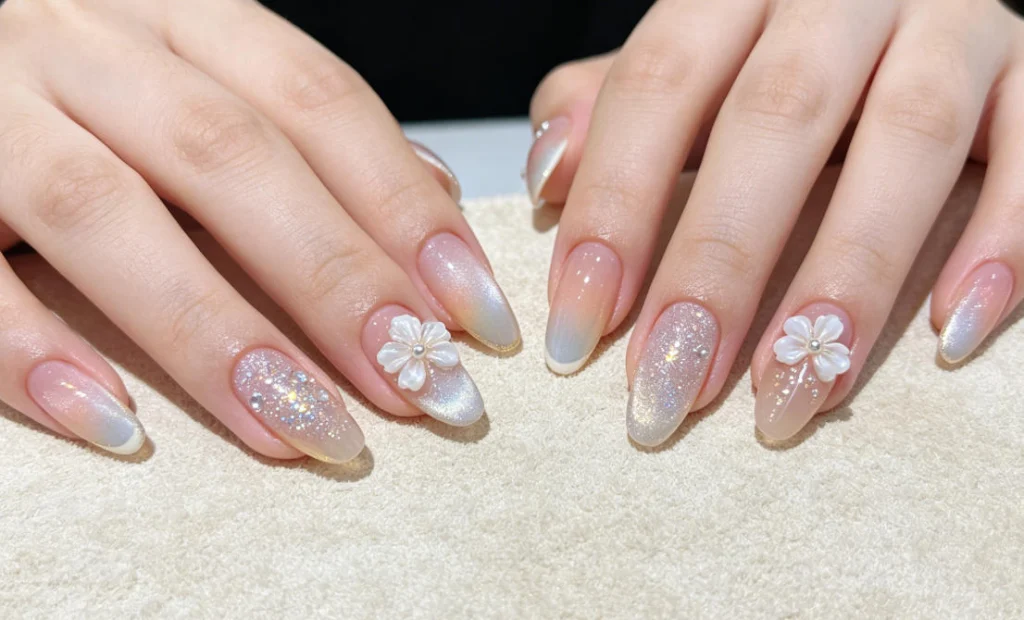
This is where the market has exploded. These machines allow customers to select a design and have it printed directly onto a press-on nail set, cured, and dispensed in minutes. The price variance here is critical and ties directly to performance and operating costs.
- Lower-End Models (~$5,500): May use consumer-grade printheads with lower resolution (e.g., 300 DPI), slower print/cure times (2-3 minutes), and lack advanced alignment features, leading to potential misprints and waste.
- Professional-Grade Models (~$5,800): For example, the Wider Matrix WM860 is priced at $5,800 (MSRP $8,980). It features industrial 600DPI UV printing for salon-quality results, AI smart recognition for perfect automatic alignment, and a 30-second print & cure cycle. This speed directly increases your daily sales capacity. The higher initial cost is offset by dramatically lower long-term operating costs and superior reliability.
3. Robotic Manicure Units ($15,000 – $30,000+)
These are complex devices that attempt to apply polish to natural nails. They represent a niche, high-cost segment with significant technical and maintenance challenges. The ROI timeline is long and highly location-dependent.
The Hidden Costs: Total Cost of Ownership (TCO)
The machine price is only the beginning. Ignoring these costs is the #1 reason new ventures struggle.
- Shipping, Duties, and Taxes: For a machine shipped from an international manufacturer to North America, budget $900 – $1,300. For the EU or UK, add VAT (typically 20-25%) and possible import duties. Always request a DDP (Delivered Duty Paid) quote for clarity.
- Installation & Setup: Professional installation can cost $200-$500. Many reputable suppliers, including our team at Wider Matrix, include comprehensive setup guidance and remote support in the purchase.
- Payment Processing System: A reliable cashless system is non-negotiable. A solution like Nayax requires an initial hardware cost (~$400) plus a small transaction fee (2-3%).
- Consumables & Refills: This is your ongoing cost of goods sold (COGS).
- Nail Sets: Wholesale cost ranges from $0.80 – $1.00 per set for quality blanks.
- Ink: This is a major differentiator. Industrial UV ink systems can print ~5,000 sets for ~$85, costing just $0.017 per print. Cheaper machines may use ink costing 3-4x more per print.
- Tool Kits (glue, file): ~$0.20 per set.
- Software & License Fees: Many machines require an annual software subscription ($100 – $300/year) for cloud management, analytics, and updates.
- Location & Permits: Mall kiosk rentals can range from $500 to $3,000+/month. Always check local business permit requirements for vending equipment.
ROI Analysis: When Will You Break Even?
Let’s model a realistic scenario using a professional-grade AI printer like the WM860, which has a production cost of ~$1.017 per set (nail, ink, kit) and a suggested retail price of $14.99.
| Daily Sales | Gross Revenue | Daily Profit | Projected ROI Period |
|---|---|---|---|
| 10 sets | $149.90 | $139.80 | ~78 days |
| 20 sets | $299.80 | $279.60 | ~31 days |
| 30 sets | $449.70 | $419.60 | ~21 days |
| 50 sets | $749.50 | $699.40 | ~12 days |
Assumptions: Total startup capital of ~$10,900 (machine, shipping, payment terminal, initial inventory). This excludes location rent.
Achieving 20-30 sales daily in a good mall, airport, or university is a proven, realistic target. This model highlights why machine reliability and speed are crucial—downtime or slow service directly erases profits.
How to Choose: Feature vs. Cost Trade-Offs
Don’t just compare prices; compare value over 3 years.
| Feature | Why It Matters | Cost of Not Having It |
|---|---|---|
| AI Positioning | Eliminates misprints and wasted consumables. Ensures perfect, consistent results every time. | Higher waste (failed prints), customer dissatisfaction, increased COGS. |
| 600DPI+ Industrial Print | Salon-quality, detailed designs that command a premium price. | Blurry prints, lower perceived value, difficulty charging top dollar. |
| <60 Second Print/Cure | Higher customer throughput. Serves 4-6x more people per hour than a 5-minute machine. | Lost sales during peak times, long queues deter customers. |
| High-Capacity Inventory (720+ sets) | Less frequent restocking (weekly vs. daily). Reduces labor and operation disruption. | More labor costs, risk of stock-outs losing sales. |
| Cloud Management & Remote Monitoring | Track sales, inventory, and machine health 24/7 from your phone. Enables proactive maintenance. | Reactive operations. You only know there’s a problem when sales stop. |
Where to Buy: Pros and Cons of Different Suppliers
- B2B Marketplaces (Alibaba, Made-in-China):
- Pros: Seemingly low upfront prices; vast selection.
- Cons: Extreme variability in quality. Hidden costs in shipping/logistics. Little to no after-sales support. Often lack crucial certifications (CE, UKCA). Documentation and software may be poor. You are buying a commodity, not a solution.
- Direct from Specialist Manufacturer (e.g., Wider Matrix):
- Pros: Direct access to engineering support. Clear TCO with DDP shipping options. Machines built to international standards (CE, UKCA, RoHS). Comprehensive warranty (typically 1 year) and lifetime technical support. Often include business guidance on placement and operations.
- Cons: Higher upfront price than the cheapest marketplace listings (but often better value than mid-tier ones).
- Domestic Distributors/Resellers:
- Pros: Local stock, potentially quicker delivery.
- Cons: Significant markup (often 40-100%). May have limited technical knowledge of the core machine.
FAQ: Nail Vending Machine Costs
Q: What is the cheapest nail vending machine I can buy?
A: Simple dispenser machines can be found for around $1,500-$2,000 on B2B platforms. However, consider the business model: lower customer appeal, lower profit margins, and higher competition from retail stores often make the slightly higher investment in a print-on-demand machine far more profitable in the long run.
Q: Are there monthly fees for software?
A: It varies by supplier. Many professional providers include the first year of cloud management in the purchase price, with an annual fee of approximately $99-$150 thereafter for updates, analytics, and remote monitoring. Always confirm this before purchasing.
Q: How much should I budget for the first 3 months of operation?
A: Beyond the machine cost, budget for:
- Shipping/Import: $1,000 – $1,500
- Location Deposit/Rent: $1,500 – $6,000+
- Initial Inventory (500-700 sets + ink): $800 – $1,200
- Payment Terminal: $400
- Contingency Fund: $1,000
A safe total buffer is $4,000 – $10,000 on top of the machine price.
Q: What certifications should I look for?
A: For safety and market access, insist on CE (Europe), UKCA (UK), and RoHS certifications at a minimum. These ensure the electrical and material safety of the device. Reputable manufacturers will provide these readily. As a company with over 3,000 machines deployed globally, we ensure all our products meet these and other regional standards to simplify our clients’ deployment.
Q: Is this a good business for a complete beginner?
A: Yes, but with preparation. The machine automates the service, but you are responsible for location acquisition, marketing, and restocking. Choose a supplier that offers strong onboarding support—from ROI calculation templates to placement advice and 24/7 technical help. The best partners act as business consultants, not just equipment sellers.