Why Invest in Nail Vending Machine – A Realistic 2026 ROI & Operations Guide
Investing in a nail vending machine can generate a typical payback in just 31 days, with profit margins hovering around a staggering 87% per sale. That’s the core financial data that makes this business model so compelling. It’s a commercial opportunity built on the booming demand for instant, affordable beauty services, operating 24/7 with minimal hands-on management. But is it the right investment for you? Let’s move past the hype and look at the real numbers, operational realities, and strategic decisions you need to make.
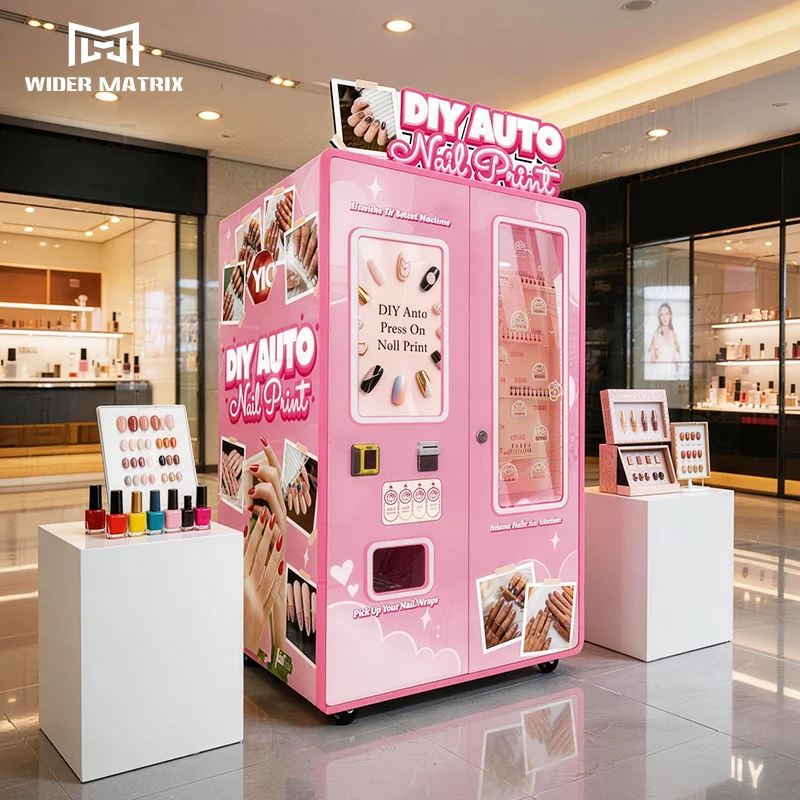
The beauty industry is shifting. Consumers, especially Gen Z and Millennials, crave instant gratification and unique, personalized experiences. They’re scrolling social media, see a trendy nail design, and want it now—not an appointment two weeks out. A nail vending machine sits perfectly at this intersection of convenience, personalization, and impulse purchase.
Think about high-traffic locations: university campuses, shopping malls, airports, train stations, and large apartment complexes. These are places filled with people who have a few minutes to spare and disposable income for a small luxury. The machine isn’t competing with high-end salons; it’s capturing a completely different transaction—the “I want something fun right now” market. This demand is global and growing.
💡 Key Takeaway: Your success hinges 90% on location. Scout for spots with captive, bored audiences and high foot traffic, not just any busy area.
The Investment Breakdown: Your Startup Costs
Let’s get specific. A common mistake is only budgeting for the machine itself. Your total startup capital needs to cover everything. Based on current market data for a professional-grade machine, here’s a realistic breakdown:
| Cost Category | Estimated Amount (USD) | Details & Notes |
|---|---|---|
| Machine (Professional Grade) | $5,800 – $6,500 | This is your core asset. Prices vary based on features like AI positioning and print quality. |
| Shipping & Logistics | $900 – $1,500 | Varies by region. North America typically falls in this range. Always get a firm quote. |
| Payment System Integration | $300 – $500 | Essential for cashless payments (card/tap-to-pay). Systems like Nayax are industry standards. |
| Initial Inventory & Consumables | $2,000 – $3,000 | Nail sets, tool kits, and ink. Buying in bulk from your supplier drastically reduces unit cost. |
| Location Fee / Revenue Share | Variable | Could be a flat monthly rent or 10-20% of gross sales. Negotiate this hard. |
| Total Estimated Startup | $10,000 – $12,500 | A realistic buffer is crucial. Don’t start undercapitalized. |
Notice what’s not on there? Salaries. That’s the magic of a true passive income model. Your main ongoing costs are restocking inventory and the location fee.
Revenue & ROI: The Realistic Math
Here’s where we separate fantasy from reality. You’ll see claims of “get rich quick,” but sustainable success comes from steady operations.
Now, let’s model your payback period:
These are realistic, conservative estimates. A phenomenal location in a mega-mall could do 30+ sales daily, paying back faster. A slower spot might take 4-6 months. The key is that the math works even at modest sales volumes.
💡 Practical Advice: Before buying a machine, physically count foot traffic at your potential location for a week. Estimate a conservative 1-3% conversion rate to project sales.
The Pros and Cons: An Honest Look
The Advantages (Beyond the Money):
The Challenges (What They Don’t Always Tell You):
Franchise vs. Independent: Choosing Your Path
This is a major crossroads.
Which is better? If you’re a complete novice who values hand-holding and a proven system, a reputable franchise might be worth the cost. If you’re entrepreneurial, resourceful, and want to keep maximum profit, going independent is the path. Many successful operators start independent to learn the ropes, then scale from there.
💡 Critical Info: If going independent, your machine supplier is your most important partner. Prioritize technical support and machine reliability over saving a few hundred dollars on the purchase price.
Step-by-Step Guide to Getting Started
Common Pitfalls to Avoid
💡 Final Verdict: This investment is best for hands-on entrepreneurs who understand retail logistics, not for those seeking completely effortless money. Do the groundwork, and the returns can be exceptional.
Frequently Asked Questions (FAQ)
Q1: How much money can I really make with a nail vending machine?
A: It’s highly location-dependent. With a profit of ~$14 per sale, a good location doing 10-20 sales daily can generate $140-$280 in daily profit. After covering location fees and restocking costs, monthly net profits of $2,500-$6,000 are realistic for a single well-placed machine.
Q2: How often do I need to restock the machine?
A: A standard machine holds 500-720 nail sets. At 20 sales per day, you’ll need to restock every 25-35 days. Remote monitoring alerts you when inventory is low, so you can plan your restocking trips efficiently.
Q3: What are the biggest hidden costs?
A: Beyond the initial investment, watch for: credit card processing fees (2-3% per transaction), location commission (10-20%), unexpected repair costs (mitigated by a good warranty), and increased insurance premiums for commercial equipment.
Q4: Is technical knowledge required to operate one?
A: Not really for daily operation. Modern machines are designed for simplicity. However, you should be comfortable with basic troubleshooting (rebooting the machine, clearing a minor jam) and using a smartphone app to monitor sales. Your supplier should provide full training and support.
Q5: Can I customize the designs offered?
A: Absolutely. Most professional machines, like our WM860 model, offer two paths: a library of 40-50 pre-loaded popular styles, and a “custom upload” function where customers can print their own images via a QR code, which is a huge selling point.
Q6: How do I find and secure a good location?
A: Start with places you know have your target demographic: malls, colleges, large gyms, airports. Reach out to property management with a professional proposal highlighting the benefit to their tenants/visitors and be prepared to offer a revenue share. Start local and leverage any personal connections.
Q7: What happens if the machine breaks down?
A: This is why your choice of supplier is critical. A reputable supplier offers a comprehensive warranty (typically 1 year on parts), lifetime technical support, and often remote diagnostic tools. Downtime is lost revenue, so prioritize suppliers known for reliable after-sales service.
Q8: Are nail vending machines still a trending business, or is the market saturated?
A: The market is far from saturated. While growing in popularity, penetration is still low in most regions. The trend towards convenience and instant beauty is accelerating, not slowing down. The key is finding an untapped premium location rather than competing in an already-served area.
Expert Quote
“Evaluating a nail vending machine investment requires a shift from an ‘owner’ mindset to a ‘portfolio manager’ mindset. The unit economics are compelling, but the real scalability comes from systems and partnerships. The machine’s quality and your supplier’s support network are your foundation. I’ve seen operators fail by choosing the cheapest equipment, only to lose more in repair costs and lost reputation than they ever saved. Conversely, those who invest in reliable, high-uptime technology from certified suppliers and meticulously manage their location partnerships build profitable, scalable portfolios. It’s a logistics and relationship business that happens to dispense beauty products.”
— Elena Rodriguez, Retail Automation Consultant & Former Chain Operations Manager
—