Nail Art Vending Machine for Shopping Malls: The 2026 Profit & Placement Guide
A nail art vending machine for shopping malls can generate an average of 20-50 sales per day, with a typical payback period of just 31 days. That’s the kind of data that gets a mall manager or entrepreneur’s attention. This isn’t just another gimmick—it’s a high-margin, automated retail solution perfectly suited for high-traffic environments where impulse buys and experiential shopping thrive. Let’s cut through the generic supplier lists and dive into what it really takes to make this venture successful in a shopping mall.
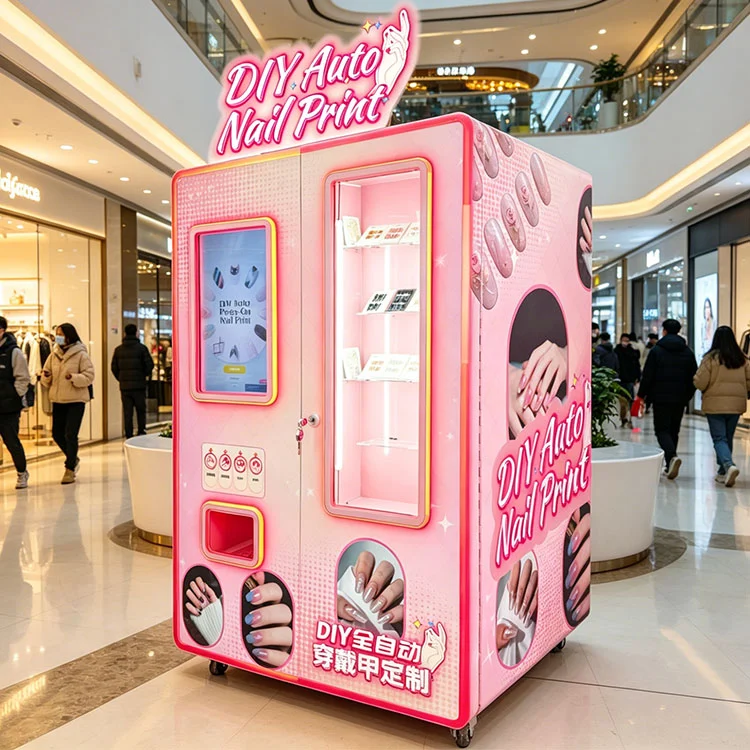
Think about the last time you wandered through a mall. You’re there to browse, to be entertained, and yes, to make unplanned purchases. Malls deliver a captive audience with disposable income and time to spare. For a nail art vending machine, this is prime territory.
The foot traffic is already there. Placing a sleek, interactive machine near food courts, cinema entrances, or popular beauty retailers puts your product directly in the path of your ideal customer: someone looking for a quick, fun, and affordable beauty treat. It’s an impulse purchase that feels like a personalized experience, not just a transaction. This model complements the mall ecosystem by offering a modern, tech-driven service that traditional kiosks or stores can’t match in terms of 24/7 availability and low operational overhead.
💡 Key Takeaway: Your success hinges on location. Negotiate for spots with the highest dwell time, not just the highest foot traffic. Near seating areas or restrooms can be goldmines.
Beyond the Price Tag: A Realistic ROI Breakdown for Malls
Anyone can find a machine price online. But can you find a clear, mall-specific profit model? Let’s build one.
Start with the investment. A professional-grade machine like our WM860 model has an official price of $5,800. You need to budget for shipping, a robust payment system (like Nayax for cashless options), initial inventory, and potentially a monthly space rental fee to the mall. All-in, your startup capital might range from $10,000 to $15,000.
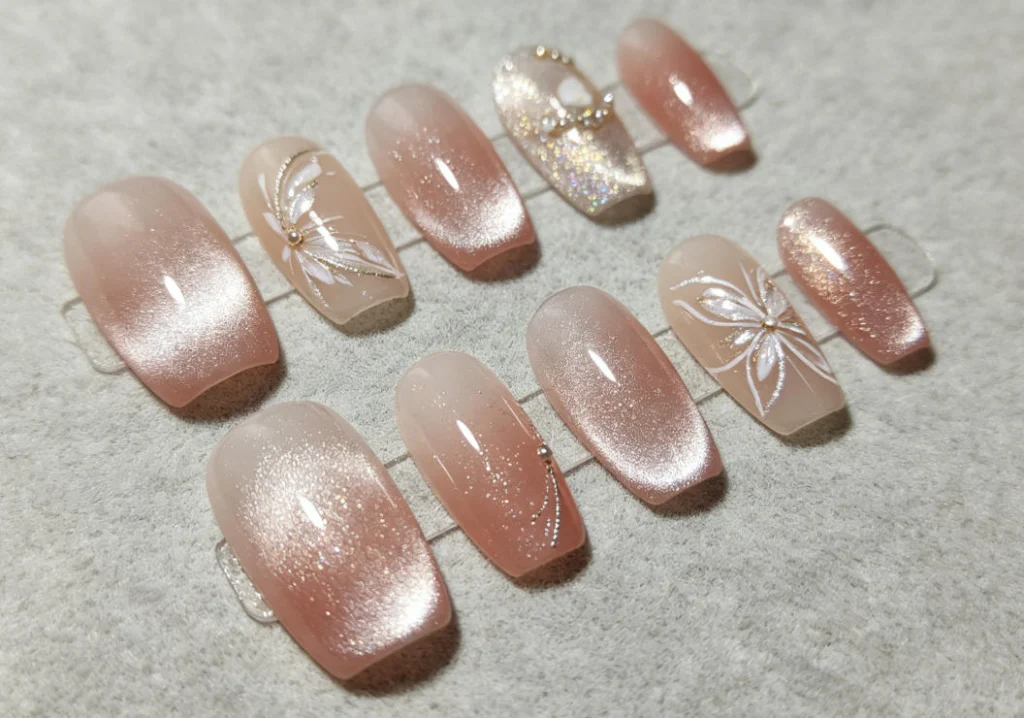
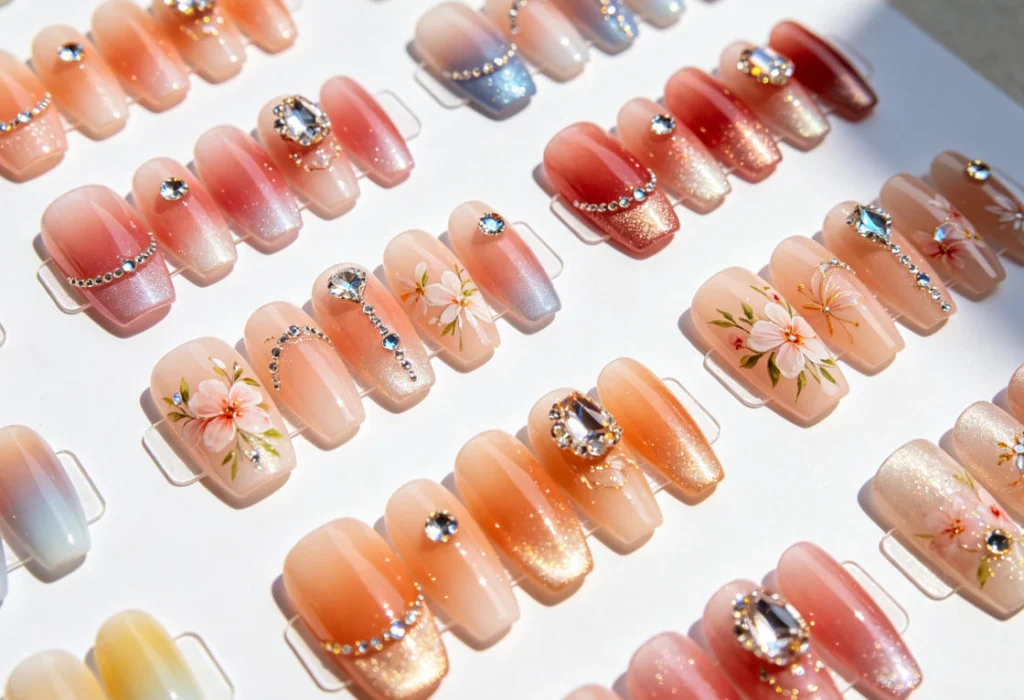
Now, the revenue. Each press-on nail set costs you about $1.017 to produce (including the nail set, ink, and tool kit). Selling it at a mall-appropriate price of $14.99 gives you a profit of roughly $13.98 per sale. Here’s where the mall traffic works for you:
This doesn’t even factor in upselling custom designs or adding complementary products like false eyelashes, which the machine can also handle.
💡 Critical Info: Always model your ROI including the mall’s cut. Whether it’s a flat rental fee or a revenue share, this is your single biggest operational cost and must be factored in from day one.
The Mall-Ready Machine: Selection Criteria Everyone Misses
Supplier directories list specs—size, weight, screen size. But for a mall, you need to think about durability, user experience, and management.
💡 Practical Advice: Prioritize suppliers who offer comprehensive after-sales support and a clear warranty. A one-year parts warranty with lifetime technical support is a strong indicator of a manufacturer that stands behind its product for the long haul.
From Negotiation to Launch: Your Mall Implementation Checklist
This is the practical guide you won’t find on a B2B marketplace.
Choosing Your Partner: More Than Just a Price
When evaluating manufacturers, look for proof of real-world reliability. Since 2016, our focus at Wider Matrix has been on perfecting automated retail solutions. We’ve learned that what happens after the sale defines success. That’s why our machines are built with commercial endurance in mind and carry international certifications like CE, UKCA, and RoHS—a baseline of quality and safety any mall operator will appreciate.
Beyond the hardware, ask about software updates, technical support time zones, and availability of spare parts. A supplier with a track record of exporting to over 130 countries (we’ve shipped over 3,000 machines globally) typically has the supply chain and support infrastructure to back you up when you need it.
💡 Caution: The cheapest machine is often the most expensive. Low upfront cost can mean higher failure rates, costly downtime, and poor print quality that damages your reputation in the mall. Invest in reliability.
Frequently Asked Questions (FAQ)
How much does a nail art vending machine for a mall cost?
The machine itself can range from $5,800 to $8,000 for a professional model. Your total startup budget, including shipping, payment systems, initial inventory, and potential mall fees, should be between $10,000 and $15,000.
What kind of profit can I expect?
With a per-sale profit of around $14 and mall-level foot traffic, 20-35 sales per day is a realistic target. This can lead to a payback period of 18-31 days and monthly profits of $8,400+ after the machine is paid off.
How do I convince mall management to allow it?
Present it as a low-maintenance, high-tech amenity that enhances customer experience. Bring data on ROI, emphasize the aesthetic design of the machine, and be flexible on revenue-sharing or rental terms.
How often do I need to restock the machine?
A machine with a 720-nail-set capacity, selling 20-30 sets a day, will need restocking roughly every 3-4 weeks. Remote inventory tracking makes this easy to plan.
Is the printing quality good enough for beauty customers?
Yes, if you choose the right machine. Look for industrial-grade UV printing (600DPI or higher) that delivers smudge-proof, salon-quality prints. Avoid consumer-grade printers that produce faded or low-resolution designs.
What are the main technical requirements for installation?
You need a standard electrical outlet (110V/220V) and a stable Wi-Fi connection for the machine’s payment system and remote management platform. The floor space required is approximately 1.2m wide by 1m deep.
Can the machine offer custom designs?
Absolutely. The best machines allow customers to upload their own images via a QR code scan. The system then prints that design directly onto a blank nail set, offering true personalization.
Expert Quote
“The integration of automated retail into shopping malls isn’t a trend—it’s an evolution. The nail art vending machine succeeds because it merges impulse purchase psychology with a high-margin, customizable product. However, operators often underestimate the operational rigor required. The choice of supplier is critical; it’s a partnership. You need a manufacturer whose equipment is certified for public use and whose support structure can minimize downtime. In a mall environment, every hour of malfunction is a direct hit to your credibility with both customers and management. The long-term winner isn’t the cheapest machine, but the most reliable one backed by a global support network.”
— Alex Chen, Senior Retail Automation Consultant
—