What Is the Most Profitable Item for Vending Machines? The 2026 Data-Driven Guide
What is the most profitable item for vending machines? The answer isn’t a single product, but a strategic combination of high-margin items, smart location placement, and operational efficiency that can yield profit margins from 65% to over 90%. For a new operator, classic snacks and drinks offer reliable returns, but the real profit leaders are often specialized machines in high-traffic areas, where a single sale can net over $13 in pure profit.

Let’s cut through the hype. Everyone talks about “best-selling” items, but that’s not what you asked. You asked about profitability. That’s a different beast—it’s about what’s left in your pocket after costs. A high-turnover bag of chips might bring in steady cash, but a custom-printed phone case sold less frequently can deliver a much fatter margin. Your location decides everything. A bottle of water in a gym is gold; in an office with a free water cooler, it’s a dud.
So, we need to talk about the framework first. Profitability isn’t magic—it’s math. You’re balancing three things: Gross Margin, Turnover Rate, and Location Synergy.
Get one or two of these right, and you’ll do okay. Nail all three, and you’ve got a winner. Let’s apply this to the real world.
💡 Key Takeaway: Stop just thinking about products. Start thinking about “Product + Place.” The right item in the wrong spot will never be profitable.
To make this practical, let’s break down items by category. Think of this as your menu, with notes on where each dish performs best.
| Category | Top Contender | Est. Avg. Gross Margin | Best Location Type | Key Consideration |
|---|---|---|---|---|
| Drinks & Snacks | Bottled Water | 65% – 75% | Gyms, Parks, Transit Hubs | Ultra-high turnover, low cost basis. |
| Energy Drinks | 50% – 60% | College Campuses, Truck Stops | Premium price point, dedicated consumer base. | |
| Potato Chips/Candy | 40% – 50% | Offices, Factories | Consistent demand, but margin is lower. | |
| Healthy/Fresh | Protein Bars | 60% – 70% | Gyms, Yoga Studios | Aligns with wellness trends, commands higher price. |
| Fresh Fruit | 60%+ | Hospitals, Corporate Lobbies | High perceived value, but watch spoilage closely. | |
| Specialty Vending | Custom Phone Cases | 80% – 85% | Malls, Airports, Universities | High impulse buy potential for a personalized product. |
| Press-On Nail Sets | ~87% | Malls, Salons, Beauty Schools | Extremely high margin on a low-cost consumable. | |
| Fresh Cotton Candy | 93% – 97% | Amusement Parks, Stadiums, Festivals | Experience-driven purchase with minimal ingredient cost. |
See the pattern? The classic bulk vending items are your reliable “bread and butter.” They’ll keep the lights on. But the right side of that table—the specialty items—is where profitability can skyrocket. Why? They solve for all three profitability factors: exceptional margin, decent turnover in the right spot, and perfect location synergy (who thinks about nails until they’re walking past a machine in a mall?).
💡 Practical Advice: Don’t just copy a generic product list. Visit your potential location and observe for an hour. What are people carrying? What do they look like they need? That’s your real-time market research.
Case Study: The Nail Machine in a Midwest Mall
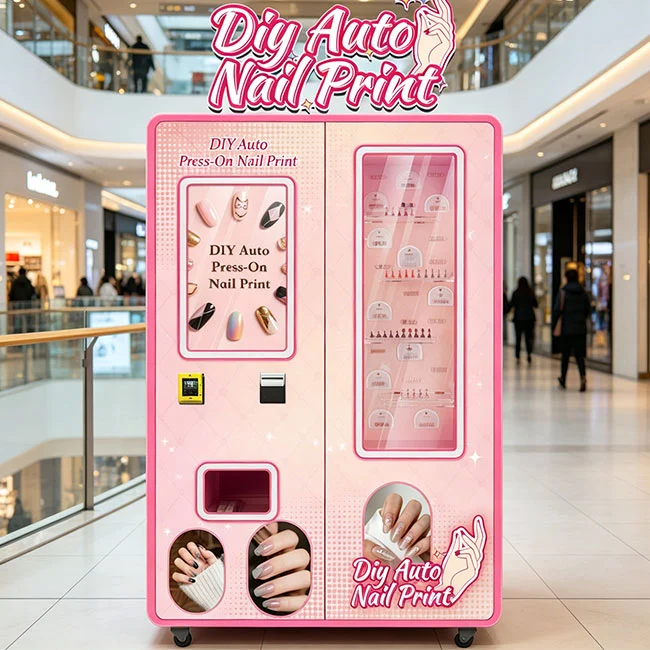
Let’s make this real. Imagine a WM860 DIY Nail Vending Machine placed in a busy suburban mall. The unit cost for a set of press-on nails is about $1.02 (including the nails, ink, and tool kit). It retails for $14.99.
That’s a profit of roughly $13.97 per sale, at an 87% margin. Now, let’s be conservative and say it sells 20 sets on a slow day. That’s $279.40 in daily profit. Even with a machine investment around $5,800, the ROI period can be under a month in a prime spot. The machine works 24/7, requires no staffing, and the AI-powered system ensures each print is perfectly aligned—no wasted materials. This isn’t theoretical; it’s the math that makes specialty vending so compelling.
The lesson here? The “most profitable item” might actually be a “most profitable machine” dedicated to a high-margin, in-demand niche.
The Operational Lever: How to Squeeze More Profit from Any Item

Your product choice is only half the battle. Your operations determine if you keep those margins.
💡 Critical Info: Your biggest hidden cost is downtime. A machine that’s broken or empty isn’t just not earning—it’s training customers to ignore it. Prioritize equipment reliability and remote management features.
The Trust Factor: Why Your Supplier Matters as Much as Your Product
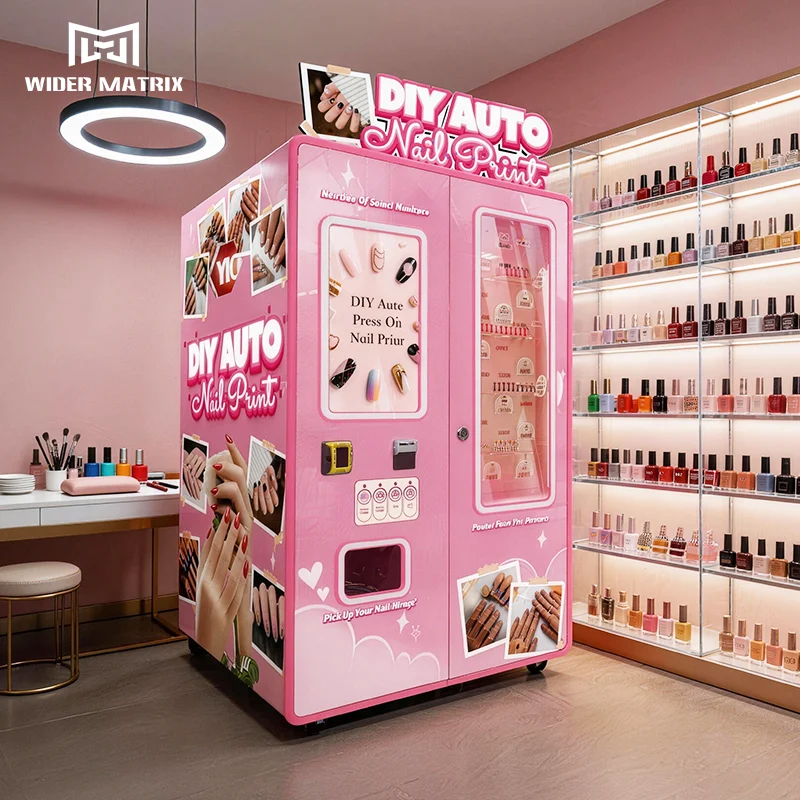
You can have the perfect product plan, but if your machine breaks down in week two, your profits vanish. This is where experience and credibility are non-negotiable.
When evaluating a machine—especially for a specialty venture—look beyond the brochure. Ask about the software infrastructure (is it on a stable cloud platform like AWS?), the quality of components, and the real after-sales support. Are there international certifications (CE, UKCA, RoHS)? These aren’t just stickers; they’re indicators of a product built to last and meet global safety standards.
In our 8 years focused on vending automation, we’ve seen that long-term profitability is built on reliability. A machine that’s consistently operational, with a supply chain that delivers consumables on time and a support team that answers the phone, is what turns a good ROI calculation into real, sustained profit.
FAQ: Your Profitability Questions Answered
Q1: Is bottled water really the most profitable drink?
A: By margin percentage, often yes. Its cost is extremely low, and demand is universal in the right settings. However, energy drinks, while a slightly lower margin, can have a higher profit per unit because of their higher retail price. It’s about balancing margin and absolute dollar profit.
Q2: How important is it to offer healthy options?
A: Increasingly vital. While traditional snacks sell, a segment of consumers actively seeks healthier choices. Offering protein bars, nuts, or even fresh fruit can attract new customers and allow you to command a premium, often improving your overall margin mix.
Q3: What’s the biggest mistake new operators make?
A: Choosing products based on their preferences, not the location’s demographics. Stocking energy drinks in a senior center or dried fruit in a high school won’t work. Always let location data drive your initial inventory.
Q4: Are frozen or refrigerated machines worth the extra cost?
A: They can be, but the barrier is higher. Ice cream or fresh food vending offers excellent margins, but you have higher equipment costs, energy consumption, and more complex inventory management due to spoilage. Start with ambient snacks/drinks to learn the ropes.
Q5: How do I calculate the true profit of an item?
A: Use this formula: (Retail Price – Wholesale Cost – Location Commission) / Retail Price. That’s your net margin. Then multiply by your estimated weekly sales. That’s your net profit projection. Don’t forget to factor in the cost of your restocking time and travel.
Q6: Should I consider non-food vending?
A: Absolutely. Electronics accessories (phone chargers, headphones), beauty products (nail sets, lip balm), or even over-the-counter medicine in travel hubs can be incredibly profitable. They have long shelf lives, high margins, and meet immediate, urgent needs.
Q7: How often should I change my product mix?
A: Review sales data monthly. If an item hasn’t sold in 45-60 days, replace it. Seasonality matters too—stock hand warmers in winter and sunscreen packets in summer at appropriate locations. Your machine’s data is your best guide.
Expert Insight
“The pursuit of the ‘most profitable item’ is really the pursuit of the most efficient capital deployment in vending,” says Michael Chen, a supply chain analyst specializing in retail automation. “We consistently see that operators who focus on total system efficiency—combining high-margin specialty products with ultra-reliable, connected hardware—outperform those chasing fads. The machine’s uptime, the cost of consumables, and the flexibility to adapt to location needs are the unsung heroes of profitability. A 90% margin means nothing if the machine is down 20% of the time. The real profit leaders invest in quality infrastructure from the start.”