Choosing between a Chinese and a U.S. supplier for your nail vending machine is one of the most critical decisions for your business. This isn’t just about finding a vendor; it’s a strategic sourcing choice that impacts your upfront investment, long-term profitability, and operational peace of mind. While B2B marketplaces list countless options and forums are filled with fragmented advice, a clear, side-by-side comparison is hard to find. This guide cuts through the noise, providing a data-driven, unbiased analysis to help you make an informed decision in 2026.
The fundamental choice boils down to Cost vs. Control.
Chinese Suppliers: Typically offer a lower upfront unit cost and highly customizable hardware. The trade-off involves navigating longer lead times, international logistics, and the crucial task of vetting for quality and reliable after-sales support.
U.S. Suppliers: Provide faster delivery, easier communication, and often simpler warranty service. This convenience usually comes with a higher price tag per unit and potentially less flexibility for deep hardware customization.
Your ideal path depends on your capital, risk tolerance, technical expertise, and timeline.
The Total Cost Breakdown: Beyond the Sticker Price
Comparing only the FOB (Free On Board) price is a common mistake. You must calculate the Total Landed Cost.
1. Unit Price & MOQ:
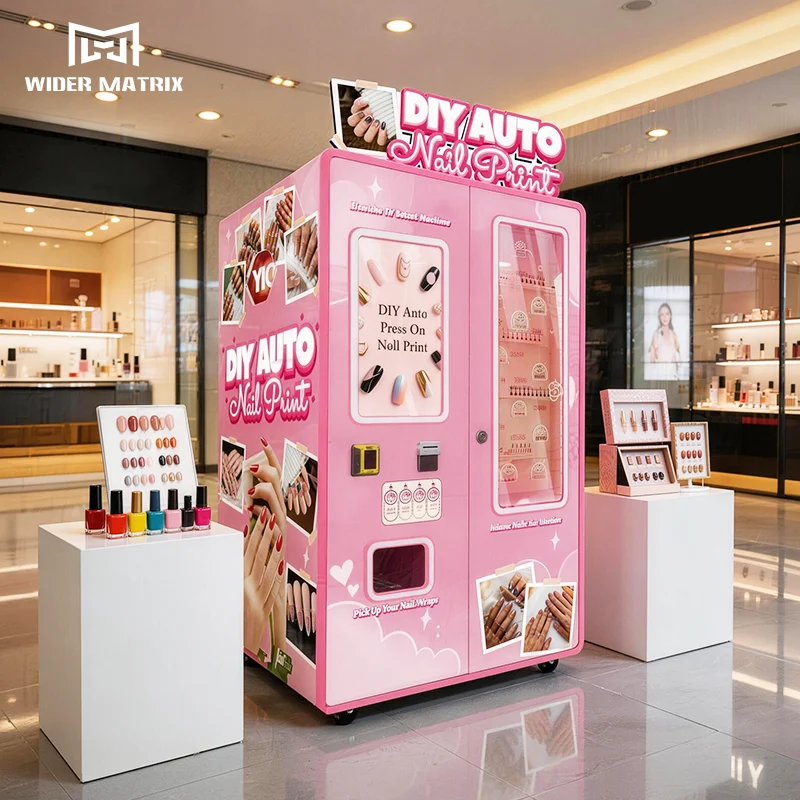
China: Attractive base prices. For a commercial-grade machine like a Wider Matrix WM860 DIY Nail Print Vending Machine, the official price direct from a manufacturer might be $5,800. MOQs can be as low as 1 unit for established suppliers, but better per-unit pricing kicks in with volume orders.
USA: Prices are generally 20-50% higher for a comparable machine. This incorporates domestic labor, overhead, and the supplier’s own import costs if they source components globally. MOQs are often flexible (1 unit).
2. Shipping, Duties & Logistics:
From China: Sea freight for a single machine to North America costs $900-$1,300, including initial inventory. Add 2-5% import duties (HTS code 8476.89.0000 for automatic vending machines) and port fees. Transit time is 30-45 days. Air freight is faster (5-10 days) but can double shipping costs.
From USA: Domestic freight is significantly cheaper and faster ($200-$600, 3-10 days). No import duties apply.
3. The Hidden “Soft Costs”:
Quality Control (China): Budget $300-$800 for a third-party pre-shipment inspection unless the supplier provides certified reports.
Payment Security: Letters of Credit (common with China) incur bank fees. Wire transfers carry risk without trust.
Sample Cost: Always order a sample. Shipping a single machine sample from China is costly but non-negotiable.
Quality & Technology Comparison: Perception vs. Reality

The stereotype of “cheaper Chinese quality” is outdated, but due diligence is paramount.
Hardware & Durability: Leading Chinese manufacturers serving global markets use the same industrial-grade components (Siemens PLCs, Mitsubishi motors) as Western counterparts. The key differentiator is international certification. Reputable suppliers will have CE, UKCA, FCC, and RoHS certifications. For instance, our machines are built to these standards, ensuring safety and market access in the US, EU, and beyond.
Software & Innovation: This is a major differentiator. Chinese tech firms often innovate rapidly. For example, our WM860 features AI smart recognition for automatic nail positioning—a feature that eliminates manual alignment errors common in older machines. Compare software update policies, cloud management platforms (we use AWS for stability), and UI/UX. Does the supplier offer a robust, remote monitoring system?
Consumables & Profit Margin: Analyze the total cost per sale. A machine is a vessel for profit. Our consumable cost is $1.017 per nail set (nail set + ink + tool kit), leading to an 87% profit margin at a $14.99 retail price. Ensure your supplier provides a reliable, cost-effective supply chain for inks and nail blanks.
Logistics & Lead Time Reality Check
Your business launch depends on this timeline.
China: Production lead time: 15-30 days after deposit. Shipping: 30-45 days by sea. Customs Clearance: 3-7 days. Total to your door: 60-90 days. Plan for contingencies.
USA: Production/Assembly: 10-20 days. Domestic Shipping: 3-10 days. Total to your door: 15-40 days.
After-Sales Support & Warranty Deep Dive
This is where the risk gap is most significant.
Local US Supplier: Support is in your timezone. A technician might be dispatched within days. Warranty repairs are straightforward but may involve shipping the entire machine.
Chinese Supplier: The model varies. Avoid suppliers who disappear after shipment. Professional manufacturers have structured global support. For example, we provide 24/7 remote technical support via a three-shift engineer team, a 1-year warranty with non-man-made damage parts shipped by air at our cost, and a lifetime of technical guidance. The protocol for hardware failures must be clear:他们会提供详细的故障诊断视频,并优先快递发送替换部件,指导 you through the repair.
How to Vet a Supplier: Your Due Diligence Checklist
For Chinese Suppliers:
Verify Business Licenses: Ask for the official Chinese business license.
Demand Certifications: Request copies of CE, FCC, etc., with valid scope and dates.
Video Verify the Factory: Request a live video tour of the production facility.
Check Export History: Ask for evidence of shipments to your region (BL copies). A supplier with over 3,000 machines exported to 130+ countries has proven logistics and adaptation experience.
Contact Existing Clients: Ask for references from clients in your country.
Test Communication: Gauge responsiveness and technical English proficiency.
Review Contract Terms: Ensure warranty, payment terms, and liability are clear.
For US Suppliers:
Identify the Origin: Are they a manufacturer, assembler, or reseller of imported machines?
Request a Demo: Physically test the machine if possible.
Verify Service Network: How many technicians do they have? What is the average response time?
Check Company Longevity: How long have they been in business?
Review Parts Inventory: Do they stock critical spare parts domestically?
Decision-Making Framework: Which Path is Right for You?
Choose a Chinese Supplier IF:
You are cost-sensitive and need the lowest upfront investment.
You require deep hardware or software customization.
You have a longer timeline (3+ months to launch).
You (or your partner) are comfortable managing international logistics and vetting suppliers thoroughly.
Choose a U.S. Supplier IF:
Your budget allows for a premium for convenience and speed.
You need the machine operational within 4-6 weeks.
You prioritize having a local phone number to call for immediate support.
You are uncomfortable with international transactions and logistics.
Frequently Asked Questions (FAQs)
Q: Is it safe to wire money to a Chinese supplier?
A: It carries risk. Always start with a small sample order. Use secure payment methods like Alibaba Trade Assurance or Letters of Credit for large orders. Verify the company’s legitimacy thoroughly before any payment.
Q: Can I get the same machine quality from China as from the USA?
A: Yes, but you must source from a top-tier manufacturer, not a trading company. Focus on suppliers with R&D capabilities, in-house production, and international certifications. The difference is often in the supplier selection process, not the potential quality ceiling.
Q: What about tariffs when importing from China?
A: As of 2026, automatic vending machines generally fall under HTS 8476.89.0000, with a typical duty rate of 2-5%. Always consult with a licensed customs broker for the exact rate applicable to your shipment.
Q: How do I handle repairs if I buy from China?
A. Work with a supplier that has a clear, documented support protocol. The best offer comprehensive remote support, detailed repair manuals and videos, and will express ship replacement parts directly to you, guiding you through the installation. This minimizes downtime effectively.
Q: Do Chinese suppliers offer payment system integration for my country?
A. Professional suppliers do. For example, our machines can be pre-configured with popular payment solutions like Nayax or integrate with local coin/bill acceptors, ensuring compatibility in your target market.
Conclusion & Your Next Steps
The “best” supplier is the one that aligns with your specific business model, capabilities, and risk profile. There are excellent and unreliable suppliers in both China and the USA.
For entrepreneurs who value cutting-edge technology, customization, and maximizing ROI through lower capital expenditure, partnering with an experienced, globally-focused Chinese manufacturer can be a powerfully strategic move. It requires more upfront diligence but can yield a superior, cost-effective solution. Since entering the automation industry in 2016, our focus has been on developing reliable, innovative vending solutions supported by a robust global supply chain and certified quality, serving clients from the US and Canada to Europe and the Middle East.
For those who prioritize speed-to-market and proximity above all, a reputable US supplier is the straightforward choice.
Your Action Plan:
Define Your Priorities: Rank cost, speed, support, and customization.
Shortlist Suppliers: From both regions, using the vetting checklist above.
Request Detailed Proposals: Include total landed cost, warranty terms, and support details.
Order a Sample: This is the single most important step before any bulk commitment.
Ready to dive deeper into technical specifications and receive a detailed ROI analysis based on your target location? Contact our solutions team for a customized comparison and procurement checklist tailored to your nail vending business plan.
—