Can I Start a Beauty Vending Machine Business? Yes, Here’s How
Yes, you can start a beauty vending machine business with an investment starting around $8,700 for a single nail art vending machine like the Wider Matrix WM860. This machine prints custom designs on press-on nail sets and dispenses them in under 5 minutes, earning up to 87% profit margins per sale. It’s a fully automated, 24/7 operation that requires no staff, no salon space, and no beauty license to run.
What Exactly Is a Beauty Vending Machine Business?
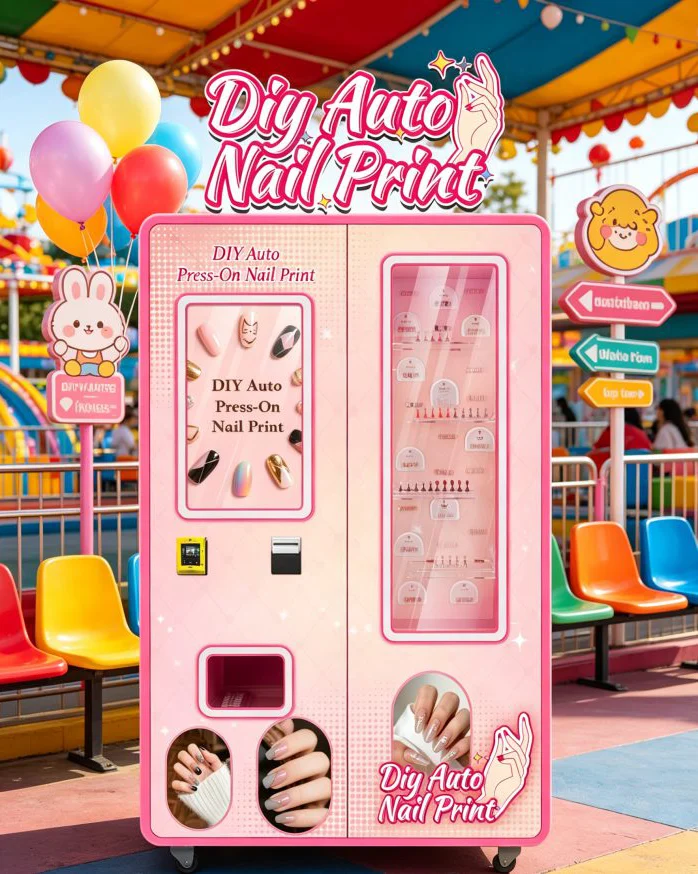
Beauty vending machines are self-service kiosks that dispense beauty products or services. The most popular types are nail art vending machines that print custom press-on nail sets, but you’ll also find machines selling false eyelashes, cosmetics, and skincare. Unlike traditional vending that just drops a packaged product, these machines offer personalization — a huge draw for today’s consumers who want something unique and fast.
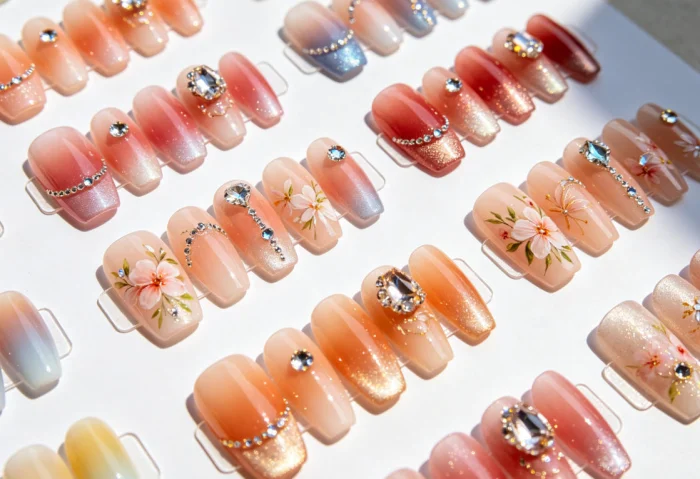
For example, the Wider Matrix WM860 lets customers choose a nail design from 48 built-in styles or upload their own photo, then the machine prints and cures the design onto press-on nail sets in 30 seconds. The whole experience takes about 5 minutes. No nail technician needed. No appointment. Just a credit card swipe and a custom product.
💡 Operator Insight: Don’t confuse beauty vending with salon services. You’re selling a physical product (press-on nails), not a service. That means no licensing headaches, but you do need to manage inventory and machine maintenance like any other vending business.
How Much Does It Cost to Start a Beauty Vending Machine Business?
Here’s a realistic breakdown for a single nail art vending machine setup:
| Item | Cost (USD) |
|---|---|
| Machine (WM860) | $5,800 |
| Shipping (North America) | $1,100 |
| Payment System (Nayax) | $400 |
| Initial Inventory (1,000 nail sets) | $1,000 |
| Ink Cartridges (2 sets) | $170 |
| Tool Kits (glue, etc.) | $200 |
| Total | $8,670 |
That’s your baseline. If you want a second machine or a different location, multiply accordingly. Compared to opening a nail salon (easily $50k+), it’s a fraction of the cost.
What’s the Profit Potential of a Nail Art Vending Machine?
Profit margins are the real story here. Each press-on nail set costs you about $1.20 (including the set, ink, and tool kit). You sell it for $14.99. That’s a gross profit of $13.79 per sale — a 92% margin.
Now, let’s talk daily sales. In a high-traffic mall, operators report 20 to 50 sales per day. Here’s what that looks like monthly:
- 20 sales/day: ~$7,800/month profit
- 35 sales/day: ~$13,650/month profit
- 50 sales/day: ~$19,500/month profit
📍 Location Alert: These numbers assume a prime location. If you place your machine in a low-traffic area, expect 5-10 sales per day. Location is everything — don’t skip the footfall analysis.
Some operators have hit payback in as little as 12 days at 50 daily orders. More typically, you’re looking at about a month to recoup your investment. That’s faster than most traditional vending machines.
Where Should You Place a Beauty Vending Machine?
Not all locations are created equal. The best spots have high foot traffic, a demographic that values beauty products, and dwell time for impulse buying. Top performers include:
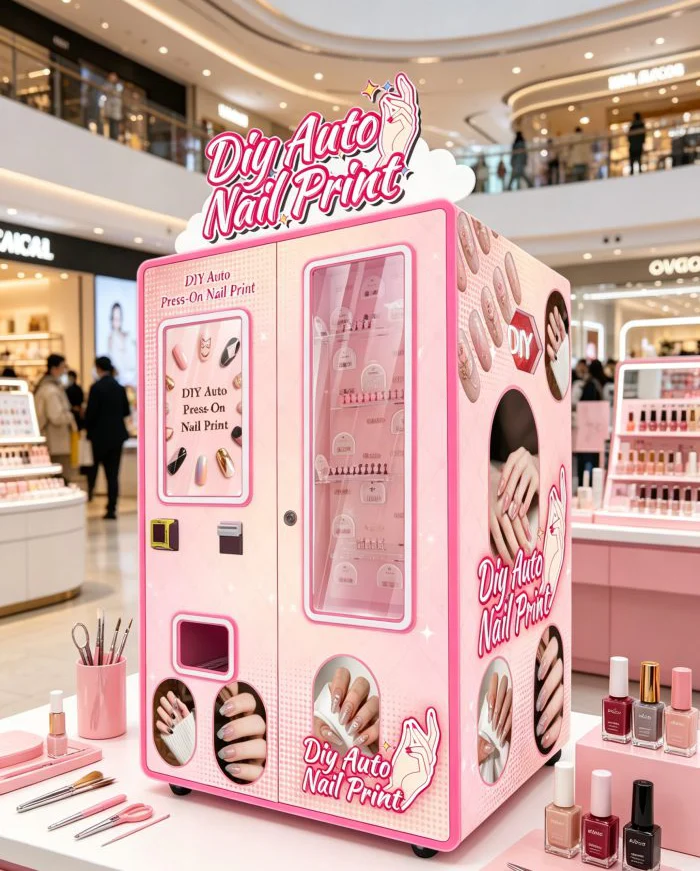
- Shopping Malls: Especially near beauty stores or food courts. Some malls see 80+ daily orders.
- Airports: Travelers with time to kill and high disposable income. You can price 30% higher here.
- Tourist Attractions: Impulse purchase rates hit 65% in these areas.
- College Campuses: Young women love custom nail art, and footfall is consistent.
- Hotels & Resorts: Guests want unique experiences and souvenirs.
I’ve seen machines in movie theaters and entertainment centers do well too. The key is to negotiate a revenue share or flat rental fee with the venue owner — typically 10-20% of gross sales.
What’s the Day-to-Day Operation Like?
Week one: you’ll be excited, checking the machine daily, maybe restocking every few days. Month three: you’ve settled into a rhythm. The machine holds 720 nail sets, so refills happen every 1-2 weeks depending on sales. Ink cartridges last about 5,000 prints, so maybe once a month.
Maintenance is minimal. The machine has a self-healing system that auto-restarts after errors. But you’ll occasionally need to clear a jam or replace a printhead (about $85 every 1-2 years). The real work is location management — keeping the machine clean, stocked, and monitoring sales remotely via the IoT dashboard.
🛠️ Common Mistake: New operators forget to budget for consumables. You need a steady supply of blank nail sets, ink, and tool kits. Running out of stock on a weekend kills your revenue. Set up auto-reorder alerts.
Do You Need a License or Permit?
Because you’re selling a pre-packaged product (press-on nails), not performing a service, most places don’t require a beauty license. You’ll need a general business license and possibly a sales tax permit depending on your state or country. Health department permits are rarely needed since there’s no direct skin contact with the machine’s internals. But always check local regulations — some countries have specific rules for automated retail.
Wider Matrix machines come with CE, UKCA, RoHS, and other certifications, which helps with compliance in Europe and other regions.
How to Choose the Right Machine
Not all beauty vending machines are the same. Some just vend pre-packaged press-on nails (no customization). Others, like the WM860, print on demand. The printing model gives you a huge edge because customers love personalization — they’ll pay more and share their experience on social media.
When evaluating machines, look for:
- Print quality: 600DPI or higher for sharp designs.
- Speed: 30 seconds print and cure is industry-leading.
- Capacity: At least 500 nail sets to reduce refill frequency.
- Multi-product capability: Can it also vend false eyelashes or other items?
- IoT remote management: Real-time sales data, alerts, and remote troubleshooting.
I recommend checking out this guide on nail vending machine costs for a deeper dive into pricing and features.
Is This Business Right for You?
Beauty vending is ideal if you want a semi-passive income stream with high margins and low labor. It’s not for someone who hates tech or expects zero maintenance. You’ll need to be comfortable with basic troubleshooting, inventory management, and negotiating location deals.
It’s also a great side hustle. Many operators start with one machine while keeping their day job. Once they prove the concept, they scale to multiple locations.
💰 ROI Reality: Don’t chase the 12-day payback story unless you have a killer location. Plan for a 3-6 month payback period on your first machine. That’s still excellent compared to most businesses.
If you’re on the fence, start with a single machine in a solid location. The upfront cost is low enough that one bad placement won’t break you. Learn the ropes, then expand.
The Bottom Line
So, can you start a beauty vending machine business? Absolutely. The barriers to entry are low, the profit margins are high, and the market is growing. Nail art vending machines are the sweet spot right now — they offer customization, impulse appeal, and a great ROI. Just do your homework on location, choose a reliable machine like the Wider Matrix WM860, and treat it like a real business. You could be profitable in your first month.
Frequently Asked Questions
How much does a nail vending machine cost?
The machine itself costs around $5,800 for the Wider Matrix WM860. With shipping, payment system, and initial inventory, the total startup cost is roughly $8,700 to $10,900 depending on your location and accessories.
Do I need a license to run a nail vending machine?
In most regions, you need a general business license and possibly a sales tax permit. Because you’re selling pre-packaged press-on nail sets, no cosmetology license is required. However, check local health department rules to be safe.
How much profit can a nail vending machine make per month?
At 20 sales per day with a $14.99 retail price, you can expect around $7,800 monthly profit. At 35 sales, that jumps to $13,650. Your actual profit depends on location, foot traffic, and pricing strategy.
Where is the best place to put a nail vending machine?
Shopping malls, airports, tourist attractions, college campuses, and hotels are top performers. Look for high foot traffic, dwell time, and a demographic interested in beauty products. Avoid low-traffic or purely utilitarian spaces like office break rooms.
How often do I need to restock a nail vending machine?
The WM860 holds 720 nail sets, so at 20-30 sales per day, you’ll need to refill every 2-4 weeks. Ink cartridges last about 5,000 prints, so roughly monthly. Tool kits (glue, etc.) need restocking every few hundred sales.
What maintenance does a nail vending machine require?
Basic cleaning, occasional printhead replacement (every 1-2 years), and software updates. The machine has a self-healing system for minor errors. Wider Matrix provides 24/7 tech support and step-by-step video guides for most repairs.
Can I upload custom designs to the machine?
Yes, customers can upload their own photos via the touchscreen or a mobile interface. The machine also offers 48 built-in styles and access to a 10,000+ design library. This personalization feature is a major sales driver.
How long does it take to get a return on investment?
In a prime location with 20-30 daily sales, you can expect payback within 1-3 months. Some operators have achieved it in 12 days at peak performance. Plan conservatively for 3-6 months on your first machine.
“The beauty vending space is still underpenetrated, especially for custom nail art. Most operators I work with see a 3-6 month payback and then scale to 3-5 machines within a year. The key is location quality and machine reliability — don’t cheap out on either. Nail vending is the closest thing to a high-margin, low-touch business I’ve seen in the automated retail world.”