Future of Automated Beauty Retail: The 2026 Guide to Smart Vending Machines
The future of automated beauty retail is projected to hit a market valuation of $13.4 billion by 2027, driven by a massive shift from traditional in-store consultations to hyper-personalized, on-demand vending experiences. This isn’t just about selling lipstick from a machine; it’s about integrating AI diagnostics, instant product customization, and frictionless payment into a single, compact footprint. We’re moving past the era of browsing aisles and entering an age where your skincare routine or nail art is printed just for you, right when you want it.
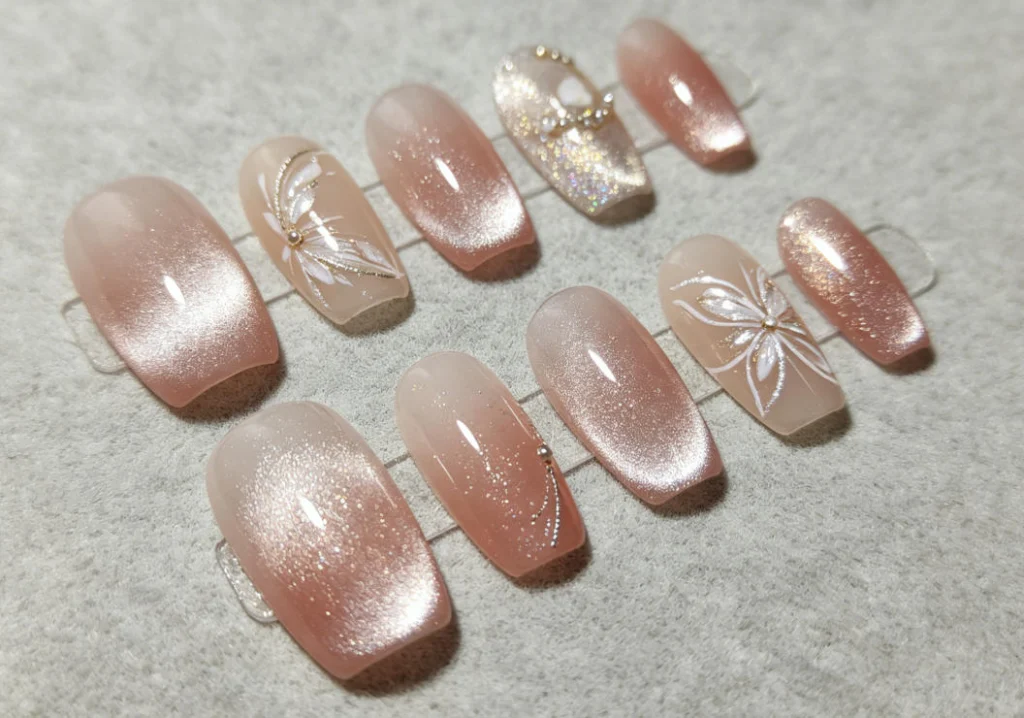
The Core Drivers: Why Automation is Winning in Beauty
Let’s be real—traditional beauty retail has some serious pain points. Long lines at the Sephora checkout, the pressure from sales associates, and the sheer overwhelm of choosing between 50 shades of foundation. Automation solves these problems elegantly.
First, there’s the demand for hyper-personalization. Consumers don’t want generic products; they want solutions tailored to their skin tone, nail shape, or hair type. Automated kiosks equipped with AI can scan your skin or let you upload a design, creating a bespoke product in minutes. This is a massive leap from the one-size-fits-all approach.
Second, operational efficiency is a no-brainer for retailers. A vending machine doesn’t call in sick, doesn’t require health insurance, and can operate 24/7. For landlords and mall operators, these machines offer a way to monetize dead space (like hallways or lobbies) without the overhead of a full store. The labor cost savings alone make the business case incredibly strong.
💡 Key Tip: Don’t just place a machine and hope for sales. The most successful automated beauty setups use data analytics to track which designs or products sell best, then rotate inventory weekly.
The Tech Stack: AI, Robotics, and Instant Printing
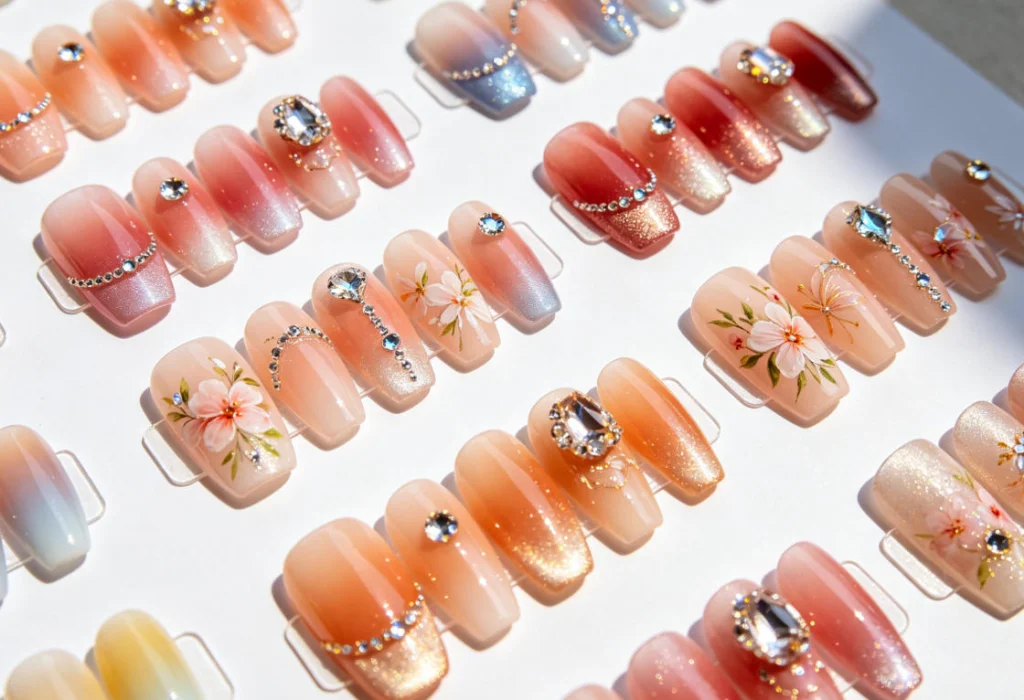
So, what does this actually look like in practice? It’s a blend of three key technologies that are finally mature enough for mainstream adoption.
1. AI-Powered Diagnostics and Recommendation
The dumb vending machine is dead. The future uses computer vision. Imagine a machine that scans your face to recommend a moisturizer, or analyzes your nail bed shape to suggest the best press-on fit. This isn’t science fiction; it’s already happening. This technology builds trust because the machine makes a recommendation based on data, not a sales quota.
2. On-Demand Manufacturing (Printing)
This is the game-changer. Instead of stocking hundreds of pre-made units, machines like the Wider Matrix WM860 can print custom nail wraps or phone cases on the spot. This eliminates inventory risk. You don’t have to guess what will sell; you just print what the customer orders. The production cost is incredibly low—roughly $1.02 for a nail set that retails for $14.99—yielding a profit margin of over 85%.
3. IoT and Remote Management
The best machines are never truly alone. They are connected to the cloud via Wi-Fi. Operators can check inventory levels, run diagnostics, and even push software updates from their phone. If a machine jams, it sends an alert. This remote management capability is what allows a single operator to manage a fleet of 50 machines across a city without being physically present.
Real-World Applications: Beyond the Mall Kiosk
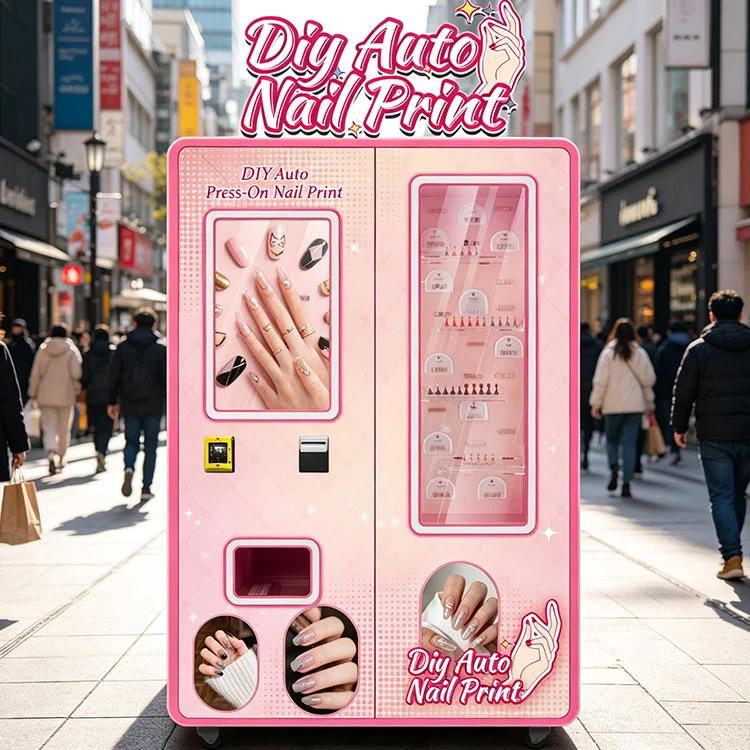
We often think of these machines in high-traffic malls, but the smartest operators are diversifying their locations.
College Campuses are a goldmine. Students are cash-strapped but image-conscious. A nail art vending machine in a student union building can see 20-30 transactions per day, especially during exam weeks when students want a quick pick-me-up without leaving campus.
Airports and Travel Hubs are another prime spot. Travelers have time to kill and often forget a beauty item. A machine offering custom phone cases or press-on nails (which are TSA-friendly) becomes an impulse buy destination. The average dwell time at a gate is 45 minutes—plenty of time for a 5-minute production cycle.
Salons and Spas are also adopting this tech not to replace staff, but to augment them. A nail salon can place a WM860 machine in the waiting area. Clients can browse styles while waiting for their appointment, and the salon sells the press-ons as retail products to take home. It’s an upsell that requires zero additional labor.
⚠️ Caution: Avoid placing these machines in low-traffic areas. A beauty vending machine needs a minimum of 500-1,000 passersby per day to hit the optimal 20-order daily average.
The Business Model: How the Numbers Stack Up
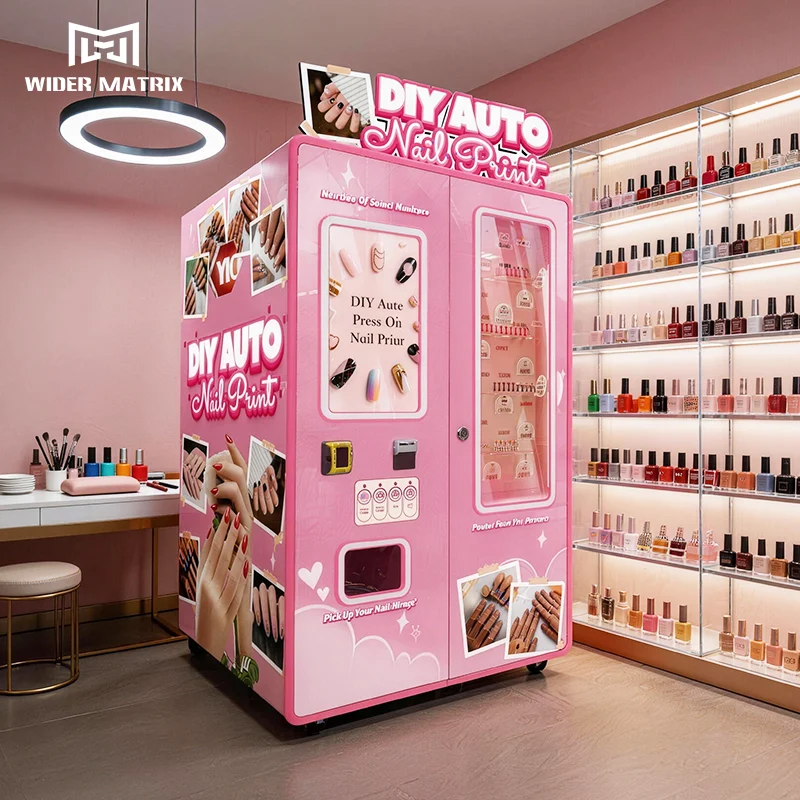
Let’s get down to the brass tacks—the money. A typical investment in a DIY auto press-on nail vending machine like the WM860 costs about $5,800 for the unit. Add shipping ($900-$1,300), a payment system ($400), and initial inventory ($2,000-$3,000), and you’re looking at a total startup capital of roughly $10,899.
Here’s where it gets interesting. The profit margin per sale is approximately 87% . With a retail price of $14.99 per set and a cost of goods sold (COGS) of just $1.02, you pocket about $13.00 per transaction.
The maximum monthly profit potential at 50 daily orders is around $26,875. Of course, location is everything. A machine in a high-traffic mall will perform differently than one in a quiet strip mall. But the unit economics are clearly in the operator’s favor.
What the Competition is Missing: The “Experience” Gap
Most articles about automated beauty retail focus on the technology—the AI, the robots, the algorithms. But they often forget the human experience. Consumers still want a moment of delight. The future isn’t just about efficiency; it’s about experiential retail.
The winning machines will be those that create a “wow” factor. Think about a machine that has a beautiful 27-inch HD touchscreen with vibrant animations. Think about the unboxing experience when the customer picks up their product. Is it in a nice box? Does the machine play a little celebration sound?
Furthermore, many competitors ignore the after-sale service. A machine that breaks down for a week is a machine that loses money. This is where choosing a reliable partner matters. As a company that has been in the automation industry since 2016, we understand that uptime is everything. Our machines feature a self-healing system with automatic diagnostics and are backed by 24/7 technical support across three shifts.
💡 Practical Advice: When evaluating suppliers, ask about their cloud infrastructure. Machines running on AWS (like ours) offer much better stability and data security than those on basic shared hosting.
The 2026 Outlook: What’s Next?
Looking ahead, we’ll see three major trends accelerate.
Sustainability will become a differentiator. Automated manufacturing produces less waste than mass production because items are made to order. Operators can highlight this “zero waste” angle to appeal to eco-conscious Gen Z consumers.
Multi-purpose machines will dominate. The machine that only sells one thing is a risk. Future machines will be modular—able to switch from selling nail art to phone cases to custom perfumes based on seasonal demand. Our WM860 is already designed with this flexibility, capable of vending both nails and false eyelashes.
Subscription models will emerge. Imagine a machine that recognizes your face (via AI) and offers you a “monthly nail art subscription.” You pay $49.99/month and get 4 custom sets automatically printed and dispensed. This recurring revenue model is the holy grail for operators.
FAQ: Your Questions About Automated Beauty Retail
Q: Is automated beauty retail just a fad?
A: No. The data shows consistent year-over-year growth. The convenience and personalization it offers align perfectly with consumer demands for speed and customization. It’s a structural shift, not a trend.
Q: How durable are the products from these machines?
A: Professional-grade machines use industrial UV printing (600DPI) and non-toxic materials. The press-on nails from a machine like the WM860 are comparable to salon-quality products and can last up to two weeks with proper application.
Q: What happens if the machine runs out of ink or materials?
A: The IoT system sends an alert to the operator when consumables are low. The ink cartridges are large (6x250ml) and print about 5,000 nail sets each, so refills are infrequent. The machine also has a self-healing system that minimizes downtime.
Q: Can I customize the machine with my own branding?
A: Yes. Most manufacturers offer custom UI, branding, and design options. You can have your logo on the screen and on the packaging, creating a branded experience without owning a physical store.
Q: What is the typical lifespan of a beauty vending machine?
A: With proper maintenance, a commercial-grade machine lasts 5-7 years. The printheads are consumable parts (lasting 1-2 years) and are not covered under warranty, but they are relatively inexpensive to replace.
Q: Do I need a special license to operate one?
A: Generally, no different from a traditional snack vending machine. However, you should check local regulations regarding food (if selling cotton candy or ice cream) and electrical safety compliance.
Q: How do I handle refunds or customer complaints?
A: Most machines have a “contact us” QR code on the screen. Since the product is made fresh, defects are rare. A 1% refund rate is typical, and operators usually handle this via a simple online form.
Expert Insight
> “The beauty industry is currently in a ‘phygital’ revolution—blending physical convenience with digital intelligence. The operators who will win are not those who just buy a machine, but those who treat it as a data node. They track which designs sell at 3 PM vs. 8 PM, they adjust pricing dynamically, and they use the machine as a billboard for their brand. The hardware is just the beginning; the software and the strategy are where the real value lies.”
> — Sarah Chen, Retail Automation Strategist & Former Operations Director at L’Oréal