Phone Case Vending Machine Mexico: Costs, Locations & ROI
Phone case vending machines in Mexico are a proven, high-margin business with typical ROI under 3 months when placed in high-traffic shopping malls or tourist zones. These machines print custom phone cases on demand, letting customers choose a design or upload their own photo – think of it as a personalized merch kiosk that runs 24/7 without staff. For operators, the economics are compelling: each case costs about $1.35 to produce and retails for $15–$20, yielding margins above 85%. But success depends heavily on location, machine reliability, and understanding the local market.
Mexico’s retail landscape is a natural fit for custom vending. Shopping malls in Mexico City, Guadalajara, and Monterrey draw massive footfall, and tourists in Cancún, Playa del Carmen, and Los Cabos are always looking for unique souvenirs. A phone case vending machine turns a simple accessory into a personalized keepsake – and that emotional connection drives impulse purchases.
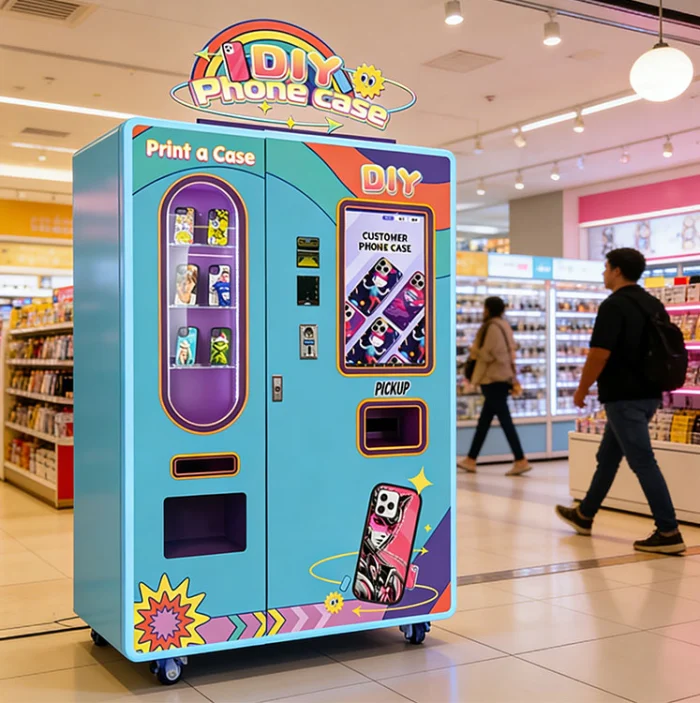
How Phone Case Vending Machines Work
The process is simple: a customer browses designs on a touchscreen, selects their phone model, uploads a photo or picks from a gallery, pays, and the machine prints the case in about 1–3 minutes. The machine uses UV printing directly onto a blank TPU+PC case, then dispenses it ready to use. No inventory of pre-made cases means zero spoilage – you only produce what’s sold.
💡 Pro Tip: Stock cases for the most popular models in your area – iPhone and Samsung Galaxy lines cover over 80% of Mexican smartphone users. Don’t forget cases for mid-range brands like Motorola and Huawei, which are common in local markets.
Why Mexico Is a Great Market
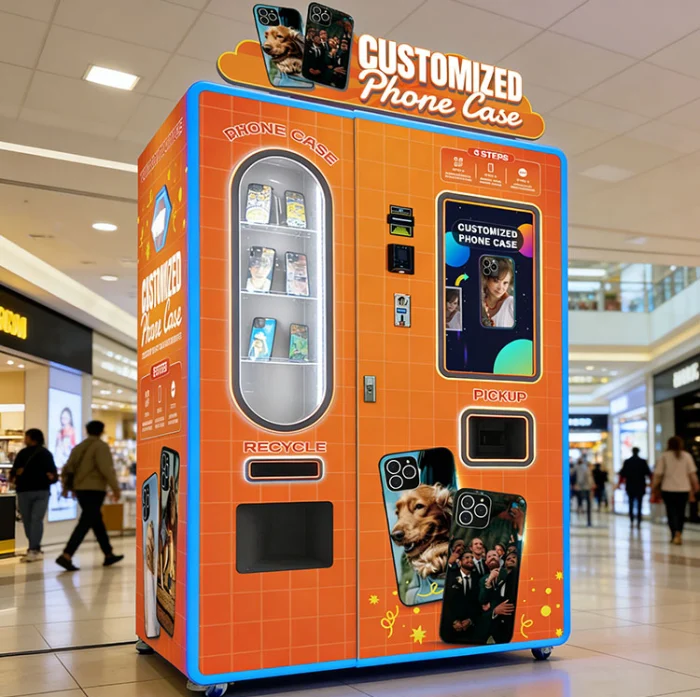
Mexico has over 100 million smartphone users, and phone cases are a near-essential accessory. But generic cases are everywhere. A custom case machine offers something different: personalization. Tourists love them as souvenirs, locals use them for gifts, and younger consumers share their designs on social media – giving you free marketing.
Key locations that work well:
- Shopping malls – high footfall, long dwell times, existing spending behavior. Aim for >10,000 visitors per day.
- Tourist attractions – beach resorts, historical sites, entertainment zones. Visitors want something memorable.
- Cinemas and entertainment centers – people arrive early and look for something to do while waiting.
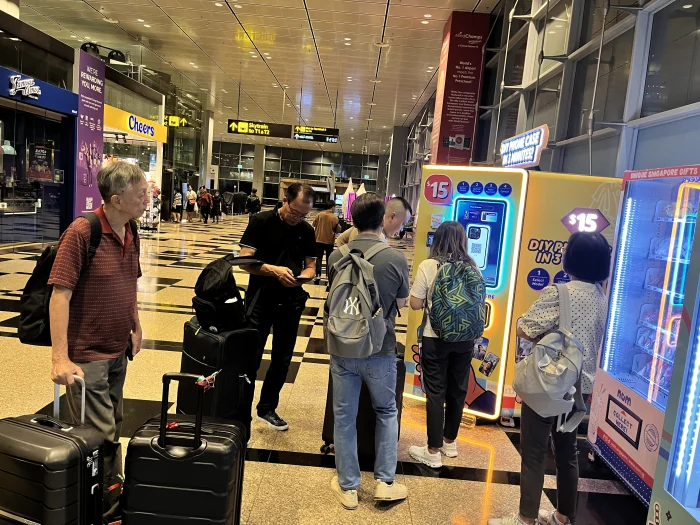
- Airports – travelers often need a case and appreciate a unique souvenir. Expect 30% higher average sale price.
📍 Location Alert: Avoid standalone street placements or low-traffic corridors. A phone case vending machine needs at least 3,000–5,000 daily passersby to hit 20–30 sales per day. Test a spot for a week before committing to a lease.
Machine Costs and ROI
The upfront investment for a quality phone case vending machine like the Wider Matrix WM880 is around US$6,299 (MSRP US$8,100). Add shipping (roughly US$1,000–$1,500 to Mexico), a payment system (~$400 for a card reader), and initial inventory (1,000 cases at $1.30 each = $1,300). Total startup: roughly $9,000–$10,000.
At an average of 30 sales per day at $15 per case, daily revenue hits $450. Subtract cost of goods ($1.35 per case, or $40.50 for 30) and other expenses (location fee ~$200/month, maintenance ~$100/month, electricity ~$50/month). Monthly profit: roughly $12,000 – $1,350 (COGS) – $350 (other) = $10,300. Payback period: under 1 month in theory. Realistically, with slower days, expect 2–3 months.
📊 ROI Reality: Those numbers assume a top-tier location. In an average mall spot, 15–20 sales/day is more realistic, extending payback to 2–4 months. Still excellent – just don’t bank on 50 sales/day from day one. Build in a 30% buffer on your financial projections.
Key Features to Look For
Not all phone case vending machines are created equal. Here’s what matters most for the Mexican market:
| Feature | Why It Matters |
|---|---|
| Print speed | Under 3 minutes keeps queues short; 1–2 minutes is ideal for high-traffic areas |
| Case capacity | 1,000+ cases means less frequent restocking – critical if your machine is far from your base |
| Print quality | 600 DPI or higher ensures vibrant, photo-realistic prints that customers love and share |
| Payment options | Must accept Mexican pesos, credit/debit cards, and contactless (e.g., NFC). Cash is still king in many areas |
| Remote monitoring | IoT connectivity lets you track inventory, sales, and machine health from your phone – saves headaches |
| Durability | Steel construction and reliable printheads (Epson industrial UV) reduce downtime |
🔧 Buyer’s Note: Check warranty terms carefully. Look for at least 1 year warranty and access to local or remote technical support. Machines with self-diagnostic systems and auto-recovery features minimize costly downtime.
Placement and Operations in Mexico
Finding the Right Spot
Start by approaching mall management or leasing agents. Many Mexican malls have dedicated retail kiosk programs. You’ll need a power outlet (110V, standard in Mexico) and about 2 square meters of floor space. Rent typically ranges from $200 to $800 per month depending on location tier. Always negotiate – especially for a first-time installation.
Refill and Maintenance
Refilling is straightforward: load blank cases (typically 50–100 at a time) and check ink levels. The WM880, for example, has an auto inventory refresh feature that tells you exactly what’s needed. Plan for a weekly visit to clean the touchscreen, wipe the exterior, and top up supplies. Ink lasts for about 2,000–2,500 cases – you’ll replace it every 2–3 months if doing 30 sales/day.
Pricing Strategy
Most operators in Mexico price custom phone cases at 250–400 MXN (about $12–$20 USD). Tourist areas can go higher (400–600 MXN). Bundle deals (buy 2 cases for a discount) and loyalty programs (free case after 5 purchases on the same phone number) can boost repeat business. Consider running a promotion during local holidays (Dia de Muertos, Christmas) with themed designs – these sell like hotcakes.
🎯 Operator Insight: One operator in Mexico City told me his machine in a mid-tier mall does 25 sales/day on weekdays and 45+ on weekends. The key: he refreshes the design gallery monthly with trending local art and seasonal themes. Customers love having something unique that no one else has.
Common Challenges and How to Avoid Them
- Machine downtime: Printhead clogs or software glitches can kill sales for days. Choose a machine with self-healing software and remote diagnostics. Always keep spare ink and a basic tool kit on hand.
- Payment issues: Not all card readers work seamlessly in Mexico. Test your payment system thoroughly. Many operators prefer a dual system (cash + card) to capture every customer.
- Case compatibility: New phone models launch frequently. Ensure your supplier provides cases for the latest releases within 2–3 weeks of launch. Wider Matrix, for example, updates its case lineup regularly.
- Regulation: Mexico doesn’t have specific vending machine regulations, but you’ll need a business license (RFC) and potentially a permit from the mall or city. Check with a local accountant to stay compliant.
Why Wider Matrix Is a Strong Choice for Mexico
Wider Matrix has shipped over 3,000 machines to 130+ countries, including many to Latin America. Their WM880 phone case vending machine is purpose-built for international operators: 600 DPI Epson UV printing, 1,000+ case capacity, 27-inch touchscreen, and IoT remote management. It supports 110V/220V, so it works out of the box in Mexico. The company offers 24/7 technical support with English and Mandarin speakers – and they can connect you with Spanish-speaking partners for on-site training. With certifications like CE, UKCA, RoHS, and KC, the machine meets international safety standards.
🌍 Market Reality: Mexico’s retail automation market is growing at 12% annually. Custom vending machines that offer personalization are outpacing traditional snack and drink machines. First-movers in good locations are locking in leases and building brand recognition before competition arrives.
Frequently Asked Questions
Is a phone case vending machine profitable in Mexico?
Absolutely. With a cost per case of about $1.35 and retail prices of $15–$20, margins exceed 85%. In a good location, you can recoup your investment in 2–4 months. Profitability depends on footfall and machine reliability, but the unit economics are among the best in vending.
How much does a phone case vending machine cost including shipping to Mexico?
A machine like the Wider Matrix WM880 costs US$6,299. Shipping to Mexico adds roughly $1,000–$1,500 depending on port and door delivery. Add $400 for a card reader and $1,300 for initial case inventory. Total startup: about $9,000–$10,000.
What types of locations work best in Mexico?
Shopping malls with high footfall (>10,000 visitors/day) are ideal. Tourist areas (Cancún, Los Cabos, Puerto Vallarta) and airports also perform well. Avoid low-traffic streets or small convenience stores – you need volume to make the numbers work.
Do I need a business license or permit in Mexico?
Yes, you’ll need an RFC (Registro Federal de Contribuyentes) for tax purposes. Mall locations may require a lease agreement and possibly a local business permit. Consult a Mexican accountant or lawyer to handle the paperwork – it’s straightforward but best done professionally.
How do I restock and maintain the machine?
Restock blank cases weekly – the machine holds over 1,000 cases, so you won’t need daily visits. Clean the touchscreen and exterior, check ink levels, and run a test print. Ink lasts for 2,000–2,500 cases. The WM880’s auto inventory tracking sends notifications when supplies run low.
What payment methods should I accept in Mexico?
Credit/debit cards (Visa, Mastercard) are widely used, but cash is still common. Many operators use a dual cash + card system. Contactless payments (NFC) are growing fast. Make sure your payment processor supports Mexican pesos and local card networks.
Can I upload my own designs or let customers use their photos?
Yes – most modern machines allow customers to upload their own photos via a QR code or Wi-Fi connection. You can also preload a gallery of designs. Offering both options maximizes appeal: some people want a photo of their family, others want a cool graphic.
What warranty and support come with a phone case vending machine?
Standard warranty is 1 year, with lifetime technical support. For the WM880, non-man-made damage parts are shipped by air at Wider Matrix’s cost. Tools and spare parts are included. 24/7 support is available via WhatsApp, email, and video guides. Printheads are consumable (1–2 year lifespan) and not covered by warranty.
“The phone case vending machine market in Mexico is still relatively untapped, especially in secondary cities. Operators who move quickly can secure prime spots in malls and tourist hubs before competition catches up. The key is choosing a reliable machine with strong local support – downtime kills revenue fast. Machines like the WM880 from Wider Matrix offer the print quality and durability needed for high-traffic locations. I advise clients to budget for a backup ink set and negotiate a short-term lease first to prove the location before signing long-term.”