Máquina de manicura robótica a la venta: guía para compradores y análisis del retorno de la inversión de 2026
Una máquina de manicura robótica suele costar entre 1 500 y 20 000 T, mientras que los modelos profesionales para salones de belleza pueden llegar a alcanzar los 60 000 T. El precio varía considerablemente dependiendo de si se trata de una impresora de nail art para uso doméstico, una máquina expendedora comercial o un auténtico sistema de brazo robótico que aplica esmalte líquido. Si estás buscando “en venta”, es probable que estés considerando una inversión importante, así que dejemos de lado el marketing y analicemos qué es lo que realmente estás comprando, cuáles son los costos reales que implica y dónde encontrar proveedores confiables.
No se trata solo de comprar un dispositivo; se trata de resolver un problema. Quizás seas el dueño de un salón de belleza que quiere ofrecer un servicio innovador, o un emprendedor interesado en obtener ingresos pasivos las 24 horas del día, los 7 días de la semana, a través de un modelo de venta automática. Las máquinas disponibles van desde sencillas impresoras UV que decoran las uñas postizas hasta complejos sistemas basados en inteligencia artificial que escanean, liman y pintan las uñas naturales. Comprender este panorama marca la diferencia entre una inversión inteligente y un costoso pisapapeles.
En primer lugar, aclaremos las cosas. El término “máquina de manicura robotizada” es un concepto amplio que abarca tres tecnologías distintas, y confundirlas te saldrá caro.
Sistemas de manicura robótica True: Se trata de máquinas de alta gama, al estilo de las que se utilizan en clínicas. Piensa en Clockwork o prototipos similares. Utilizan brazos robóticos, cámaras 3D e inteligencia artificial para realizar una manicura completa en la uña natural: limado, pulido, capa base, color y capa de acabado. Son increíbles, pero también son complejas, requieren mucho espacio y mantenimiento, y tienen un precio elevado, por lo que suelen estar dirigidas a salones con gran volumen de clientes o spas médicos.
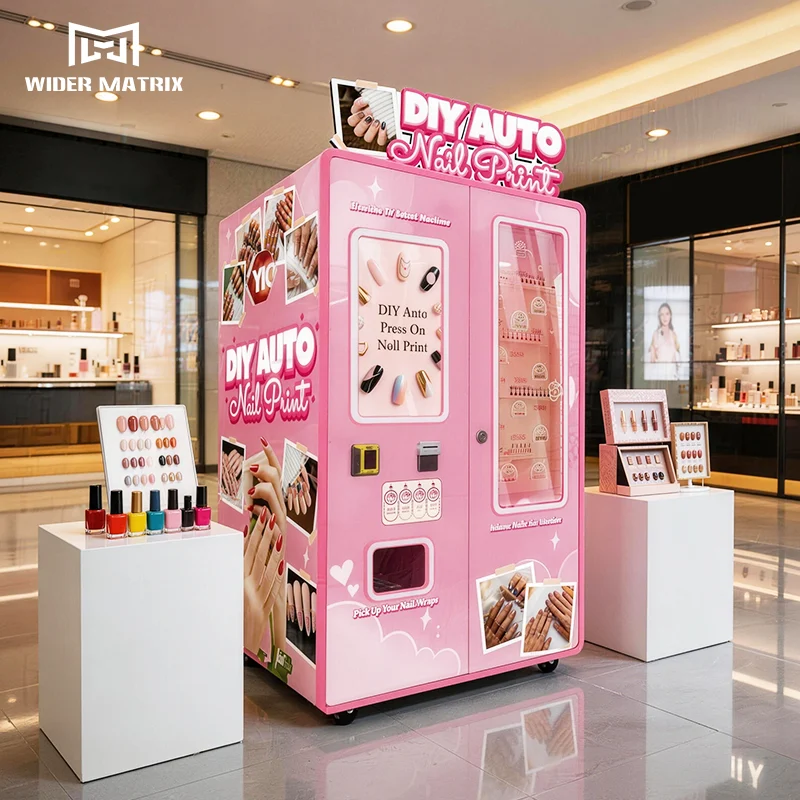
Máquinas automáticas de impresión y decoración de uñas: Aquí es donde el mercado está en pleno auge para los emprendedores. Estas máquinas, como nuestro modelo WM860 DIY, no pintan las uñas naturales. En su lugar, almacenan juegos de uñas postizas en blanco y utilizan impresión UV de grado industrial para aplicar cualquiera de los 48 diseños preinstalados o una imagen personalizada del cliente en unos 30 segundos. El cliente obtiene al instante un juego de uñas de calidad profesional listo para usar. El modelo de negocio consiste en una venta automática las 24 horas del día, los 7 días de la semana, con un margen de ganancia de 871 TP3T, y el precio de las máquinas está pensado para un rápido retorno de la inversión (piensa en 1 TP4T5,000-1 TP4T8,000).
Impresoras de uñas para el público en general: Se trata de dispositivos de escritorio más pequeños, destinados al uso doméstico. Son menos resistentes, ofrecen una calidad de impresión inferior y no están diseñados para un volumen de trabajo comercial. Aunque se puedan “comprar” por unos cientos de dólares, no constituyen una herramienta viable para los negocios.
💡 Conclusión principal: Primero, define tu objetivo. ¿Estás automatizando un servicio de salón de belleza o iniciando un negocio minorista de autoservicio? La tecnología y el presupuesto son completamente diferentes.
El desglose real de los costos: el precio de compra es solo el principio
Ver el precio de etiqueta es una cosa. Entender el costo total de propiedad (TCO) es lo que distingue a los compradores exitosos de aquellos que se arrepienten de su compra. La mayoría de los anuncios no te ofrecen una visión completa.
Analicemos los costos de un modelo comercial de máquinas expendedoras e impresión, que es la consulta más habitual:
| Categoría de costos | Rango típico | Detalles y cargos que a menudo pasan desapercibidos |
|---|---|---|
| Compra de maquinaria | $5.000 – $8.500 | Precio base. Comprueba si incluye el envío, la instalación y la formación básica. |
| Envíos y logística | $900 – $1.500 | Para América del Norte. A menudo se cotiza por separado. En el caso de pedidos al por mayor, el envío en contenedor puede reducir el costo por unidad. |
| Sistema de pago | $400 – $800 | Imprescindible para la venta automática sin supervisión. Lectores de tarjetas integrados (como Nayax) o aceptadores de billetes y monedas. |
| Inventario inicial y consumibles | $2.000 – $3.000 | Juegos de uñas en blanco, juegos de cartuchos de tinta, kits de herramientas (pegamento, limas). ¡No te quedes sin existencias! |
| Consumibles de uso continuo | ~$1.02 por venta | Juego de clavos ($0.80-$1.00) + tinta ($0.017) + kit de herramientas ($0.20). Estos son tus costos de materia prima principales. |
| Tarifas de software y servicios en la nube | $0 – $150/año | Algunos incluyen el primer año gratis. Esencial para la monitorización remota y el análisis de ventas. |
| Mantenimiento y repuestos | Variable | Los cabezales de impresión son consumibles (tienen una vida útil de 1 a 2 años). Tenga en cuenta los posibles costos de reparación. |
En el caso de un verdadero aplicador robótico de esmalte, el costo total de propiedad (TCO) es más elevado. Debe tener en cuenta en su presupuesto los cartuchos de esmalte especializados (que suelen ser exclusivos y costosos), una calibración profesional más frecuente y un seguro que podría ser más elevado debido a las piezas robóticas móviles.
💡 Consejos fundamentales para la elaboración de presupuestos: Pide siempre a los proveedores una hoja detallada con el costo total de propiedad (TCO), no solo el precio unitario. Es probable que tu capital inicial total para un modelo de máquina expendedora sea entre 1,5 y 2 veces el precio de etiqueta de la máquina.
Dónde comprar: cómo orientarse entre proveedores, mercados y señales de alerta
Entonces, ¿dónde se pueden encontrar realmente estas máquinas a la venta? La fuente influye enormemente en el riesgo, el precio y el soporte técnico a largo plazo.
Plataformas de comercio B2B (Alibaba, Made-in-China): Aquí es donde encontrarás la mayor variedad de opciones y los precios de fábrica más competitivos. Puedes contactar directamente con los fabricantes. ¿El inconveniente? Es un campo minado. Debes examinar a fondo a los proveedores. Busca “proveedores verificados” con historial de transacciones. Solicita siempre una videollamada para ver las instalaciones de la fábrica. Pide referencias de clientes de tu país. Un precio que parece demasiado bueno para ser verdad, por lo general, lo es.
Directamente de los fabricantes (OEM/ODM): Esta es la mejor opción para compradores serios o para quienes buscan personalización. Empresas como la nuestra, que se dedican a la investigación y el desarrollo desde 2016, trabajan directamente con los clientes. La ventaja es el control total sobre las especificaciones, el software, la imagen de marca y el acceso a soporte de ingeniería. No solo estás comprando un producto; estás forjando una relación de colaboración para recibir actualizaciones de software y soporte técnico.
Comercio electrónico y distribuidores (Amazon, tiendas especializadas): Aquí es posible que encuentres impresoras más pequeñas para uso doméstico. En cuanto a equipos comerciales, son poco comunes. Ten en cuenta que el servicio posventa en estas plataformas suele ser limitado o inexistente.
Señales de alerta que hay que evitar:
💡 Consejo para la selección de proveedores: Pida pruebas de sus exportaciones internacionales. Un proveedor que, como nosotros, ha enviado con éxito miles de máquinas a más de 130 países, ya ha superado los retos logísticos, aduaneros y de cumplimiento normativo a los que usted se enfrentará.
Características clave que realmente importan para tu negocio
Más allá de las palabras de moda, estas son las características técnicas que determinarán el éxito o el fracaso de tus operaciones diarias y tu rentabilidad.
Para máquinas expendedoras y de impresión:
Para True Robotic Systems:
La realidad del ROI: ¿cuánto tiempo tardarás en obtener ganancias?
Esta es la conclusión. Para una máquina expendedora de productos de decoración de uñas con un precio de alrededor de 14.580 yenes y un costo total de puesta en marcha de unos 14.110 yenes, los números hablan por sí solos.
En el caso de un sistema de salón robotizado de más de 50 000 $, el cálculo es diferente. Se apuesta por cobrar un recargo considerable por cada manicura (entre 50 y 80 $) y alcanzar un gran volumen de clientes para justificar la inversión inicial y los mayores costos operativos. El plazo para recuperar la inversión se extiende a varios meses o años.
💡 Consejo práctico final: Antes de comprar, pídele al proveedor una proyección formal del retorno de la inversión. Una empresa profesional analizará la ubicación elegida, el tráfico peatonal y el precio de venta al público para ofrecerte un modelo financiero realista, no solo un argumento de venta.
Preguntas frecuentes: respuestas a tus dudas más comunes
P1: ¿Se puede utilizar una máquina de manicura robótica en las uñas naturales?
La mayoría de las máquinas que se comercializan como “en venta” son, en realidad, impresoras de nail art para uñas postizas. Existen verdaderos sistemas robóticos que pulen las uñas naturales, pero son mucho más caros (más de 100 000 T1P4T50k) y se venden principalmente a salones de belleza comerciales, no a emprendedores individuales. Asegúrate de tener muy claro qué tecnología estás viendo.
P2: ¿Qué tan difícil es mantenerlo y rellenarlo?
En el caso de las máquinas expendedoras, la recarga de clavos en blanco y tinta está diseñada para ser sencilla y llevar solo unos minutos. El verdadero mantenimiento recae en los cabezales de impresión, que son piezas de desgaste con una vida útil de entre uno y dos años. Los brazos robóticos auténticos requieren una calibración más técnica. Pide siempre guías de mantenimiento detalladas y tutoriales en video antes de comprar.
P3: ¿Son seguros los materiales (tinta, esmalte)?
En el caso de las máquinas de impresión, se deben utilizar tintas de curado UV que sean no tóxicas e inodoras una vez curadas. Los proveedores de confianza ofrecen tintas con certificaciones de seguridad internacionales (RoHS, BRC). En cuanto a los sistemas robóticos, el esmalte suele ser una laca o un gel de calidad profesional, presentado en cartuchos patentados.
P4: ¿Cuál es la garantía habitual?
Una garantía comercial estándar es de un año para los componentes principales de la máquina (excluyendo los consumibles, como los cabezales de impresión). El soporte técnico de por vida es un claro indicio de que se trata de un proveedor confiable. Asegúrate de que los términos de la garantía especifiquen claramente qué está cubierto y cuál es el proceso para el reemplazo de piezas.
P5: ¿Puedo personalizar la máquina con mi marca?
Sí, trabajar directamente con un fabricante OEM permite una amplia personalización. Esto incluye la interfaz de usuario del software, los gráficos y colores exteriores, e incluso modificaciones de hardware para vender diferentes productos. Esta es una ventaja clave de evitar a los vendedores genéricos de los mercados online.
P6: ¿Qué tipo de ubicación es la más adecuada para una máquina expendedora de productos para las uñas?
Los lugares con mucho tránsito peatonal y público cautivo son ideales: centros comerciales, campus universitarios, aeropuertos, estaciones de tren, grandes complejos de apartamentos y locales de entretenimiento. La máquina necesita estar en un lugar visible y dirigirse a un público interesado en servicios de belleza rápidos y asequibles.
P7: ¿Cómo pagan los clientes?
Las máquinas modernas integran múltiples opciones: lectores de tarjetas de crédito y débito (a través de empresas como Nayax), aceptadores de efectivo (para billetes y monedas) y, en ocasiones, pagos mediante códigos QR o billeteras móviles. Tendrás que abrir una cuenta de comerciante para el procesamiento de tarjetas.
Opinión de los expertos
“La decisión de invertir en tecnología de belleza automatizada depende de que las capacidades de la máquina se ajusten a un modelo de negocio probado. Vemos a muchos emprendedores fascinados por el brazo robótico de alta tecnología, pero abrumados por su complejidad operativa y su lento retorno de la inversión. Por el contrario, el modelo de máquinas expendedoras automatizadas de nail art ha demostrado una rápida escalabilidad porque ofrece gratificación instantánea y altos márgenes en un espacio reducido. El factor crítico no es solo la máquina, sino la capacidad del proveedor para brindar soporte integral: desde materiales certificados y seguros y software en la nube confiable hasta un equipo de soporte global receptivo que comprenda las necesidades del mercado local. Este ecosistema de respaldo es lo que transforma una máquina novedosa en un activo duradero y rentable”.”
— Alex Chen, director de Desarrollo Comercial, Wider Matrix Technology