¿Es rentable una máquina expendedora de productos para las uñas en 2026? Datos, retorno de la inversión y riesgos
¿Es una máquina expendedora de uñas una inversión rentable en 2026, o se trata de una moda pasajera que atrapa a los emprendedores ilusionados? La respuesta corta es sí, puede ser excepcionalmente rentable, pero su éxito depende de un profundo conocimiento de un mercado único, una ejecución precisa y el aprovechamiento de la tecnología adecuada. A diferencia de los análisis genéricos sobre máquinas expendedoras, esta guía ofrece un pronóstico específico y basado en datos para el nicho de las máquinas expendedoras de uñas postizas de cara al 2026, combinando tendencias del sector, modelos financieros transparentes y conocimientos operativos del mundo real para ayudarte a tomar una decisión informada.
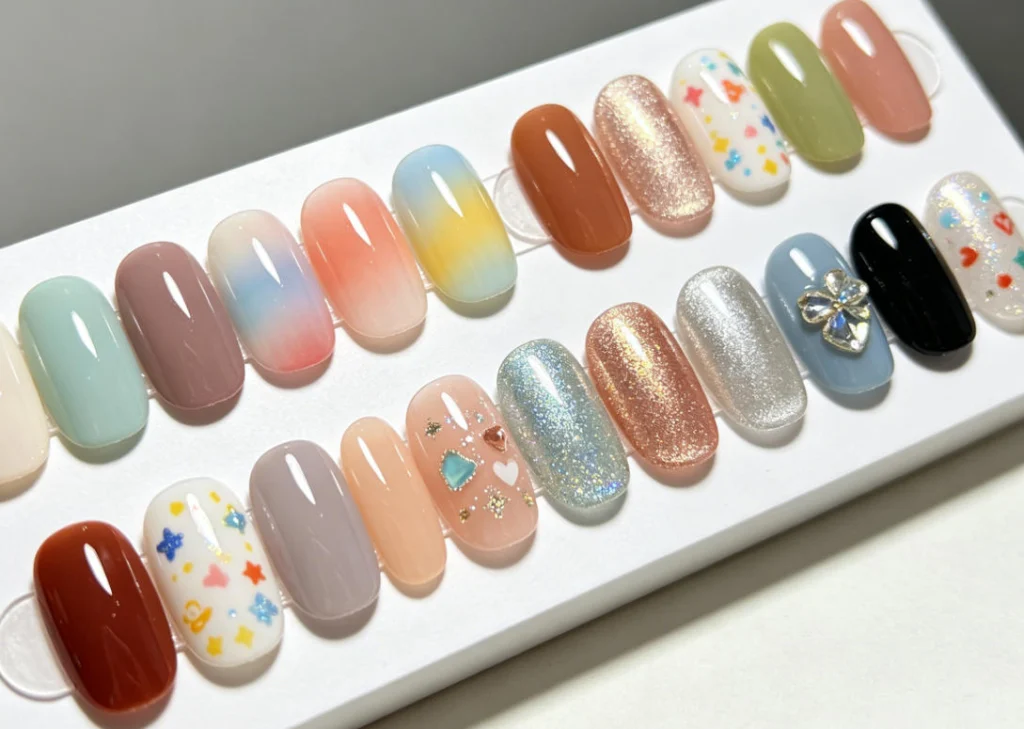
La demanda de soluciones de belleza rápidas, asequibles y personalizadas no da señales de disminuir. Para 2026, esta tendencia se verá amplificada por varios factores clave. En primer lugar, el movimiento de la “belleza rápida”, que imita a la moda rápida, prioriza la gratificación instantánea y la variedad, algo que una máquina expendedora ofrece a la perfección. En segundo lugar, las plataformas de redes sociales como TikTok e Instagram siguen impulsando la demanda de experiencias de belleza únicas y compartibles: un juego de uñas impresas a medida creado en minutos es, por naturaleza, digno de Instagram. En tercer lugar, la integración tecnológica se está convirtiendo en algo imprescindible. Los consumidores de 2026 esperarán pagos sin efectivo sin complicaciones, personalización mejorada por IA (como la prueba virtual mediante RA) y un servicio hiperconfiable. Una máquina que no pueda cumplir con estas expectativas tendrá dificultades. Esto crea una oportunidad única para los operadores que inviertan en equipos avanzados y preparados para el futuro, de proveedores experimentados con un historial de integración de dichas tecnologías.
Modelo de rentabilidad: un desglose financiero transparente para 2026
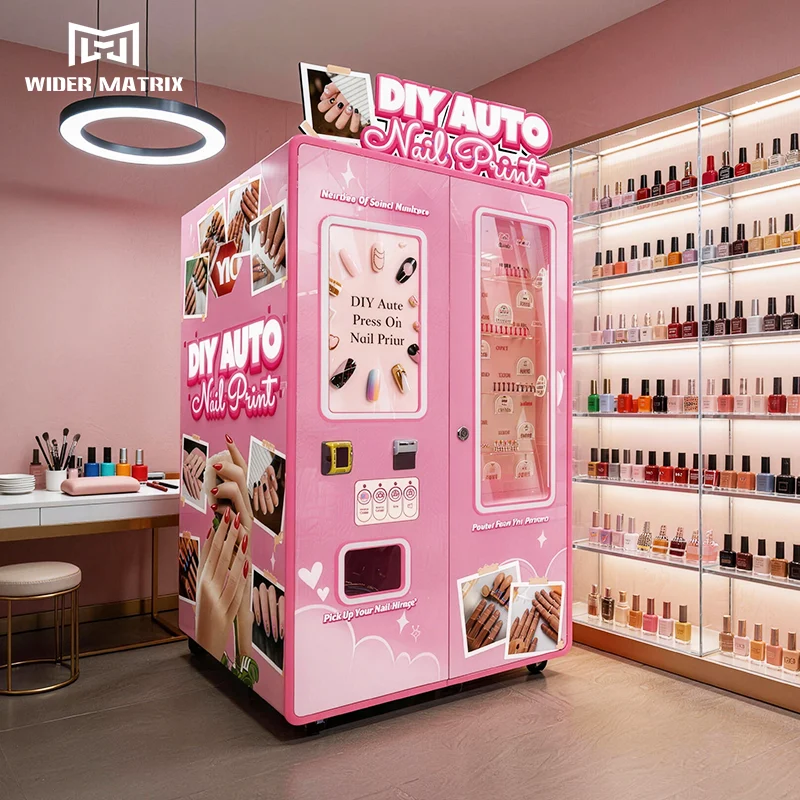
Dejemos a un lado las promesas vagas y analicemos las cifras reales. La rentabilidad se basa en un modelo de altos márgenes y bajos gastos generales. A continuación, se presenta un análisis detallado de costos e ingresos basado en datos actuales del sector, con proyecciones para unas operaciones sostenibles en 2026.
Costos de inversión y puesta en marcha (una máquina):
Costo operativo por venta:
Ingresos por venta:
Este margen excepcional es el eje central del modelo de negocio. Sin embargo, el beneficio neto debe tener en cuenta la comisión del local (que suele oscilar entre el 10 % y el 25 % de las ventas), los gastos de mantenimiento menores y la mano de obra necesaria para la reposición periódica de existencias.
Factores críticos de éxito y evaluación de riesgos para 2026

1. La fórmula de oro: ubicación, ubicación, ubicación
2. Gestión de productos y de la cadena de suministro:
La máquina solo es tan buena como su inventario. Debes gestionar una cadena de suministro de piezas en bruto para uñas, tinta y kits. Asociarse con un proveedor que cuente con una sólida red logística global, almacenes en regiones clave (como EE. UU., Canadá y el Reino Unido) y que pueda garantizar una calidad y una entrega constantes supone una importante ventaja competitiva que reduce el riesgo operativo.
3. La fiabilidad de la tecnología es imprescindible:
En 2026, el tiempo de inactividad se traducirá en pérdidas de ingresos y en un deterioro de la imagen de marca. Los factores clave que marcarán la diferencia serán:
Errores comunes: Subestimar la negociación de la ubicación, elegir equipos de baja calidad con altas tasas de averías, una gestión deficiente del inventario que provoque roturas de stock y descuidar el marketing local para el emplazamiento específico de la máquina.
Un escenario realista del retorno de la inversión para 2026
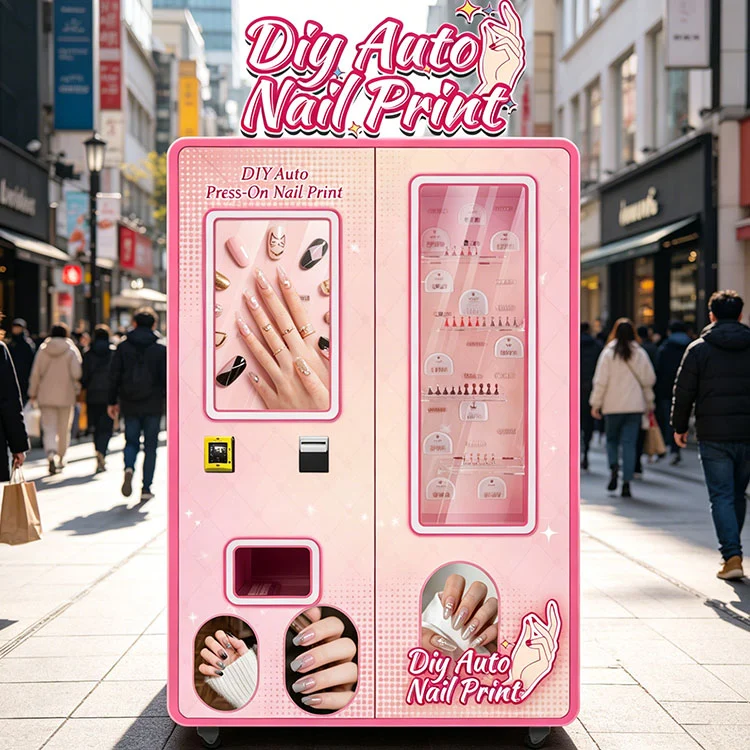
Imaginemos una máquina bien situada en un buen centro comercial.
Rentabilidad de la inversión (ROI): Con un costo inicial total de aproximadamente 10 800 TP4T1, la máquina podría amortizarse en unos 6-8 semanas. A partir de ahí, genera ingresos en gran medida pasivos, ya que solo requiere reponer existencias y una gestión mínima. Esto concuerda con los datos de los operadores que utilizan equipos profesionales, según los cuales se pueden alcanzar períodos de retorno de la inversión de entre 12 y 31 días en ubicaciones privilegiadas.
Introducción: Tu plan de acción para 2026
El futuro de las máquinas expendedoras de productos para las uñas (más allá de 2026)
La evolución se centrará en una mayor personalización e integración. Podemos esperar que las máquinas ofrezcan sugerencias de diseños de uñas basadas en inteligencia artificial y en las tendencias actuales, se integren de manera más fluida con el software de los salones de belleza para añadir servicios adicionales a las citas y, posiblemente, se expandan a micromercados adyacentes, como las pestañas postizas personalizadas o las mini muestras de productos para el cuidado de la piel, todo ello desde la misma plataforma de hardware.
Preguntas frecuentes: Rentabilidad de las máquinas expendedoras de productos para las uñas en 2026
P: ¿Cuánto dinero puedo ganar realmente con una máquina expendedora de productos para las uñas?
R: Según nuestro modelo financiero, una sola máquina en una buena ubicación puede generar Entre 1.000 y más de 8.000 $ en beneficios netos mensuales una vez superado el periodo inicial de amortización, en función del volumen de ventas y de los porcentajes de comisión.
P: ¿Cuál es el mayor riesgo?
R: Mala elección de ubicación es la principal causa de fracaso. La segunda es un equipo poco fiable que requiere reparaciones constantes, aleja a los clientes y genera altos costos de mantenimiento.
P: ¿Seguirán siendo una buena idea las máquinas expendedoras de uñas en 2026, con el aumento de la competencia?
R: Sí, porque el mercado está creciendo y la competencia acabará con los operadores que tengan ubicaciones poco favorables y tecnología de baja calidad. Invertir en una máquina de alta calidad y con numerosas funciones de un proveedor consolidado te proporciona una ventaja competitiva duradera.
P: ¿Cómo gestiono la reposición de existencias?
R: La reposición suele llevar entre 30 y 60 minutos a la semana, dependiendo de las ventas. Las máquinas con gran capacidad de almacenamiento (por ejemplo, más de 720 juegos) reducen la frecuencia. Los operadores eficientes suelen encargarse ellos mismos de esta tarea o contratan a un asistente a tiempo parcial para varias máquinas.
P: Me interesa comprar equipo de calidad profesional. ¿Dónde puedo buscarlo?
R: Céntrese en fabricantes con experiencia demostrable en el sector, redes de soporte global sólidas y datos transparentes sobre el retorno de la inversión. Busque empresas que ofrezcan soluciones integrales, no solo hardware. Por ejemplo, en Wider Matrix, gracias a nuestra trayectoria en automatización desde 2016 y a nuestro enfoque en software y hardware personalizados, ofrecemos a los clientes una planificación completa de la implementación y un análisis del retorno de la inversión, lo que garantiza que su inversión se asiente sobre una base operativa sólida desde el primer día.